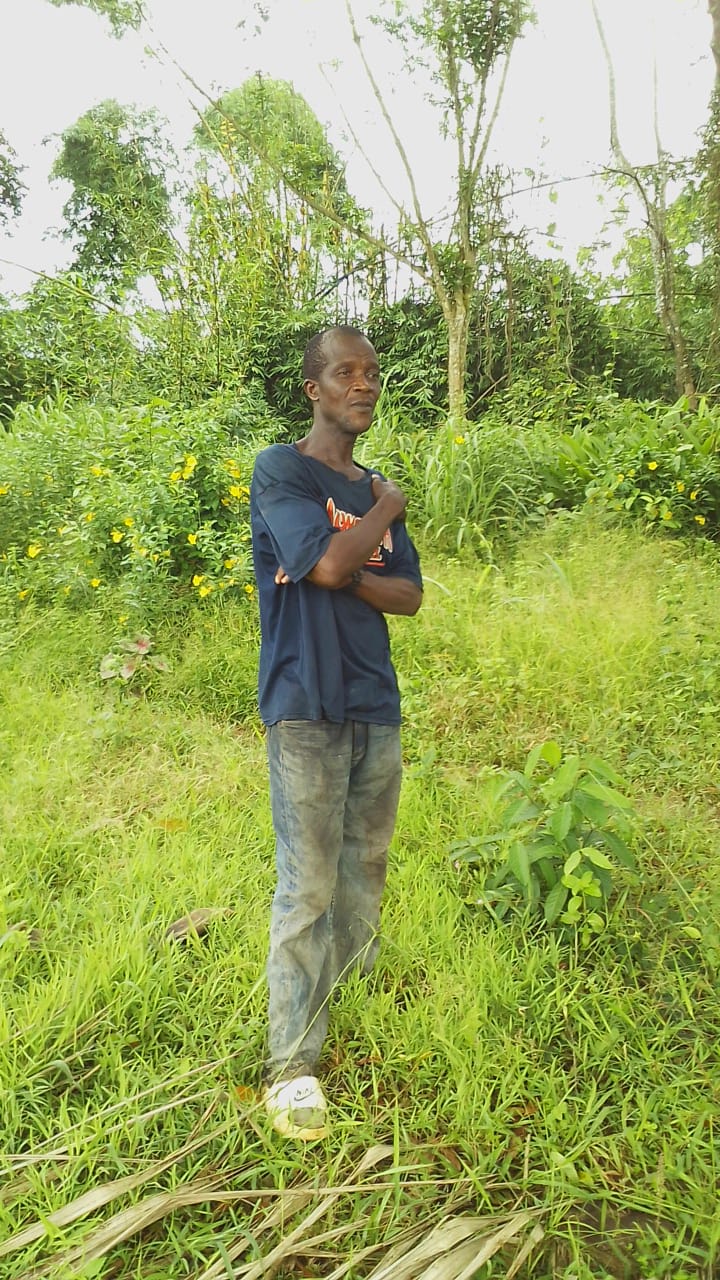
By Kruah Thompson
MONROVIA, August 17, 2026 — The Liberia Massacre Association says it has identified and documented 90 previously unrecorded massacre sites across seven counties.
The discovery raises fresh questions about the full scale of atrocities committed during Liberia’s years of civil conflict.
The sites, which the group says were documented using GPS coordinates, are in Lofa, Bong, Gbarpolu, Bomi, Grand Bassa, Grand Cape Mount and River Cess counties.
The findings are separate from the 203 massacre sites documented by Liberia’s Truth and Reconciliation Commission (TRC) in its final report covering atrocities associated with the country’s period of conflict from 1979 to 2003.
Peterson Sonyah, head of the Liberia Massacre Association, told this newspaper in a telephone interview that the discoveries were made during the group’s annual county assessments aimed at identifying war victims and massacre sites that were not captured by the TRC.
According to Sonyah, the organization conducted stakeholder engagements and town hall meetings during visits to communities, where residents recounted alleged massacres and directed researchers to the locations.
“As the village people started coming up with those stories, we visited the sites and documented 90 of them,” Sonyah said.
He said the group recorded GPS coordinates of the locations as part of efforts to preserve information about the sites for possible future investigation.
Sonyah argued that the TRC report should not necessarily be regarded as an exhaustive record of massacre sites because the Commission faced time and logistical constraints that prevented it from reaching every town and village affected by the conflict.
According to him, the latest documentation could become relevant to future investigations and prosecutions if Liberia’s proposed War and Economic Crimes Court is established.
The association said it is prepared to make its records and other information gathered during the assessments available to the court and relevant authorities.
Sonyah also disclosed that the findings have been presented to the government, with the association recommending that authorities and international partners support the construction of monuments at identified massacre sites.
He said memorials could provide places of remembrance for families and communities whose relatives were killed during the conflict.
The latest findings come as Liberia continues efforts to establish a War and Economic Crimes Court more than two decades after the end of the country’s civil war.
In May 2026, President Joseph Nyuma Boakai directed the Office for the Establishment of the War and Economic Crimes Court to work with the Legislature to advance draft legislation needed for the court’s establishment. The directive followed delays since the President issued an executive order in May 2024 establishing the Office.
As lawmakers consider legislation for the proposed court, the reported discovery of additional massacre sites could add to questions about the extent of wartime atrocities that were never fully documented.
The TRC recorded 203 massacre sites in its final report. Subsequent efforts to document and verify massacre locations have produced different figures.
A 2019 study conducted by the Independent National Commission on Human Rights identified 207 massacre sites, including locations that were not contained in the TRC’s original listing.
Further examination of available data by the Ducor Institute subsequently put the number at 226. That figure, however, was considered subject to revision because the INCHR exercise was a pilot study covering only four of Liberia’s 15 counties.
The database developed through those efforts also contained information on 13 community memorialization projects and identified four counties as having particularly high concentrations of massacre sites.
The documentation was intended to help identify massacre locations, support memorialization initiatives and determine areas where wartime violence was particularly intense.
Sonyah said the 90 sites identified by his organization should similarly be independently verified, adding that additional undocumented locations could still exist in communities that have not been surveyed.
“Just imagine, in the seven counties we got 90,” he said, suggesting that further assessments could uncover significantly more sites.
The association is calling for continued support to expand the documentation exercise to other parts of the country.
Sonyah said the group believes preserving evidence and identifying locations where alleged atrocities occurred will be important to Liberia’s transitional justice process, particularly as victims await the establishment of the proposed court.
For survivors and families of those killed during the conflict, the documentation could also provide a record of atrocities that communities say have remained largely absent from Liberia’s official account of the war.
See more Liberia News Network stories in Google Search by adding LNN as one of your Preferred Sources.
★ Add LNN as a Preferred Source