
By Lincoln G. Peters
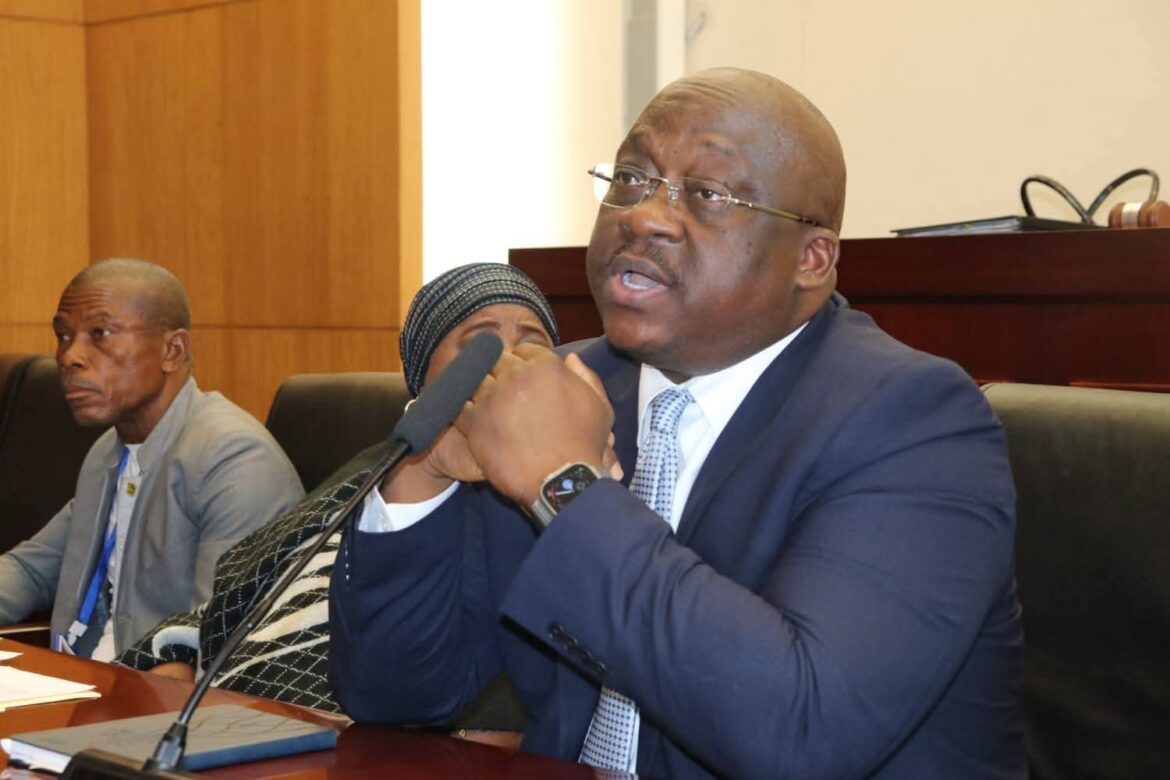
Monrovia, March 18, 2026 — Liberia Electricity Corporation (LEC) Managing Director Mohammed M. Kamara has attributed the country’s persistent power outages to outstanding legacy debts to Guinea and Ivory Coast, low domestic generation capacity, and technical problems affecting external suppliers.
Appearing before the Liberian Senate on Tuesday, Mr. Kamara explained that Ivory Coast, which previously supplied Liberia with about 50 megawatts, reduced exports after experiencing hydroelectric challenges and prioritizing domestic needs.
As a result, Liberia’s supply from Ivory Coast dropped to between 10 and 15 megawatts. Guinea currently supplies about 30 megawatts, while Ivory Coast provides around 40 megawatts, though both were affected by unpaid debts.
Mr. Kamara disclosed that the government has paid US$20 million toward outstanding debts to both countries, which had influenced the reduction in power imports.
He noted that LEC’s situation worsened as the utility connected over 63,000 new customers, increasing demand and leading to widespread load shedding.
He further revealed that peak demand has risen from 94 megawatts when he assumed office to about 140 megawatts, a 50 percent increase.
However, domestic generation remains insufficient. Mount Coffee Hydropower Plant has an installed capacity of 88 megawatts, but only about 57 megawatts are currently available, while thermal plants provide just 12–16 megawatts out of an installed 38 megawatts.
With total available generation below 100 megawatts, Mr. Kamara said Liberia faces a supply gap of over 60 megawatts, making imports from Guinea and Ivory Coast essential.
He added that efforts are underway to rehabilitate thermal plants and optimize hydro operations, which helped stabilize electricity supply between June and December.
Mr. Kamara emphasized that building sustainable domestic generation will take 12 to 18 months, but LEC continues working with independent power producers and regional partners to reduce outages and strengthen the power sector.
