
MONROVIA — A coalition of human rights defenders has intensified pressure on the Liberian Senate to pass the stalled draft public health law, cautioning that misinformation surrounding the law is costing the lives of women and girls across the country.
Passed in the House of Representatives in 2022, much of the bill has been silent in the Senate, where it is facing a barrage of opposition from abortion opponents. A provision in the bill, which contains a range of other public health elements, would make abortion legal up to 18 weeks of pregnancy as long as a doctor does it. The original version of the bill made it 24 weeks, but lawmakers revised it to 18.
Advocates believed the misconception about the bill has caused many senators to lose interest or even bring it to the Senate for discussion.
“Some have stigmatized the bill as an abortion bill,” said Titus B. Pakalah, Executive Director, Sexual and Reproductive Health Rights (SRHR) Champion, one of the groups advocating for the passage of this law.
Pakalah says part of their advocacy is to ensure that they are aware of this misinformation that has cast a dark cloud over the bill’s passage and get everyone involved. “So we can collectively advocate for its safe passage,” he said.
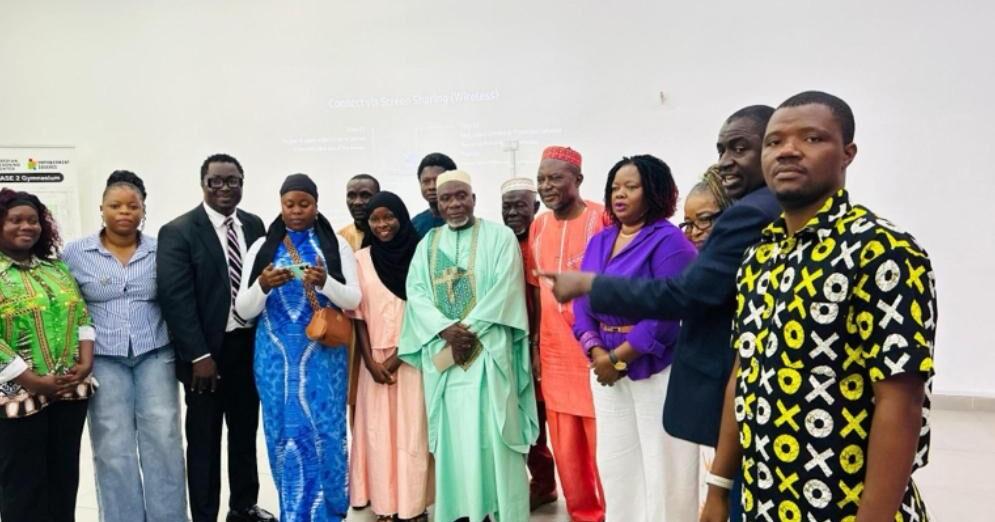
During a one-day interactive dialogue bringing together sexual and reproductive health rights (SRHR) advocates, youth champions, and prominent religious leaders, Pakalah urged stakeholders to look past the “stigmatization” of the bill and recognize it as a critical framework for national healthcare, including wide-ranging health issues—including access to safe drinking water—and is far from being a singular “abortion bill.
Unsafe abortions are a major contributor to Liberia’s “very high rate of maternal mortality,” according to a 2020 report by the World Health Organization. It was one of just eight African countries that ranked that high. Experts say this impact is highly felt among poor women who do not have the means to get advanced care
The penal code says women who abort illegally can be jailed for three years. But wealthier and more educated women take advantage of “medical guidelines,” which allow terminations in the interests of a woman’s physical or mental health but require the signatures of multiple doctors.
The issue of legalizing abortion in Liberia is a contentious one that elicits strong opinions from different segments of society.
Some individuals and groups, including many human rights organizations, advocate for the legalization of abortion, arguing that forcing women to continue with unwanted pregnancies puts them at risk of physical harm, psychological trauma, and economic disadvantage.
Abortion rights supporters also note that the country’s harsh abortion law has never reduced the number of abortions but rather drives them underground, where women are subjected to unsafe and unsanitary conditions, often leading to injury or death.
Two years ago, the Ministry of Health worked with health law experts in the U.S. and U.K. to release a country-first survey, which was released in April by the ministry, in partnership with the Clinton Health Access Initiative and others, and found unsafe abortions caused shocking outcomes for young women and the health system.
The study found that more than half of pregnancies in Liberia in 2021 were unintended. Thirty-five percent—or more than 38,000—ended in abortion. Alarmingly, more than six in every ten women who had an abortion had moderate to severe complications. One in ten abortions resulted in death or “near misses.” Activists say the number is likely far higher because stigma means few women admit to undertaking abortions.
The dialogue turned emotional as participants shared personal tragedies linked to Liberia’s maternal mortality crisis. Miatta Gray of the organization Sister Hands made an impassioned plea to the religious leaders in attendance, sharing that she had lost her niece to childbirth complications just the week prior.
“The bill is so important to all of us. By the time [the critics] heard the abortion part, they said they were not interested,” Gray lamented. “This bill is not an abortion bill, no. We are talking about health. People’s lives. All of us need to join forces together to push this particular bill to save somebody’s life. People are dying.”
Hawa Wilson, Executive Director of the Paramount Young Women Initiative, who works mostly in the community, pointed out the stark double standards surrounding the abortion debate in Liberia, noting that wealthy, influential figures often bypass the very restrictions they publicly support.
“Those sitting at the higher rank will go against those laws, but at the end of the day, when their girlfriends or daughters are in those situations and conditions, they use their influence and network to get it done,” Hawa said, adding that community-level women and youth are left to bear the brunt of unsafe, back-alley procedures.
Religious leaders present at the meeting acknowledged the severe information gap and the political fear gripping the legislature.
Rev. Melvin Kennedy noted that many lawmakers are prioritizing political survival over public health, paralyzed by pressure from traditional leaders.
“There are traditionalists who are totally against it simply because of that abortion [clause],” Rev. Kennedy explained. “There are some senators who will clearly tell you, ‘My chiefs, the zoes, and traditionalists in the county are totally against this.’ So it’s more political now maintaining my seat rather than passing a law against my people. Senators are afraid.”
Kennedy called for an aggressive public education campaign led by the Ministries of Health and Education to shift minds at the grassroots level.
Reverend Sanjee Stepter, Vice President of the Liberia Council of Churches and Moderator of the Presbyterian Church of Liberia, agreed that education must be the primary weapon against the current gridlock. “Protect my children,” Rev. Stepter urged. “What we need to do is to advocate for the ministry to start sending people back into the schools to educate our students.”
Beyond working with religious leaders, Liberian advocates and activists are deploying innovative strategies to combat rape and gender-based violence (GBV). Central to these efforts is the newly launched National Youth GBV Taskforce—a platform that unites young people skilled in GBV awareness to serve as educators, advocates, and change agents across the country.
“This task force does not duplicate existing efforts; it enhances and supports the important work already happening across the country,” said Atty. Laura Marvelous Golakeh, deputy minister for Gender, Ministry of Gender, Children, and Social Protection.
As the forum concluded, human rights groups and religious allies vowed to continue their joint awareness campaigns, calling on the Liberian Senate to look beyond political fears, debunk the myths, and pass the bill to prevent further preventable deaths among Liberian women.
