
By Kruah Thompson
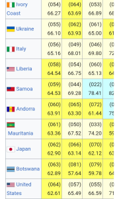
MONROVIA, July 7, 2026: Liberia has been rated as having a “problematic” press freedom environment after scoring 64.54 in the 2026 World Press Freedom Index.
The latest ranking places Liberia 58th out of 180 countries, down four places from 54th in 2025, amid continuing concerns over threats, intimidation and attacks against journalists and media institutions.
Published annually by Reporters Without Borders (RSF), the World Press Freedom Index assesses the level of freedom available to journalists, news organizations and online media, as well as the extent to which authorities respect and protect press freedom.
Under the Index’s classification system, countries scoring between 55 and 70 are considered to have a “problematic” press freedom environment.
Liberia’s performance had generally improved over the past several years before declining in the latest assessment.
The country ranked 98th with a score of 62.77 in 2021, improved to 75th with 64.34 in 2022 and climbed to 66th with 65.13 in 2023.
Liberia further rose to 60th in 2024 with a score of 66.75 and reached 54th in 2025 with a score of 66.61 before slipping four places to 58th with 64.54 in the 2026 Index.
The figures show that Liberia made significant progress from 98th place in 2021 to 54th in 2025 before recording a decline in the latest ranking.
Despite the setback, the country remains considerably higher in the global ranking than it was five years ago.
Globally, Norway topped the 2026 World Press Freedom Index with a score of 92.72, maintaining its position among countries classified as having a “good” press freedom environment.
Liberia’s latest rating comes against the backdrop of years of reported attacks, intimidation, detention and alleged retaliation against journalists.
In December 2020, FrontPage Africa journalist Obediah Johnson was attacked while covering the midterm senatorial elections after reportedly filming the alleged transportation of voters.
During the same period, radio talk show host T-Max Jlateh and several other journalists reportedly received death threats, while Parrot News Associate Editor Julius Jaesan fled Liberia after receiving what were described as credible threats to his life.
In January 2021, investigative journalist Bettie K. Johnson Mbayo was allegedly assaulted by then Representative Marvin Cole and his associates following a dispute outside the lawmaker’s residence.
On July 5, 2021, a court sentenced Mbayo to one month in prison on a disorderly conduct charge stemming from the incident, a decision criticized by press freedom advocates as judicial harassment.
On June 28, 2021, New Republic reporter R. Joyclyn Wea was reportedly confronted and threatened by then Presidential Protocol Chief Cleopatra Cummings while covering proceedings at a Monrovia court.
A day later, journalists Emmanuel Kollie of the Liberia Broadcasting System and Amos Korzawu of Fortune TV were reportedly assaulted by security officers while covering election-related violence in Lofa County.
On October 18, 2022, about 100 armed individuals attacked the headquarters of the New Dawn newspaper in Monrovia, injuring two employees and damaging equipment. The incident prompted renewed calls for authorities to investigate the attack and prosecute those responsible.
More recently, four journalists were detained by traditional authorities in Margibi County on April 5, 2026, while carrying out their professional duties.
The journalists—Elvis Gono, Augustine Freeman, Francis M. Williams and Abraham Zayzay—were released by April 14 following interventions by the Press Union of Liberia and other stakeholders.
Other recent cases include the alleged assault of journalist Moses David Tennie and the reported beating of journalist Saah Augustine Mbayoh Jr. by supporters of Representative Bernard Blue during a district sitting at the Conference Center in Virginia, District #17, Montserrado County, in May 2026.
Beyond physical attacks and detention, concerns are also growing across Liberia’s media landscape that some journalists are increasingly being treated as adversaries rather than partners in promoting transparency and accountability.
Some public relations officers reportedly exclude journalists from official communication channels, omit them from invitations to government events or deny them access to public activities because they are perceived as being overly critical.
Media stakeholders, including the Press Union of Liberia, have continued to call for stronger legal protections, improved safety for journalists and an end to intimidation and other practices that could undermine media freedom and the public’s right to information.
