
By James T. Brooks
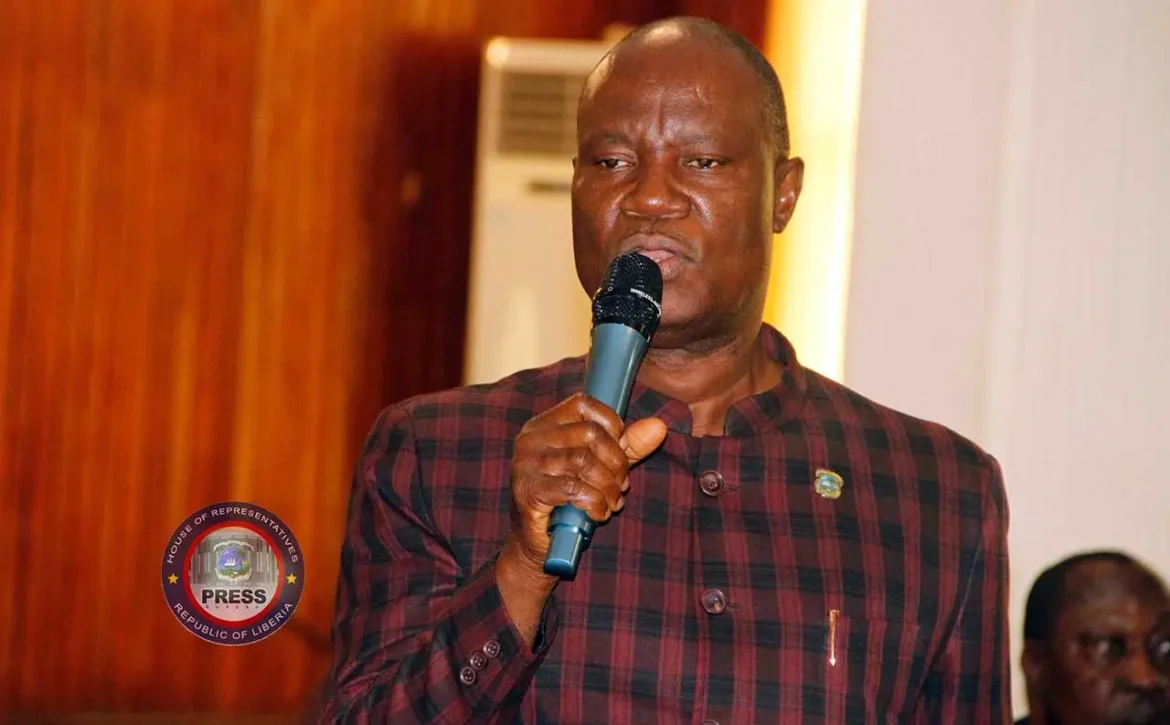
Growing skepticism surrounds the ongoing investigation into a massive $19 million cocaine bust at Roberts International Airport (RIA), prompting Senator Samuel Kogar to demand the immediate release of call logs for all suspects and persons of interest to expose the true extent of the trafficking network. As the Vice Chair of the Senate Committee on National Defense, Intelligence, Security and Veteran Affairs, the Nimba County lawmaker sounded the alarm over critical, unanswered questions regarding how national security agencies are managing the case, warning that a lack of transparency has fueled widespread public doubt.
The Nimba County Senator made the assertions in a communication addressed to the Plenary of the Liberian Senate on Tuesday, July 7, where he questioned the manner in which the investigation moved from the Liberia Drug Enforcement Agency (LDEA), which has the statutory responsibility for drug-related investigations, to the Liberia National Police (LNP). Senator Kogar stated that he wanted to draw the Plenary’s attention to the way the handling of the 19 million drugs issue is going, noting that it seems something is still hidden. He argued that the cocaine investigation should have first received the attention of the National Security Council before being elevated as a national security matter. The issue of the 19 million drugs investigation is the primary function of the LDEA, and Kogar added that if for any reason this investigation is elevated as a National Security threat, it should claim the National Security Council’s attention before it can be elevated.
Senator Kogar questioned why the investigation was transferred from the LDEA to the Liberia National Police, insisting that the government must provide clarity on the authority behind the decision. He maintained that if the case was considered a national security issue, the National Security Council should have convened and appointed a specialized committee to oversee the investigation. Senator Kogar said the questions of how the investigations left the Liberia Drug Enforcement Agency to the Liberia National Police remain unanswered, and it is also important for the body to be informed as to which international security entity is helping with the investigations. The Senator further argued that President Joseph Nyuma Boakai, as Commander-In-Chief and head of the National Security Council, should inform the Senate whether he personally authorized or presided over the establishment of the current investigative arrangement.
Senator Kogar referenced the investigation into the burning of the Capitol Building, noting that national security institutions worked together and made arrests within a relatively short period. He questioned why a similar level of clarity and urgency has not been demonstrated in the cocaine investigation. A major concern raised by Senator Kogar was the absence of communication records involving suspects and persons of interest connected to the cocaine seizure. He argued that obtaining call logs could provide critical information about the network behind the shipment and help investigators determine the level of involvement of individuals linked to the case. Senator Kogar said the Senate Committee on Defense, Intelligence, Security and Veteran Affairs should formally request call logs from the investigative team. He maintained that communication records could help establish relationships, timelines, and possible coordination among individuals allegedly connected to the cocaine shipment. According to him, the failure to provide such information has contributed to growing public suspicion about the direction of the investigation.
The concerns come after authorities charged five individuals in connection with the cocaine seizure, including Michael U.S. Browne, also known as Rahim or Raheem Bah; Paul J. King, General Manager of Global Logistics Services; Oscar Browne; Emmanuel Kpah; and Usman Ali, described as the alleged UK-based consignee. Of the five suspects, only Paul J. King is currently in custody. The others have reportedly been charged in absentia after allegedly leaving Liberia or remaining outside the country. Senator Kogar questioned why several individuals linked to the case were not arrested during the early stages of the investigation. He warned that failure to gather sufficient evidence could weaken the prosecution’s case, stating that because those who were associated with the drug names were not called and their whereabouts remain unknown, there is a possibility that the man currently in jail can be freed for lack of evidence. He stressed that authorities must ensure all relevant information is collected to protect Liberia’s national interest.
Senator Kogar also demanded a full report regarding the release of Michael Browne, the Security Director for Intelligence at Roberts International Airport. His concerns followed comments from Liberia National Police Inspector General Gregory Coleman that Browne was signed for and released from detention. Senator Kogar said the Senate must request official documents from the Judiciary or the Ministry of Justice showing the legal basis for Browne’s release. He also called for Browne’s lawyer to appear before the Senate with documentation explaining how his client was released. The Nimba County lawmaker warned that the manner in which the cocaine investigation is being handled could have serious security implications for Liberia. He said continued uncertainty surrounding the case risks damaging Liberia’s international reputation and creating the perception that the country could become associated with organized drug trafficking. Senator Kogar urged lawmakers to demand a comprehensive investigation that identifies everyone connected to the alleged criminal network. He emphasized that they should investigate properly to know how the drug case was transferred to the police, and that the leadership needs to reach out to the President as to who was officially appointed on the specialized committee at the National Security Council level.
Meanwhile, concerns over the cocaine investigation have sparked debate within the Senate, with lawmakers demanding accountability from government institutions. Bomi County Senator Edwin Snowe filed a motion for a short debate on the concerns raised by Senator Kogar. Although the motion received support from several senators, Senate Pro Tempore Nyonblee Karnga-Lawrence halted the debate and moved the chamber to the next item on the agenda, stating that she would seize the matter before using her gavel. She, however, encouraged the Judiciary Committee to examine issues surrounding Michael Browne’s release. The decision to stop the debate has generated additional discussions among lawmakers and observers, with some questioning whether the Senate’s oversight role is being undermined. Since the cocaine seizure at RIA, lawmakers including Senators Amara Konneh and Edwin Snowe have continued pressing for transparency and accountability. Senator Prince Kermue Moye, a ranking member of the governing Unity Party, has also criticized government officials who attack lawmakers for demanding answers about the drug investigation. Senator Moye argued that the Unity Party campaigned heavily on combating drugs, including Kush, and that public officials should support efforts to address the issue rather than criticize lawmakers performing their constitutional duties. He warned government officials against sugar-coating the circumstances surrounding the cocaine case and urged authorities to focus on ensuring that those responsible are held accountable.
