
By Lewis S. Teh
MONROVIA, July 20, 2026 – Sixty-four magistrates graduated from the James A. A. Pierre Judicial Institute at the Temple of Justice, as part of ongoing government efforts to strengthen the rule of law and improve investor confidence in Liberia.
The new magistrates, representing all 15 counties, completed the Professional Magistrate Training Program, a government initiative aimed at strengthening lower courts and expanding access to justice nationwide.
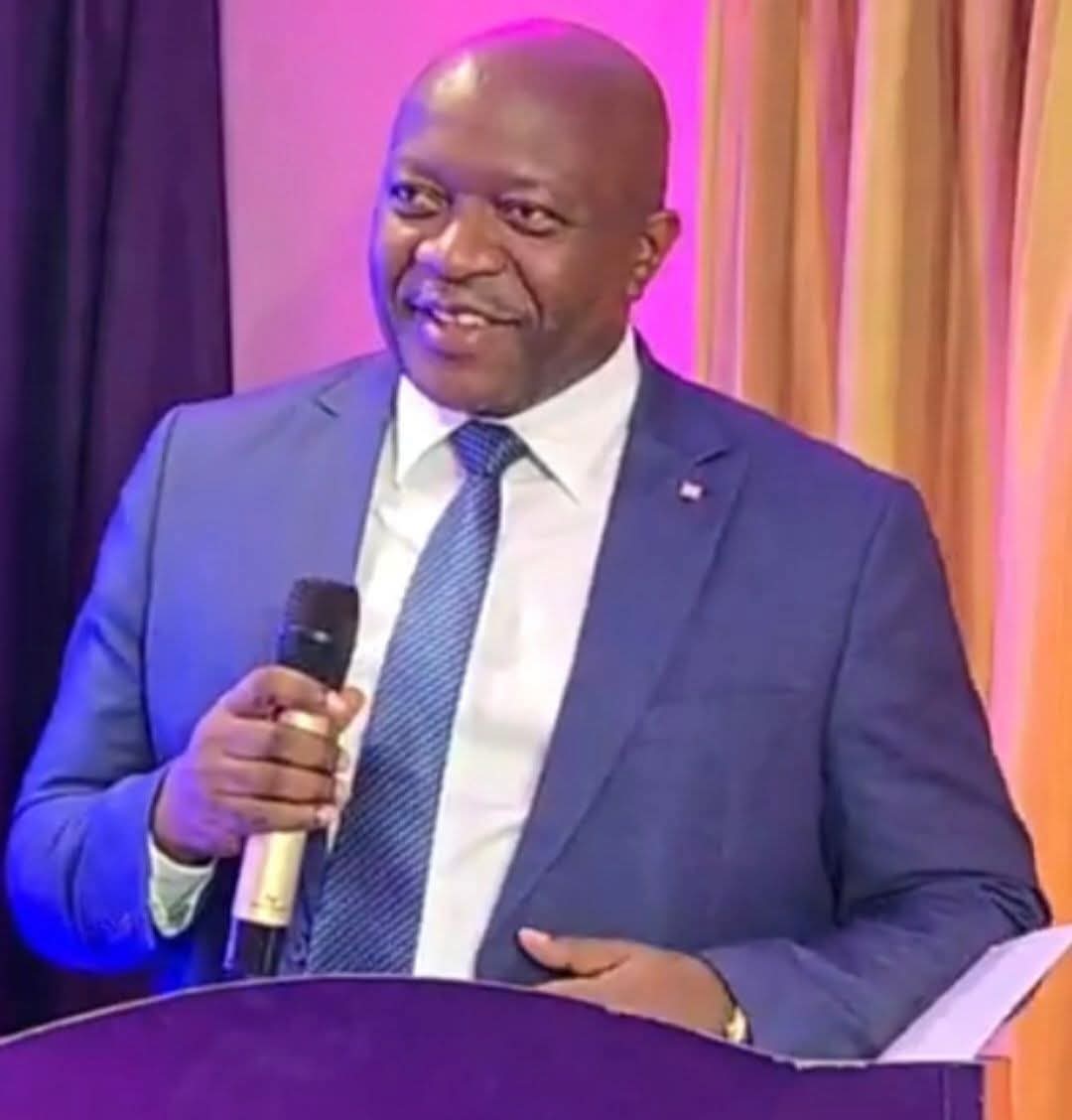
Delivering the keynote address, Finance and Development Planning Minister Augustine Kpehe
described the event as “historic” and reaffirmed President Joseph Nyuma Boakai’s commitment to rebuilding Liberia on the foundation of the rule of law.
Ngafuan emphasized the importance of a robust judiciary, stating that economic growth and investor confidence depend on the rule of law, property rights, and timely justice.
He noted that a credible judiciary is essential for economic growth, private sector investment, and sustainable development. International institutions report that countries with stronger judicial systems attract higher foreign direct investment and foster better business competitiveness.
Ngafuan also highlighted Liberia’s increasing financial commitment to judicial reform, noting a shift from international to domestic funding for key initiatives.
The Professional Magistrate Training Program, which has operated for 16 years, previously relied heavily on support from international partners such as Germany, GIZ, Sweden through UNDP, and USAID.
Currently, more than 90 percent of the program is funded through the Government of Liberia’s judiciary budget.
Government funding for the judiciary has increased from US$18.5 million in 2023 to US$33.3 million in the 2026 national budget, representing an 80 percent rise over three years.
The increased funding will support construction and rehabilitation of courts nationwide, improvements in court operations, digitization of records, enhanced logistics for judicial officers, and expanded access to justice in rural communities.
Ngafuan announced salary adjustments for judicial personnel, restoring remuneration for Supreme Court justices and subordinate court judges to pre-harmonization levels, and providing increases for magistrates and other judicial workers.
The new magistrates will serve in magisterial courts across the country, with priority given to underserved counties where judicial personnel are limited.
Ngafuan urged the graduates to uphold integrity and resist external pressures, reminding them that their authority belongs to the Republic of Liberia.
He also encouraged the new magistrates to respect the Constitution, listen carefully, analyze evidence, and exercise impartiality in their duties.
Ngafuan commended the Chief Justice and the Judiciary for developing a strategic plan to build a fair, independent, and accountable judicial system. He said the Ministry of Finance would continue supporting efforts to reduce case backlogs, modernize operations, and increase public trust.
He noted that while progress has been made during President Boakai’s administration, more work remains to further strengthen the judiciary.
Government officials say that strengthening judicial independence is key to protecting constitutional democracy, fostering economic growth, improving investor confidence, and consolidating peace nearly two decades after Liberia’s civil conflict.
