
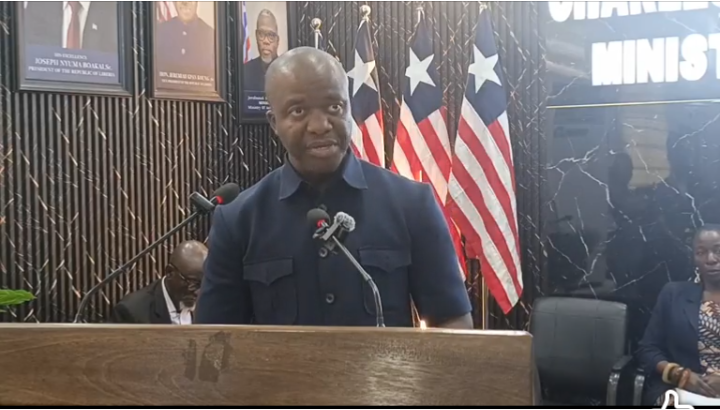
MONROVIA, July 21, 2026 — Claims by Liberia Telecommunications Authority (LTA) Commissioner Clarence Massaquoi that the Authority is monitoring telecommunications traffic have been challenged by sources within the LTA and others familiar with the sector.
The sources allege that the LTA is not conducting comprehensive, real-time traffic monitoring because it lacks the technical infrastructure, active software licenses and direct integration with telecommunications operators required for such operations.
According to them, an effective independent monitoring system must maintain secure, real-time connections with licensed operators to obtain traffic and signaling data from designated network interfaces.
The information is then processed using specialized software to analyze call records, routing details, fraud indicators and revenue-related data for regulatory purposes.
Without active software platforms, valid licenses and operational connections to mobile network operators, the sources argued, a monitoring center cannot conduct meaningful traffic monitoring.
One source claimed that the monitoring platform installed by Global Voice Group (GVG) during its contract with the Liberian government is now technologically outdated and requires upgraded software and renewed licenses.
The source further alleged that GVG did not transfer or extend the proprietary software licenses needed to operate and upgrade the platform after its contract with the government expired.
As a result, the source claimed the LTA has been unable to use the equipment fully or upgrade it to support modern telecommunications networks.
The New Dawn has not independently verified these allegations. GVG has also not publicly responded to the specific claims.
Numtel Agreement Questioned
Commissioner Massaquoi recently said the LTA was monitoring telecommunications traffic and disclosed that the Authority had entered into a three-year agreement with Numtel.
However, the sources questioned whether the arrangement has the technical capacity to provide comprehensive monitoring.
They maintained that hardware alone is insufficient, noting that effective monitoring requires licensed software, regular system updates, secure connections with operators and advanced analytical tools.
They said an independent inspection of the monitoring facility would help establish whether the current infrastructure can support modern regulatory monitoring.
Traffic-monitoring systems are generally used to verify operators’ traffic declarations, detect international call bypass or SIM-box fraud, monitor gateway traffic, reconcile revenues and confirm regulatory fee calculations.
Calls for Revenue Disclosure
The controversy has also renewed calls for the LTA to disclose the regulatory revenues collected since the suspension of the previous traffic-monitoring arrangement.
Some sector observers argue that publishing the figures would improve transparency and strengthen public confidence in the telecommunications industry.
The LTA has not publicly released comprehensive revenue figures in response to those calls.
The previous monitoring arrangement was suspended by the Liberian government. A subsequent legislative review reportedly recommended renegotiating the relevant contractual framework instead of terminating it outright.
Industry observers say an independent assessment of the LTA’s monitoring infrastructure is necessary to resolve the conflicting claims and determine whether Liberia currently has an effective telecommunications traffic-monitoring system.
