
By Kruah Thompson
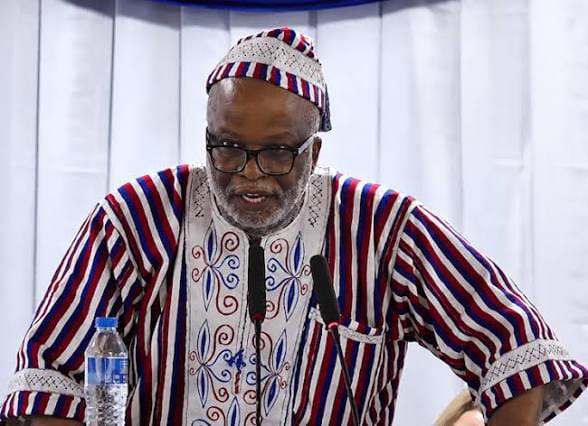
BUCHANAN, Grand Bassa County, July 30, 2026 — Liberia’s 179th Independence Day National Orator, Dr. Herbert C. Brewer, has challenged Liberians to reconsider how they view the nation’s history, arguing that Liberia’s past remains one of Africa’s greatest historical assets despite growing skepticism among its own citizens.
Delivering the Independence Day oration on July 26 in Buchanan, Dr. Brewer said Liberia’s historical contributions—including helping end the transatlantic slave trade along the Windward Coast and supporting the independence aspirations of neighboring African communities—deserve greater recognition.
He noted that Liberia achieved those milestones despite emerging into what he described as a hostile international environment marked by limited resources, a small population, and little military strength while powerful European empires dominated the Atlantic and the transatlantic slave trade continued to devastate much of West Africa.
According to Brewer, Liberia not only contributed to ending the slave trade along the Windward Coast but also created political and diplomatic space that enabled neighboring African communities to govern themselves while maintaining diplomatic, commercial, and cultural ties with Monrovia.
The National Orator expressed concern over what he described as a growing tendency among Liberians to dismiss the country’s historical achievements, warning that such attitudes risk undermining national identity and pride.
“I have listened to young Liberians, sometimes quietly and sometimes aloud, asking, ‘What is there to celebrate?’” Brewer said. “Others tell us that our history is little more than a catalogue of failure and disappointment. Indeed, that the whole idea of Liberia was a mistake.”
He said while some citizens argue that Liberia should move beyond its past and focus solely on the present and future, such views ignore the importance of understanding the nation’s historical journey.
“These are serious questions, and they deserve thoughtful answers,” he said.
Responding to those criticisms, Brewer argued that Liberia’s greatest challenge is not a lack of historical knowledge but a growing belief that the country’s history has little value.
“My argument is simple: Liberian history is one of our greatest national assets,” he said. “A people who lose confidence in their history eventually lose confidence in themselves.”
Brewer described history as the foundation of national identity, memory, and purpose, emphasizing that each generation builds upon the achievements and experiences of those who came before.
“Wealth may be gained and lost. Governments may rise and fall. Borders may change. But a nation’s history remains the foundation upon which every generation builds. No one else can claim Liberian history for us. Only Liberians can,” he said.
He also urged Liberians to adopt a broader understanding of the country’s origins, stressing that Liberia’s history did not begin with the arrival of settlers in 1822 or the declaration of independence in 1847.
Instead, Brewer said the nation’s story stretches back centuries through the indigenous communities that inhabited the land long before the establishment of the Republic.
He reiterated that Liberia’s role in ending the transatlantic slave trade along the Windward Coast and its efforts to create political and diplomatic space for neighboring African communities should inspire national pride rather than doubt.
Brewer’s address formed part of activities marking Liberia’s 179th Independence Day celebration, held this year in Grand Bassa County.
