
By Edwin N. Khakie
MONROVIA, Aug. 4, 2026– Liberia’s electricity sector is facing fresh uncertainty after LIBENERGY formally appealed the Liberia Electricity Regulatory Commission’s (LERC) decision to reduce electricity tariffs, arguing that the new pricing structure could undermine its financial operations and affect service delivery. The appeal, filed on July 23, 2026, seeks a reconsideration of the Commission’s July 6 tariff decision and comes as the new rates took effect on August 1.
The dispute centers on LERC’s approval of a new three-year electricity tariff designed to make electricity more affordable for consumers while maintaining reliable service.
However, LIBENERGY contends that the revised tariff significantly reduces its main source of operating revenue and lowers customer contributions toward meter acquisition, raising concerns about the company’s long-term financial sustainability.
According to the Liberia Electricity Regulatory Commission, LIBENERGY’s application was submitted in line with Regulation 32(1) of the Electricity Tariff Regulations, which allows regulated entities to request a review of tariff decisions.
In its filing, LIBENERGY argued that the Commission did not fully consider the financial and operational impact of the revised tariff.
The company maintained that reducing the energy charge while also lowering customer contributions for electricity meters could place additional pressure on its ability to operate efficiently and invest in service improvements.
Despite the appeal, LERC clarified that the filing does not suspend or change the tariff decision already approved by the Commission.
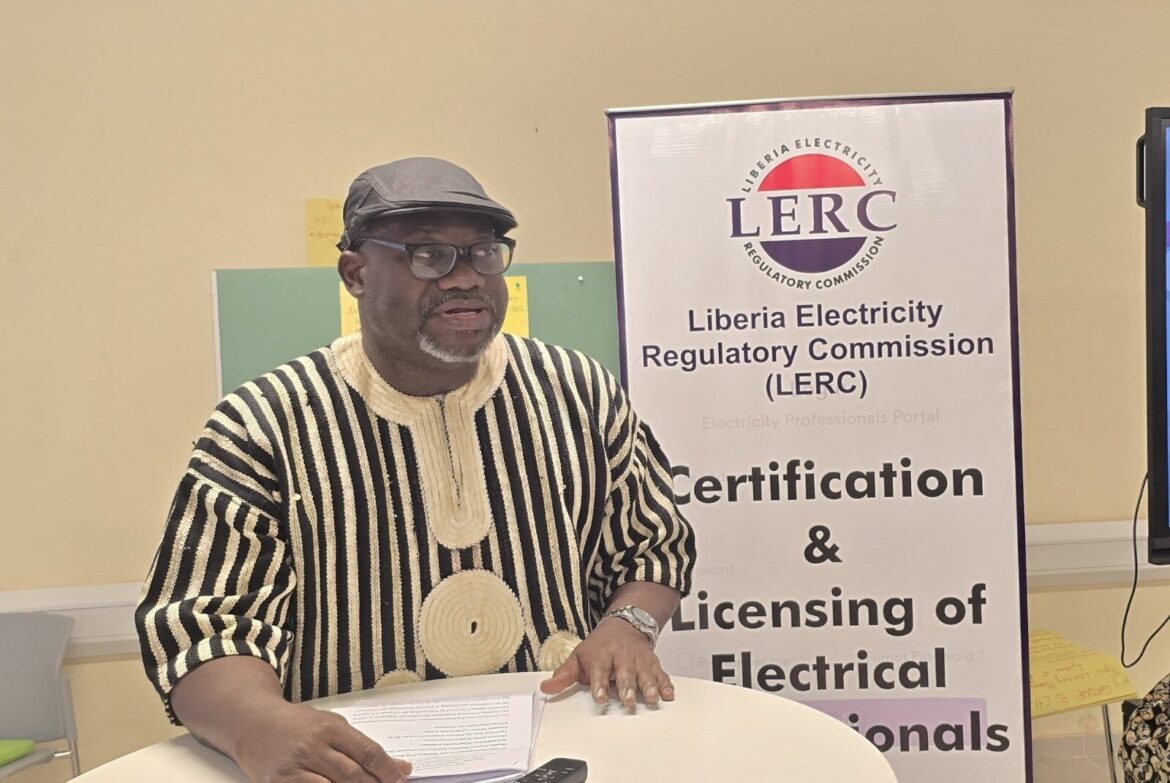
LERC Chairman Claude J. Katta said the Commission is reviewing the application in accordance with the law and will make its determination based on the evidence presented.
“The filing of an application for reconsideration is a standard regulatory process provided for under the Electricity Tariff Regulations and does not in itself alter the Commission’s decision,” Katta said.
He assured the public that the review process would be guided by transparency, fairness, and the need to protect both electricity consumers and the power sector.
Under the tariff approved on July 6, the energy charge was reduced by 12 percent, from US$0.25 to US$0.22 per kilowatt-hour, effective August 1, 2026.
The Commission also approved a monthly fixed charge of US$1.50 to support improvements to the electricity network and strengthen service reliability.
Additionally, the cost of new single-phase electricity connections was reduced from US$110 to US$40, representing a 64 percent reduction. The remaining US$70 will be recovered through the approved energy tariff. The connection package includes an electricity meter, up to 25 meters of low-voltage cable, and the necessary connectors. New three-phase connections were approved at US$330.
The outcome of LIBENERGY’s appeal is expected to be closely watched by consumers, businesses, and investors, as it could shape the future of electricity pricing and service delivery in Liberia at a time when access to affordable and reliable power remains a key national development priority.
