
By Amos Harris
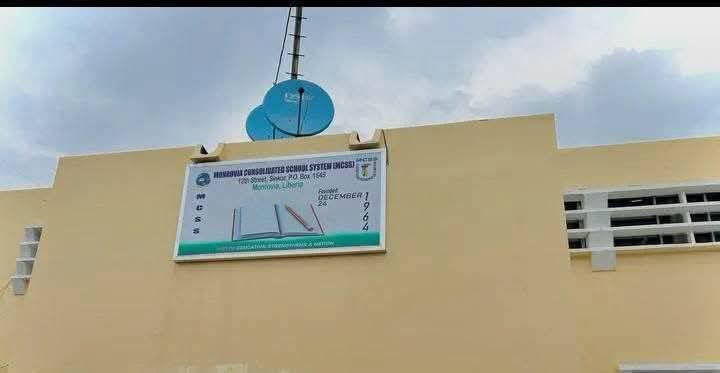
The Monrovia Consolidated School System (MCSS) has allegedly been caught illegally consuming electricity during an ongoing nationwide exercise by the Liberia Electricity Corporation (LEC) to transition government institutions from postpaid billing to prepaid electricity.
The allegation has intensified public concern over accountability within state bodies as the state-owned power utility expands its campaign to combat electricity theft and improve revenue collection across Liberia.
According to the LEC, the discovery was made on Tuesday, August 4, 2026, when a team from its Revenue Department visited several ministries and agencies to begin installing prepaid services. During the operation, officials reportedly identified an unauthorized connection at the MCSS headquarters.
LEC officials alleged that the illegal hookup enabled the institution to consume electricity for several months without making required payments. If confirmed, the scheme represents a serious abuse of public resources and a major breach of public trust.
The revelation has triggered sharp criticism from citizens, many of whom argue that ordinary Liberians are routinely disconnected from the national grid over unpaid bills while government entities allegedly enjoy free, unauthorized power. Critics insist the administration’s credibility in fighting utility theft depends on whether the law is applied equally to public institutions, private businesses, and residential consumers alike.
During the same operation, the LEC also disconnected the Liberia Land Authority (LLA) and the Ministry of Finance and Development Planning. However, the corporation clarified that those disconnections were not linked to power theft. Instead, they were carried out solely to migrate the institutions from the postpaid system to the new prepaid setup.
Under the prepaid framework, government entities must now purchase electricity tokens before consuming power, aligning them with the payment structure used by thousands of Liberian homes and businesses. The LEC maintains that this reform will curb unpaid arrears, enforce financial discipline, and boost revenue collection. Furthermore, the corporation emphasized that the nationwide migration is part of a broader strategy to eliminate electricity theft, dismantle illegal connections, and reduce financial losses that have long plagued the sector.
Meanwhile, the allegations against MCSS have prompted widespread calls for an independent investigation to determine who authorized the illegal connection, how long it operated, and the total financial loss suffered by the utility provider. Civil society organizations and community members are demanding that those responsible be prosecuted under the law, warning that failing to act will undermine public confidence in the state’s anti-power theft campaign.
As the LEC expands its prepaid electricity rollout to additional ministries, agencies, and commissions, the MCSS scandal stands as a critical test of the government’s commitment to transparency, accountability, and equal justice.
