
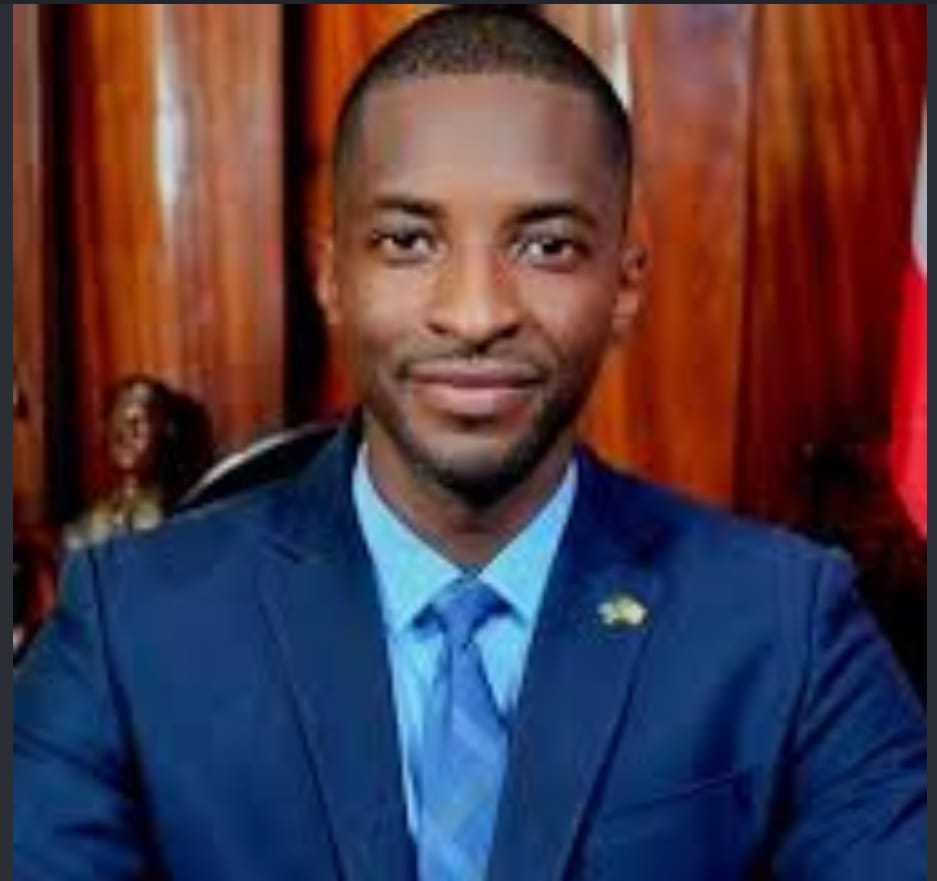
By Stephen G. Fellajuah
MONROVIA, Liberia, August 26, 2026 — Political Leader of the Liberian National Union (LINU), Dr. Clarence K. Moniba, has challenged President Joseph Nyuma Boakai to demonstrate that Liberia’s widening drug investigations are being pursued without political favoritism, warning that “justice must not be selective.”
Moniba is calling on President Boakai to address the nation on the status of the investigations and establish an independent three-member panel to review the government’s handling of major drug cases and determine whether they are being pursued consistently.
According to a statement issued by Moniba, the proposed panel should comprise credible Liberians tasked with independently assessing whether investigations are being conducted professionally, impartially and with equal urgency, regardless of the identities, political affiliations or official positions of those implicated.
His call comes as the government pursues criminal charges against former Vice President Jewel Howard-Taylor and several Liberian and foreign nationals in connection with alleged cocaine-trafficking activities.
While acknowledging the seriousness of the allegations, Moniba cautioned against allowing public accusations to become a substitute for judicial determination.
He stressed that an allegation does not amount to a conviction and that every accused person is entitled to due process and a fair and impartial trial.
At the same time, the LINU political leader maintained that anyone found guilty of drug trafficking or related crimes should face the full weight of the law.
Moniba’s demand for an independent review also focuses attention on the status of other high-profile drug investigations involving individuals allegedly connected to state security institutions.
He called on the government to clarify the status of cases involving individuals linked to the Liberia National Police, National Security Agency, Liberia Drug Enforcement Agency and airport security.
According to the statement, the proposed panel should determine which investigations have been completed, which suspects have been formally charged and which cases remain under active investigation.
Moniba also wants the panel’s findings made public, arguing that secrecy and uncertainty surrounding the investigations could undermine confidence in the government’s anti-drug campaign.
He further called on President Boakai to directly address the Liberian people and explain how his administration intends to ensure that all ongoing drug investigations are pursued to their lawful conclusions.
Moniba argued that public confidence in the government’s anti-drug campaign will depend largely on whether the administration can demonstrate that political status, public office, security connections or personal influence will not determine who is investigated, prosecuted or protected.
“The accused deserve due process. The Liberian people deserve the truth,” Moniba said, insisting that Liberia’s justice system must apply the same standard to everyone.
His comments come amid heightened public and political attention surrounding major cocaine seizures and subsequent investigations into alleged links between suspected drug-trafficking networks and influential political and security figures.
The government has repeatedly maintained that it is committed to combating drug trafficking and prosecuting individuals found to have violated Liberia’s drug laws.
Moniba, however, said the issue extends beyond individual criminal cases, arguing that the credibility of the investigations could have consequences for Liberia’s national security, international reputation and public confidence in state institutions.
He therefore urged the Boakai administration to match its anti-drug rhetoric with a transparent and credible investigative process capable of withstanding public scrutiny.
For Moniba, the test is whether the government’s campaign will ultimately demonstrate that no individual, regardless of political standing, public office, or connections, is beyond the reach of the law.
