
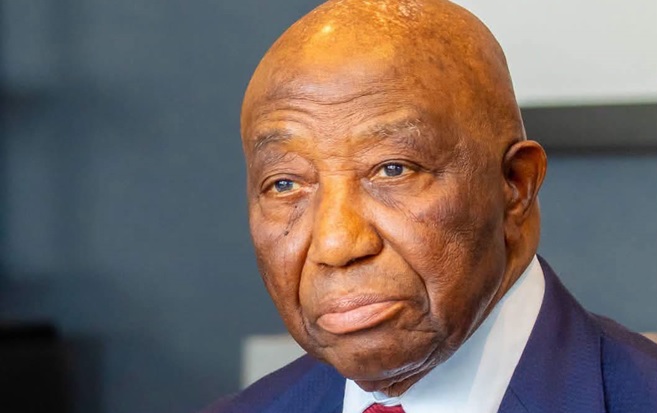
MONROVIA – The Joseph Boakai administration is celebrating Liberia’s historic crossing of the US$1 billion domestic-revenue mark.
The Liberia Revenue Authority says domestic collections rose from US$699 million in 2024 to US$848 million in 2025 and reached US$904.7 million by August 18, 2026, putting the country within reach of the billion-dollar milestone.
That achievement deserves recognition.
But Liberia’s celebration should not end with the headline number.
The more important question is whether Liberia is collecting all the revenue it is legally entitled to collect from the companies extracting and commercializing the country’s natural resources.
Consider Bea Mountain.
Between July 2021 and December 2022, Bea Mountain exported more than US$576 million worth of gold from Liberia. During that same 18-month period, it contributed approximately US$37.8 million to government coffers, according to reporting based on government and extractive-sector records.
That does not mean Liberia was legally entitled to collect the entire difference. Gold-export value is not the same thing as taxable income or government revenue.
But it does raise a legitimate fiscal question:
What exactly did Liberia receive from more than half a billion dollars in gold exports, and what revenue did the government forgo through tax concessions, deductions, exemptions, investment incentives and the fiscal terms of the concession agreement?
That question becomes even more important because Liberia’s own Extractive Industries Transparency Initiative records have identified significant discrepancies in company-reported payments.
In its FY2023 reconciliation, LEITI reported a US$14.105 million adjustment involving Bea Mountain’s reported “other import duties,” based on confirmation from the Liberia Revenue Authority. The adjustment was described as amounts incorrectly reported by the company.
That figure should not automatically be characterized as money stolen from Liberia. It is an accounting and reconciliation adjustment.
But it demonstrates exactly why the public deserves greater transparency.
If a major multinational mining company can report millions of dollars in payments that later require substantial adjustment, Liberians have every right to ask how effectively the government is monitoring the revenue obligations of multinational corporations.
And Bea Mountain is not an isolated example.
LEITI reported that, between July 2021 and December 2022, the extractive sector generated US$182.35 million in government revenue, with Bea Mountain contributing approximately US$37 million during that period, making it one of the country’s largest extractive-sector contributors.
So the issue is not whether multinational companies pay taxes.
They do.
The issue is whether they are paying everything Liberia is legally entitled to receive under their contracts and the country’s tax laws.
That is where the Boakai administration needs to provide answers.
The Finance Ministry and LRA should publish a comprehensive breakdown of the country’s largest taxpayers showing:
How much each major mining company is required to pay.
How much each company actually paid.
How much was waived, exempted, deferred or credited.
How much was disputed.
How much remains outstanding.
How much was recovered following audits.
And, importantly, how much revenue Liberia has forgone through investment incentives and concession agreements.
That would make the US$1 billion celebration meaningful.
Otherwise, Liberians are being presented with the collection side of the equation without being shown the other side—the revenue that may have been left on the table.
Liberia is a country blessed with gold, iron ore, timber and other natural resources. Yet ordinary Liberians continue to pay taxes, customs duties, business fees and other charges while asking why the country’s enormous natural wealth has not translated into comparable improvements in roads, hospitals, schools, electricity, water and employment.
The government cannot demand that ordinary Liberians pay every cent while treating scrutiny of multinational tax obligations as an inconvenience.
And this is where the US$1 billion milestone should become more than a government publicity exercise.
The LRA should tell Liberians who paid the billion dollars.
The Finance Ministry should tell Liberians who received tax concessions.
The Ministry of Mines should explain what Liberia receives under each major mining agreement.
And the government should tell the public how much revenue it believes it could collect if every legally due tax, royalty, duty and other obligation were fully enforced.
That is the number Liberians need to see.
Because celebrating US$1 billion in domestic revenue is one thing.
Demonstrating that Liberia is collecting every dollar it is legally entitled to collect from those exploiting its resources is another.
The Boakai administration should therefore welcome an independent public examination of the country’s major concession agreements and multinational tax contributions.
If the government can demonstrate that Bea Mountain, ArcelorMittal and other major corporations are paying everything they legally owe, the figures should be published and the matter settled.
But if audits reveal that Liberia is routinely leaving substantial revenue on the table through poorly negotiated concessions, excessive exemptions, weak enforcement, incorrect reporting or unpaid obligations, then that is where the government’s attention should be focused.
A billion dollars in revenue should not be the end of the conversation.
It should be the beginning of a much bigger national conversation about who is paying, who is receiving concessions, who is benefiting from Liberia’s resources—and how much the Liberian people are actually getting in return.
See more Liberia News Network stories in Google Search by adding LNN as one of your Preferred Sources.
★ Add LNN as a Preferred Source