
Published: September 23, 2026
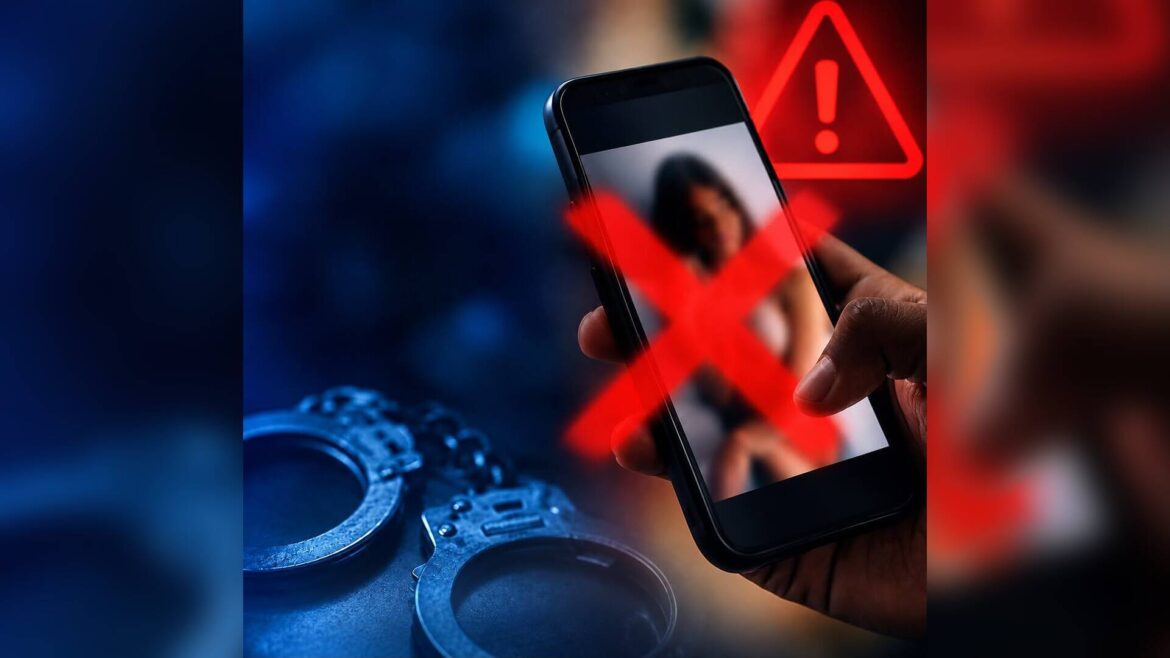
Liberia’s Cybercrime Act criminalizes knowingly sharing an identifiable person’s intimate image without consent.
MONROVIA – Knowingly sharing a person’s intimate image digitally without that person’s consent is now a crime in Liberia punishable by up to three years in prison, and the person depicted can ask a court to order the material taken down while the case is pending.
\n
Section 20 of the new Cybercrime Act creates the offense. The official copy of the Act was approved July 3 and printed by the Ministry of Foreign Affairs on July 24. Section 21 provides the takedown route.
\n
Section 20 reads: “Any person who unlawfully and intentionally makes available, transmits, or distributes, by means of a computer system, an intimate image of an identifiable person, knowing that the person depicted in the intimate image did not consent to the making available, broadcasting, or distribution of the data message, is guilty of an offense…”
\n
The law sets several conditions. The distribution must be unlawful and intentional, the person in the image must be identifiable, and the person sharing it must know that the subject did not consent.
\n
A conviction carries imprisonment of not more than three years or a fine equal to twice the gain the defendant realized from the offense. Where the defendant made no gain, the Act allows only imprisonment.
\n
Under Section 21, a complainant who reports an alleged offense under Sections 18, 19 or 20 to the Liberia National Police may apply to a court for protective measures while criminal proceedings are pending. The application may be made ex parte, meaning without notice to the other side.
\n
The court may order that the material not be made available, broadcast or distributed further. It may also order an electronic communications service provider, or anyone controlling a computer system, to remove or disable access to it.
\n
Section 20 is one of several offenses in the Act, which also covers unauthorized access to computer systems, unlawful interception, unauthorized modification of computer data, system interference, computer-related fraud and forgery, identity theft and cyberstalking.
\n
The Act also establishes the Liberia National Cybersecurity Center and the Liberia Cybersecurity Emergency Response Team.
\n
The Liberian Investigator will continue breaking down the Cybercrime Act section by section to explain what its provisions mean for the public.
See more Liberia News Network stories in Google Search by adding LNN as one of your Preferred Sources.
★ Add LNN as a Preferred Source