MONROVIA – The final whistle had barely faded on Tuesday when the debate moved from the pitch to the timeline. Liberia had lost at home to Mali in the ongoing Africa Cup of Nations qualifiers, and the man chosen to bring the country together around the Lone Star had something to say.
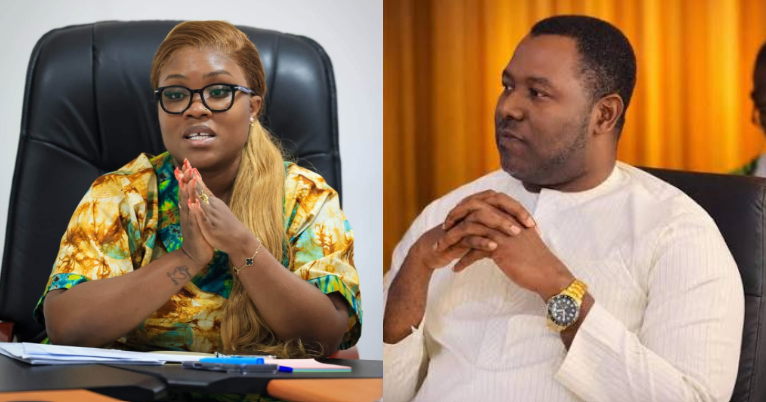
Rev. Dr. J. Luther Tarpeh is Chairman of the ruling Unity Party and Chair of the National Mobilization Committee for the national team. Within hours, his post had done what few losses manage: it united a large part of the public, though against him rather than behind the team.
Two Posts in One
The message read like two documents stitched together. The first was a conventional thank-you. Tarpeh praised the “amazing” turnout, told Liberians not to lose heart, and reminded them that “Rome was not built in one day.” He asked the public to keep backing the team until Liberia has a competitive side able to hold its own in Africa.
The second was a political rebuttal. Tarpeh wrote that he was struck by supporters of the opposition Coalition for Democratic Change (CDC) who were blaming his government for bringing the Lone Star’s troubles to the national level.
He asked whether they were still bitter that he, Amos Tweh and others had led the campaign that removed the CDC from power, and whether that loss had left them “mentally deranged” and unable to separate politics from patriotic service. He then added a personal note: “No leave. No transfer.”
The Case for the Defense
To be fair to Tarpeh, his argument has substance. He said the CDC government, whose political leader used football to build a national and international profile, did little for the national team while in office. He also pointed out that, under that administration, McGill and others had been named to lead a mobilization effort for the Lone Star. If that was acceptable then, he asked, why is it wrong now?
He also described how his current role took shape. During a trip to Casablanca to watch the Lone Star face Libya in a friendly, he said he spoke candidly with the players about the obstacles they face. Back home, he said, he took those concerns to the National Assembly and the Executive Branch.
The President and the Minister of Youth and Sports agreed to act, and he said the players are now happy to give their best. “I am proud to mobilize my government to show vested interest in the National Team,” he wrote, promising to do more. That would have been a defensible message on its own terms. What followed made it hard to hear.
The Line That Crossed It
Tarpeh said that if he did not count “very good few friends” in the CDC, he would launch a campaign to “donate” CDC supporters “somewhere else” so they could leave the country alone. He described their reasoning as “detestable” and their outlook as toxic, labeled them “crab mentality CDcians,” and told them to “get use to it.”
For critics, the wording did more damage than the argument. A call to relocate political opponents, even meant rhetorically, sat badly with a role built around inclusion.
A Rebuke from Inside the Tent
The most consequential response came from within the government Tarpeh was defending. Youth and Sports Minister Cornelia Kruah, the official he credited with taking up the team’s cause, made clear she did not share his message.
“As Minister of Youth and Sports, I do not agree with this post,” she wrote, adding that she would speak with Tarpeh but wanted her disagreement on the record first, since his position was already public. The mobilization chair’s role, she said, is not meant to be divisive but to serve as a bridge between politicians and the citizens who love the team. Her closing line was blunt: “This cannot be another CDC vs UP moment.”
What Ordinary Liberians Said
The public response, much of it from people who said they wanted to cheer for the team, followed a few recurring themes. Moriah Yeakula argued that the post proved why Tarpeh should not have been given the position, since the role is “not to just mobilize govt, it’s to mobilize the country.” She asked whether he thought the Lone Star was “UP FC.” Elijah Sumo went further, telling him to “step aside” and leave politics at party headquarters.
Several commenters pointed to Tarpeh’s standing as a reverend and doctorate holder. Samuel Bondoe said the title should have meant language of “reconciliation and healing,” and noted that the post named no current problems and offered no solutions. Moriah Yeakula told him the post did not reflect him as a reverend, a scholar or a party leader.
Theophilus Quaye said the communication should have been a simple thank-you and a call to keep trying together, adding that nothing said about the team now is new. Joseph Peabody praised the opening lines as “the kind of message our national team needs right now,” but said Tarpeh should have stopped there, since bringing in old elections “changes the message completely.”
Emmanuel Toe urged him, respectfully, to be more open and to recognize that not every critic is a CDCian working against the team. Elijah Reeves asked for an apology and a message of hope. Francis Peters warned that continued division could have “catastrophic” consequences.
Ishmael Jones put it plainly: “Liberia is not UP or CDC and our national team should never be politicized.” Eric Sulunteh went further, saying the team belongs to every Liberian, and warned that a government preoccupied with politics could repeat earlier administrations’ mistakes, “where politics overshadowed meaningful development in sports.”
The Question Underneath
Strip away the insults and a real policy debate remains. Few Liberians dispute that the Lone Star needs stronger government backing, and Tarpeh’s account of pressing that case with the President and the sports ministry is, on its face, the kind of advocacy supporters want.
The disagreement is about tone, timing and purpose. A mobilization chair is a unifying figure by design, someone who can bring the whole country into the stands regardless of how it voted. Critics say Tarpeh used a moment of national disappointment to settle scores, and that in doing so he narrowed the very audience he is meant to expand. Many also noted what the post left out: any account of what went wrong against Mali, or how the team will fix it.
The immediate test is the conversation the Sports Minister says she will have with Tarpeh. It could produce a clarification, an apology, or nothing visible at all. Some commenters want him replaced, but there is no sign the government is weighing that.
The Lone Star still has fixtures to play, and Tarpeh himself wrote that hope is “not totally dashed.” Whether that hope translates into results may depend on what the country does around the team. As Eric Sulunteh put it, when the Lone Star take the field there should be no political identity on the pitch, “just Liberia.”
See more Liberia News Network stories in Google Search by adding LNN as one of your Preferred Sources.
★ Add LNN as a Preferred Source