
Published: October 15, 2026
MONROVIA — Liberia and Sierra Leone have renewed calls for stronger cross-border cooperation, joint scientific research and proactive disease surveillance to confront emerging public health threats, warning that infectious diseases recognize no national boundaries and require coordinated regional responses.
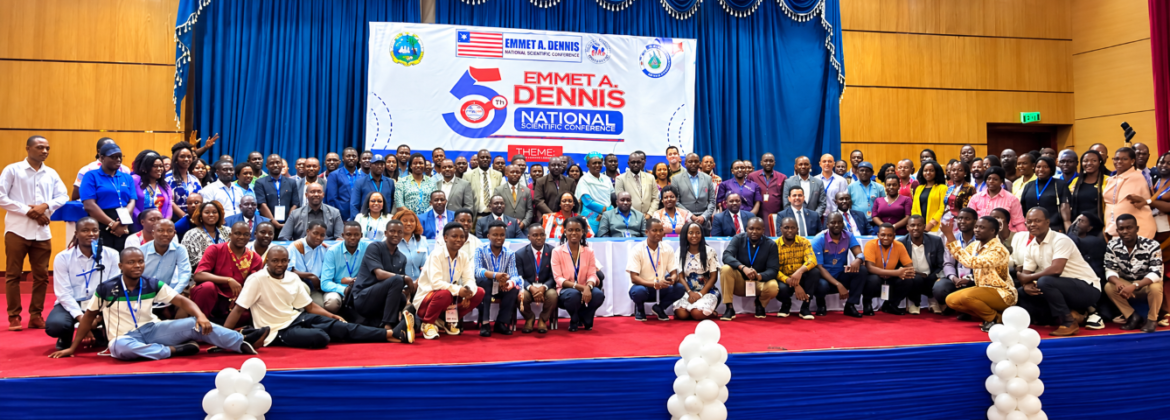
The calls dominated the opening of the fifth annual Emmet A. Dennis National Scientific Conference, organized by the National Public Health Institute of Liberia (NPHIL), which brought together leading public health experts, government officials, researchers, academics and international development partners in Monrovia on Wednesday, Oct. 14.
Held under the theme, “Strengthening Health Security in Liberia Through Research and Innovation,” the three-day conference, running from Oct. 14-16, 2026, seeks to advance scientific research, promote technological innovation and develop practical policy recommendations to strengthen Liberia’s capacity to prevent, detect and respond to public health emergencies.
The gathering also provides a platform for regional public health institutions to exchange experiences, examine common challenges and identify collaborative approaches to addressing infectious disease outbreaks and other threats confronting Liberia and neighboring countries.
President Joseph Nyuma Boakai, serving as chief convener of the conference and represented by a designated official from his office, emphasized his administration’s commitment to strengthening public health systems through scientific research, innovation and sustained investment in disease prevention.
In remarks delivered on his behalf, the Liberian leader stressed that protecting the health and well-being of citizens, from densely populated urban communities to remote rural settlements, remains a central priority of his administration.
He underscored the importance of moving beyond reactive approaches to public health emergencies, arguing that countries must invest in research, preparedness and early detection systems before outbreaks occur.
According to the president’s message, scientific research and technological innovation are not luxuries reserved for developed nations but essential instruments for survival, national development and sustainable health security in Liberia and across the region.
Drawing attention to the shared experiences of West African countries during previous disease outbreaks, the president called for stronger regional solidarity, coordinated surveillance and improved information-sharing mechanisms.
“In the spirit of regional solidarity and collaboration, we must always be mindful that disease knows no border and our defense must be equally seamless and united across West Africa,” he said.
The message highlighted the importance of establishing resilient health systems capable of identifying potential threats early, mobilizing appropriate responses and preventing the spread of infectious diseases across national borders.
Delivering the keynote address, Dr. Foday Sahr, executive director of Sierra Leone’s National Public Health Agency, reinforced the call for regional cooperation, citing the close geographical, cultural and historical connections between Liberia and Sierra Leone.
Sahr reflected on Sierra Leone’s public health experiences and the strategies employed over the past nine years to strengthen its disease prevention, surveillance and emergency response capabilities.
He noted that the public health challenges confronting Sierra Leone are closely linked to those experienced by Liberia, particularly because of their shared borders, population movements and longstanding social and economic relationships.
According to the Sierra Leonean public health expert, the similarities make it necessary for both countries to establish stronger collaborative systems rather than addressing common health threats independently.
Sahr recommended enhanced information-sharing arrangements, technical capacity development and the establishment of joint research cohorts involving scientists and public health institutions from Liberia and Sierra Leone.
He explained that such cooperation would enable researchers and policymakers from both countries to develop common approaches to disease surveillance, scientific investigations and public health interventions.
The keynote speaker also encouraged health professionals to prioritize systematic planning, evidence-based decision-making and research initiatives capable of producing practical and measurable results.
He urged development partners to direct greater investment toward strengthening the institutions, infrastructure and technical systems necessary to sustain public health security.
Sahr’s recommendations reinforced the conference’s broader emphasis on transforming scientific findings into actionable policies that can improve preparedness and response to emerging health threats.
The Emmet A. Dennis National Scientific Conference is one of NPHIL’s flagship scientific platforms, designed to promote continuous research, professional engagement and knowledge-sharing on disease prevention, epidemiological surveillance, emergency preparedness and other critical public health priorities.
Over the years, the conference has provided opportunities for researchers, academics and emerging scientists to present findings, exchange experiences and contribute to the development of evidence-based health policies.
Speaking at the opening ceremony, NPHIL Interim Director-General Sia Camanor highlighted the conference’s growing contribution to scientific research, professional development and institutional capacity-building within Liberia’s public health sector.
Camanor said the annual gathering has helped create opportunities for emerging researchers to develop their careers while strengthening collaboration between academic institutions, health professionals and public health authorities.
She emphasized that scientific conferences should go beyond presentations and discussions to produce recommendations capable of influencing national health policies and improving service delivery.
The NPHIL interim director-general commended local and international partners for their continued support toward advancing scientific research and strengthening Liberia’s public health institutions.
She encouraged participants from academic, research and professional backgrounds to engage meaningfully throughout the conference and contribute practical recommendations addressing the country’s most pressing public health challenges.
According to Camanor, the discussions and scientific presentations are expected to inform a post-conference resolution that will be submitted to the government for consideration in national health policy decisions.
The conference comes as Liberia and its regional partners continue efforts to strengthen preparedness against infectious disease outbreaks, improve surveillance capabilities and build more resilient public health institutions.
With experts emphasizing the importance of early detection, coordinated research and cross-border collaboration, the three-day gathering is expected to generate recommendations aimed at strengthening Liberia’s health security framework and expanding scientific cooperation across the Mano River region.
The conference concludes Friday, Oct. 16, with participants expected to consolidate their findings and recommendations for consideration by relevant government institutions and public health stakeholders.
See more Liberia News Network stories in Google Search by adding LNN as one of your Preferred Sources.
★ Add LNN as a Preferred Source