
PAYNESVILLE, Liberia — The Liberia Baptist Theological Seminary (LBTS), led by Rev. Dr. Prof. Momolu A. Massaquoi, has opened its Fifth International Theological Education Conference (ITEC), calling for a collective national response to drug addiction and warning that Liberia’s future generation remains at risk if the crisis is not urgently addressed.
The two-day conference opened at the Bradley D. and Carolyn Brown Fellowship Chapel on the LBTS campus in Paynesville under the theme, “Healing the Next Generation: The Theological Perspective on Drug Addiction, Recovery, and Youth Empowerment.”
Delivering the keynote address, Rev. Dr. Stephen L. Hawkins challenged religious leaders and theological educators to reconsider how they understand and respond to people struggling with substance abuse, arguing that addiction should not be viewed solely as a failure of personal character.
Hawkins, a sociologist of religion, Baptist pastor, college chaplain, and seminary instructor, identified hope, human dignity, and reintegration as three central principles that should guide discussions on addiction and recovery.
Drawing on his experiences working with vulnerable individuals and families in the United States, he explained that substance abuse is sometimes preceded by difficult circumstances, including poverty, mental health challenges, displacement, family separation, and limited economic opportunities.
He cited experiences in New Brunswick, New Jersey; New Orleans, Louisiana; Milwaukee, Wisconsin; and the Wisconsin foster care system to illustrate how social and economic conditions can influence people’s experiences with substance abuse.
According to Hawkins, some young people turn to drug-related activities because legitimate employment opportunities are limited, while others struggle with trauma, mental health conditions, or disruptions in their family and community relationships.
He stressed that understanding these circumstances does not excuse harmful behavior but can help communities develop more effective responses to addiction.
Hawkins also cautioned against stigmatizing people with labels such as “addict,” “failure,” and “unfit,” warning that such descriptions can discourage individuals from seeking assistance and make it harder for them to rebuild their lives.
“The structure pushes young people out of society, and then the labels keep them out,” he said.
He urged churches to become supportive communities where people affected by addiction can find acceptance and opportunities to recover rather than face continued rejection.
However, Hawkins noted that acceptance alone would not resolve every addiction problem, emphasizing the need for clinical treatment, counseling, medical care, employment opportunities, and time to heal.
He defined hope as the belief that a person’s future remains possible despite past struggles, dignity as an inherent worth that cannot be taken away by misconduct, and reintegration as helping individuals regain a meaningful place in their communities.
Hawkins further argued that theological education must prepare future pastors to support families affected by addiction and respond compassionately to young people whose experiences may have been ignored or misunderstood.
He said faith communities can help protect young people when they provide a sense of belonging, guidance, accountability, and social support.
Speaking at the opening ceremony, Ambassador D. Maxwell Saah Kemayah, Chairman of the LBTS Board of Trustees, urged the government, political leaders, religious institutions, families, and citizens to put aside their differences and work together to confront drug addiction.
Kemayah described the drug situation in Liberia as devastating, emphasizing that the country cannot secure its future without addressing a crisis affecting its young people.
“If we do not wake up, all of us as a people putting politics aside, those of us who are into politics, and even the government itself putting politics aside, if we do not tackle the issue of drugs, then drugs will finish our children,” he warned.
Kemayah linked the conference’s theme to the seminary’s golden jubilee celebration, which is being observed under the theme, “Celebrating the Past, Strengthening the Present, and Shaping the Future.”
He questioned how Liberia could strengthen its present and shape its future without confronting the effects of drugs on young people and the wider population.
The conference seeks to examine addiction, recovery, and youth empowerment through theological, pastoral, sociological, philosophical, historical, educational, and cultural perspectives.
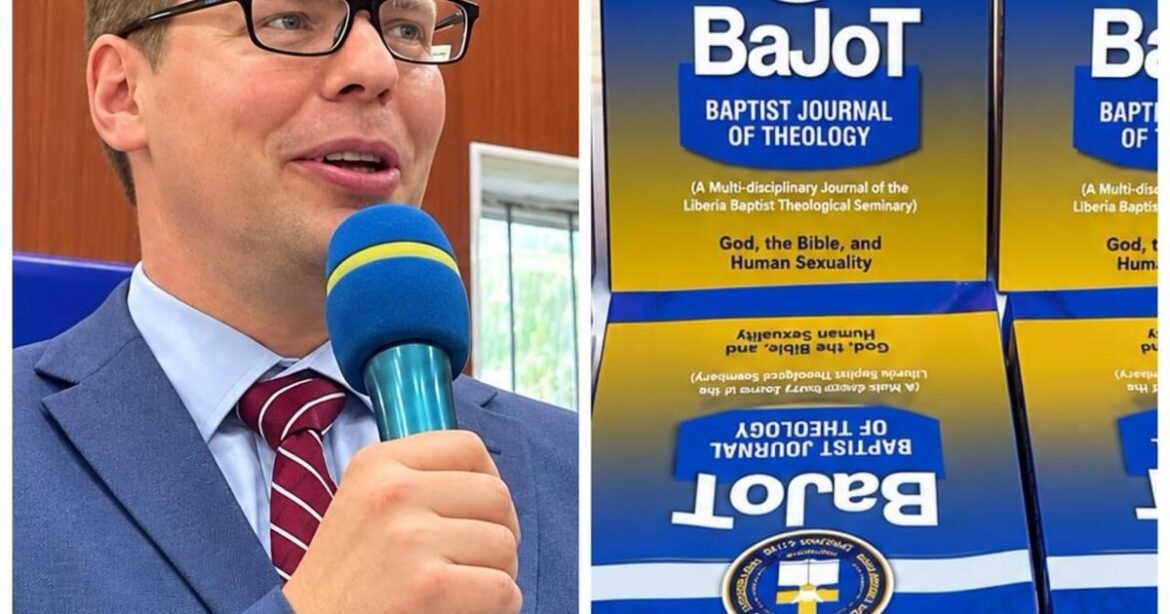
LBTS Launches Fourth Edition of Baptist Journal of Theology
Meanwhile, the Liberia Baptist Theological Seminary launched the fourth edition of the Baptist Journal of Theology (BaJoT), a publication intended to strengthen Liberian and African contributions to theological scholarship.
Speaking during the launch, Rev. Dr. Prof. Momolu A. Massaquoi, president of LBTS and editor-in-chief of the journal, said the institution established the publication to give Liberian theological education a stronger voice in international academic discussions.
Massaquoi said the seminary recognized the need for Liberian scholars to contribute research and perspectives to theological debates taking place around the world.
The fourth edition focuses on “God, the Bible, and Human Sexuality,” bringing together articles examining human sexuality from biblical, theological, sociological, philosophical, ethical, and cultural perspectives.
The publication includes contributions from Liberia, Ghana, Nigeria, Cameroon, and the United States, alongside research by Liberian theologians.
Topics covered include gender identity and the Bible, biblical interpretations of homosexuality, sexual ethics in pluralistic societies, and the challenges churches face when responding to questions about human sexuality.
Massaquoi said the journal is intended to provide pastors, church members, parents, and students with scholarly resources to help them engage questions arising within their congregations and communities.
He encouraged church leaders and students to obtain and read the publication as a resource for theological study and discussion.
The conference and journal launch form part of LBTS’s broader engagement with issues affecting the church and society, including the role of theological education in preparing religious leaders to address addiction, youth empowerment, and other complex social challenges.
See more Liberia News Network stories in Google Search by adding LNN as one of your Preferred Sources.
★ Add LNN as a Preferred Source