
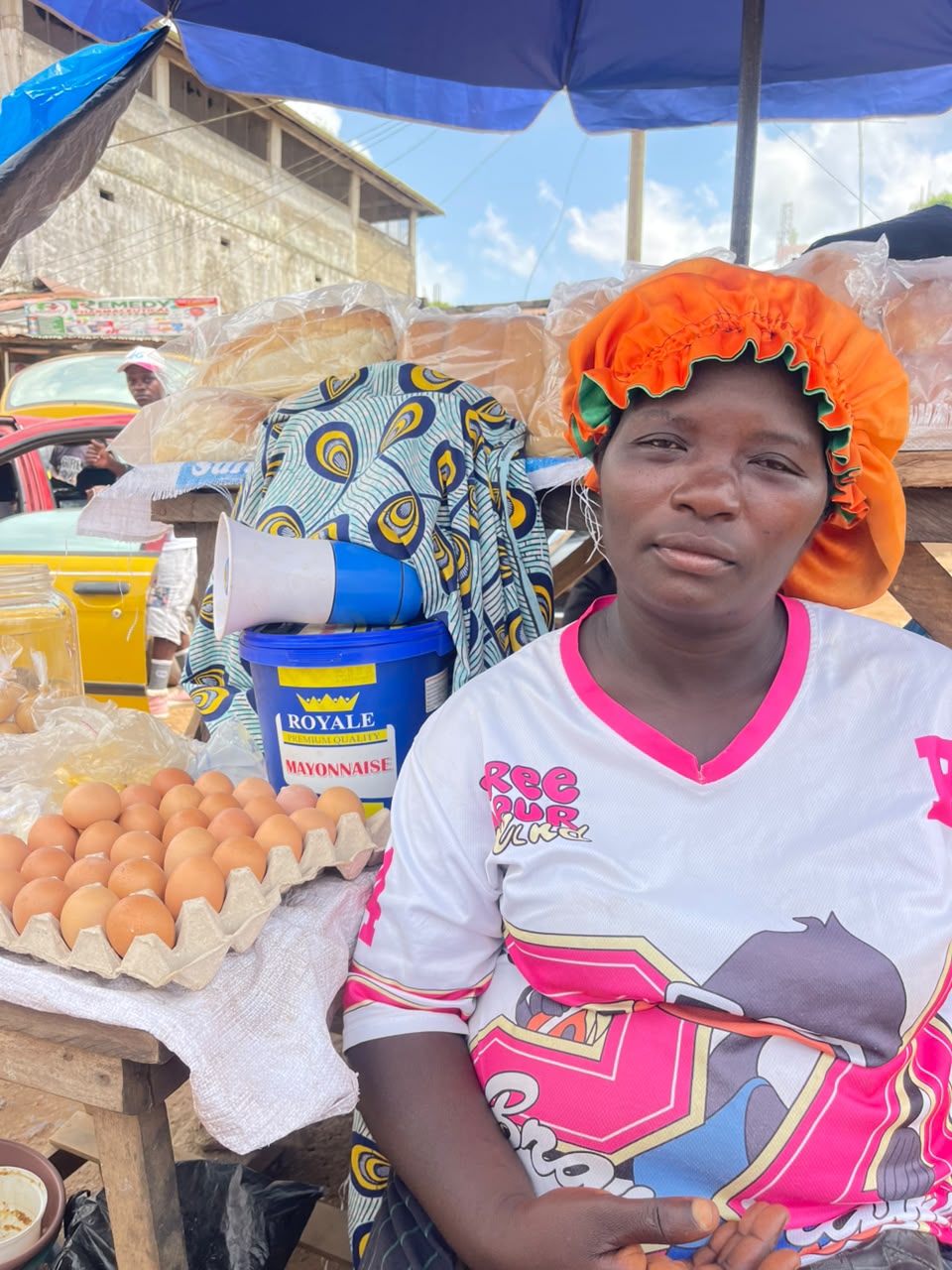
MONROVIA, November 2, 2026: A dispute has erupted between United Commodities Incorporated (UCI) and Liberian egg importers and consumers over rising prices and reported shortages of eggs on the local market, with traders accusing the company of dominating the market and calling on the government to allow greater competition.
However, UCI Managing Director Wahab Dhaini has rejected the allegations, describing them as false and misleading.
The controversy follows reports that UCI, an affiliate of West African Premier Investment LLC (WAPI), is selling a carton of eggs for US$65 wholesale, while other distributors and retailers are reportedly charging between US$70 and US$75 per carton.
Individual eggs are being sold for between L$40 and L$50 in some parts of Monrovia and its surroundings, raising concerns among consumers and petty traders who depend on the commodity for their livelihoods.
Importers claim that the government’s restrictions on egg imports, intended to protect domestic production, have created an unfair competitive advantage for UCI and contributed to rising prices.
They allege that authorities have been reluctant to issue Import Permit Declarations (IPDs) and Import Notification Forms (INFs) to businesses seeking to import eggs, despite growing demand and reported shortages.
According to the importers, local production is insufficient to meet nationwide demand, making it necessary for the government to permit additional imports.
“The demand for eggs now is so high, and one company alone cannot supply the whole market. Because of this, the commodity is getting scarce on the market,” an importer who requested anonymity said.
The importer warned that continued restrictions on egg imports could further increase prices and place additional financial burdens on consumers.
Some importers also alleged that UCI requires wholesale buyers to purchase other commodities before allowing them to buy eggs, an accusation that could raise questions about fair competition.
However, responding to the allegations, UCI Managing Director Wahab Dhaini dismissed claims of shortages and unfair business practices.
“All of this is not true. What do they mean we ran out of supplies?” Dhaini asked, rejecting the accusations against the company.
Meanwhile, petty traders say rising wholesale prices are reducing their profit margins and threatening their businesses.
Sally Kiaweh, a mother of four who has sold eggs in Brewerville for more than a decade, said the rising cost of the commodity is making it increasingly difficult to support her family.
“I can buy one carton of eggs for US$70 from the store. This egg business is what helps me pay my children’s school fees, feed my family and pay my rent. But things are not fine now,” she lamented.
Kiaweh explained that a carton of eggs previously cost about US$50, compared with the current price of US$70, leaving traders with significantly reduced profits.
Another trader, 25-year-old Prince Dennis, urged the government to promote competition by allowing more businesses to import eggs.
“When companies were bringing eggs into Liberia, we used to sell eggs for L$20 or L$25. I want the government to open the market and make it fair so people can compete with one another,” Dennis said.
The controversy comes amid government measures aimed at protecting domestic poultry production and encouraging investment in Liberia’s agricultural sector.
On June 6, 2023, former President George Manneh Weah issued Executive Order No. 119, imposing surcharges on imported eggs and other selected commodities to encourage local production.
President Joseph Nyuma Boakai subsequently extended the protective measures through Executive Orders Nos. 135 and 156 in 2024 and 2025, respectively.
The Boakai administration has promoted domestic poultry production as part of its broader efforts to strengthen food security, reduce import dependence and encourage local investment.
In May 2025, President Boakai visited the Liberian American Poultry (LAP) Farm in Bomi County, a major domestic egg producer.
According to an August 2026 report attributed to the International Finance Corporation (IFC), LAP and Modern Mills of Liberia are majority-owned by West African Premier Investment LLC (WAPI), an investment company associated with the Siblani family.
The businesses operate within a broader group of affiliated companies, including UCI, with interests in trading, manufacturing and agriculture.
The LAP Farm was reportedly expected to produce approximately 1,300 cartons of eggs daily. However, traders claim production has declined in recent months, contributing to shortages in Monrovia and other parts of the country.
The reported decline in supply has intensified concerns about whether domestic production can adequately meet consumer demand under the existing import restrictions.
Importers and consumers are now urging the government, particularly the relevant trade and regulatory authorities, to review the issuance of import permits and ensure that policies supporting local production do not undermine competition or expose consumers to excessive prices.
They maintain that allowing qualified businesses to import eggs would help increase supply, stabilize prices and provide relief to petty traders and households struggling with rising costs.
While UCI continues to dispute the allegations, the controversy has renewed debate over how Liberia can protect domestic industries while maintaining affordable prices and fair competition in the marketplace.
See more Liberia News Network stories in Google Search by adding LNN as one of your Preferred Sources.
★ Add LNN as a Preferred Source