
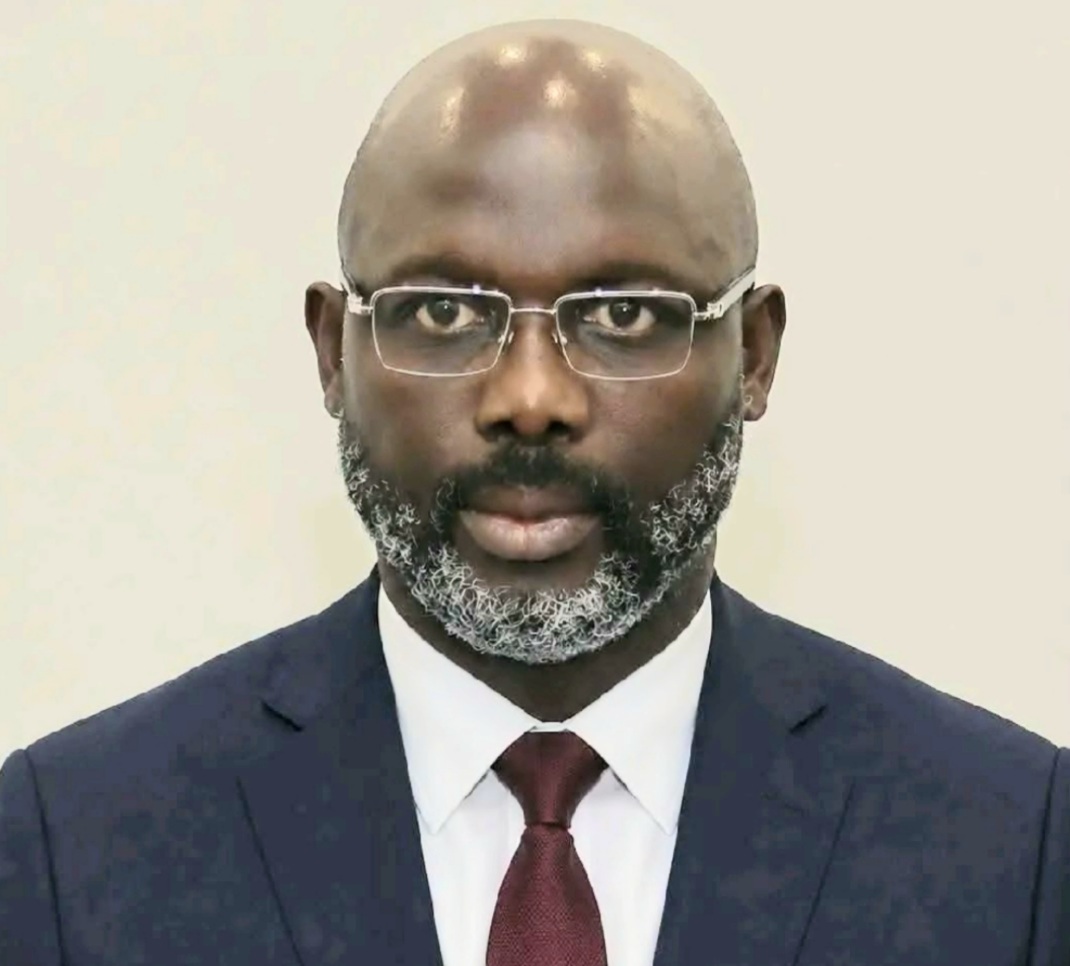
State Department’s assessment raises questions about judicial independence as CDC warns against any move to arrest former president; report does not establish that Weah is being targeted
MONROVIA — Rumors surrounding the possible arrest of former President George Manneh Weah are taking on a new dimension following concerns by the United States Department of State about executive influence over Liberia’s judicial system.
The American assessment has renewed debate over whether Liberia’s justice institutions can independently handle politically sensitive cases, particularly those involving prominent opposition figures and individuals connected to the government.
In its 2026 Investment Climate Statement on Liberia, the State Department identifies concerns about judicial independence, reports of executive influence in judicial and legislative affairs, alleged bribery involving court officials and lengthy delays in resolving commercial disputes.
Although the report focuses primarily on Liberia’s investment environment, its observations carry wider implications for public confidence in the justice system at a time when political tensions between the ruling Unity Party (UP) and the opposition Congress for Democratic Change (CDC) remain high.
The report does not mention Weah or establish that President Joseph Boakai has ordered an investigation or arrest of the former President. Neither does it provide evidence that any judicial process involving Weah has been politically influenced.
However, the concerns raise an important question: if a politically sensitive case involving a former president emerges, what guarantees can the government provide that the investigation, prosecution and judicial proceedings will be free from political pressure?
WEAH ARREST RUMORS AND THE QUESTION OF JUDICIAL INDEPENDENCE
The possibility of Weah’s arrest has generated strong reactions among CDC supporters, some of whom have warned against any attempt to detain their political leader.
For the opposition, the issue is not simply whether the former President can be investigated under Liberian law. It is whether any investigation or possible prosecution would be based on credible evidence and handled through an independent legal process rather than political considerations.
Weah, who remains a prominent political figure and leader of the opposition, is entitled to the same legal protections guaranteed to every Liberian.
If authorities possess credible evidence of wrongdoing, they have a responsibility to investigate it. But the investigation must follow established legal procedures, respect due process and remain free from political interference.
Any attempt to use law enforcement to intimidate or weaken political opponents would undermine public confidence and deepen divisions in an already sensitive political environment.
Equally, political loyalty cannot place any individual above the law. The CDC and its supporters must recognize that accountability is a constitutional principle, not something that should be rejected simply because it involves a former President.
WASHINGTON’S ASSESSMENT RAISES A CREDIBILITY QUESTION
The State Department’s observations are significant because judicial independence is central to the credibility of criminal investigations and prosecutions.
The 2026 Investment Climate Statement refers to reports of executive influence in judicial and legislative affairs and concerns about bribery involving court officials. It also describes commercial court cases that can take between two and five years to resolve.
The assessment adds to longstanding concerns about the effectiveness and independence of Liberia’s judicial institutions. Similar language about executive interference appeared in the State Department’s 2024 Investment Climate Statement, indicating that the concern is not necessarily new.
Nevertheless, the persistence of the issue makes it particularly important for the Boakai administration to demonstrate that the courts and security institutions can operate independently, especially in cases involving politically influential individuals.
For the government, the challenge is to ensure that any legal action involving Weah is not only lawful but also credible in the eyes of the public.
WILL THE GOVERNMENT APPLY THE SAME STANDARD TO EVERYONE?
The controversy also comes amid public debate over allegations involving individuals connected to both the ruling establishment and the opposition.
Among the issues attracting attention are allegations made in social media videos by individuals claiming connections to an international cocaine trafficking network and making claims involving President Boakai’s son, Jojo Boakai.
Those allegations have not been independently established, and Jojo Boakai must not be presumed guilty. However, questions about whether the claims have been investigated have contributed to public debate about equal treatment under the law.
The central issue is whether security institutions apply the same investigative standards regardless of political affiliation, family connections or public position.
A justice system that aggressively investigates opposition figures while appearing reluctant to address allegations involving people close to those in power risks losing public confidence.
The government should therefore provide appropriate clarification about the status of politically sensitive investigations without compromising legitimate law-enforcement operations or the rights of individuals involved.
A POTENTIAL TEST FOR BOAKAI’S ADMINISTRATION
President Boakai came to office promising accountability, institutional reform and respect for the rule of law.
The rumors surrounding Weah present an opportunity for his administration to demonstrate that those commitments apply even when the individuals involved are powerful political opponents.
The Executive Mansion and the Ministry of Justice should make clear whether any formal investigation, summons or arrest process involving the former President exists. If no such process exists, an authoritative clarification could help reduce speculation.
If an investigation is underway, the authorities should explain the applicable legal framework without disclosing sensitive information that could compromise the process.
The government must also ensure that the Liberia National Police, the Liberia Drug Enforcement Agency and other security institutions are not perceived as instruments of partisan political interests.
The responsibility for maintaining peace, however, does not rest with the government alone. CDC leaders must discourage threats, avoid inflammatory rhetoric and ensure that any political response remains peaceful and constitutional.
LIBERIA’S HISTORY OFFERS A WARNING
Liberia’s political history demonstrates the dangers of allowing disputes involving powerful political figures and security institutions to escalate.
The violent confrontations surrounding Roosevelt Johnson in 1996 and 1998 remain reminders of how political tensions, attempted arrests and security operations can contribute to wider instability.
The present situation should not be equated with those historical events. But the lessons are relevant: political disputes must be handled through lawful procedures, responsible communication and dialogue before tensions become confrontations.
Liberia cannot afford another period in which political rivalry threatens public safety, economic activity and the country’s democratic progress.
JUSTICE MUST BE SEEN TO BE INDEPENDENT
The State Department’s assessment does not prove that Weah is facing a politically motivated arrest, nor does it establish that the Boakai administration has interfered in a case involving the former President.
But it places a greater responsibility on the government to demonstrate that the country’s institutions are capable of handling politically sensitive matters fairly.
The credibility of any investigation involving Weah will depend not only on the evidence presented but also on the independence of investigators, prosecutors and judges, as well as respect for due process.
For President Boakai, the issue is bigger than one former President or one political party. It is about whether Liberia can establish a justice system in which political opponents and government allies are treated equally.
For the CDC, the challenge is to defend its political leader through constitutional and peaceful means while recognizing that no individual is above the law.
When two political elephants fight, ordinary Liberians are often the ones who suffer.
Liberia needs neither political persecution nor political protection. It needs credible investigations, independent courts and a government confident enough to allow the law to take its course without interference.
The ultimate test is whether justice in Liberia can be trusted to serve the law rather than the political interests of those in power.
See more Liberia News Network stories in Google Search by adding LNN as one of your Preferred Sources.
★ Add LNN as a Preferred Source