
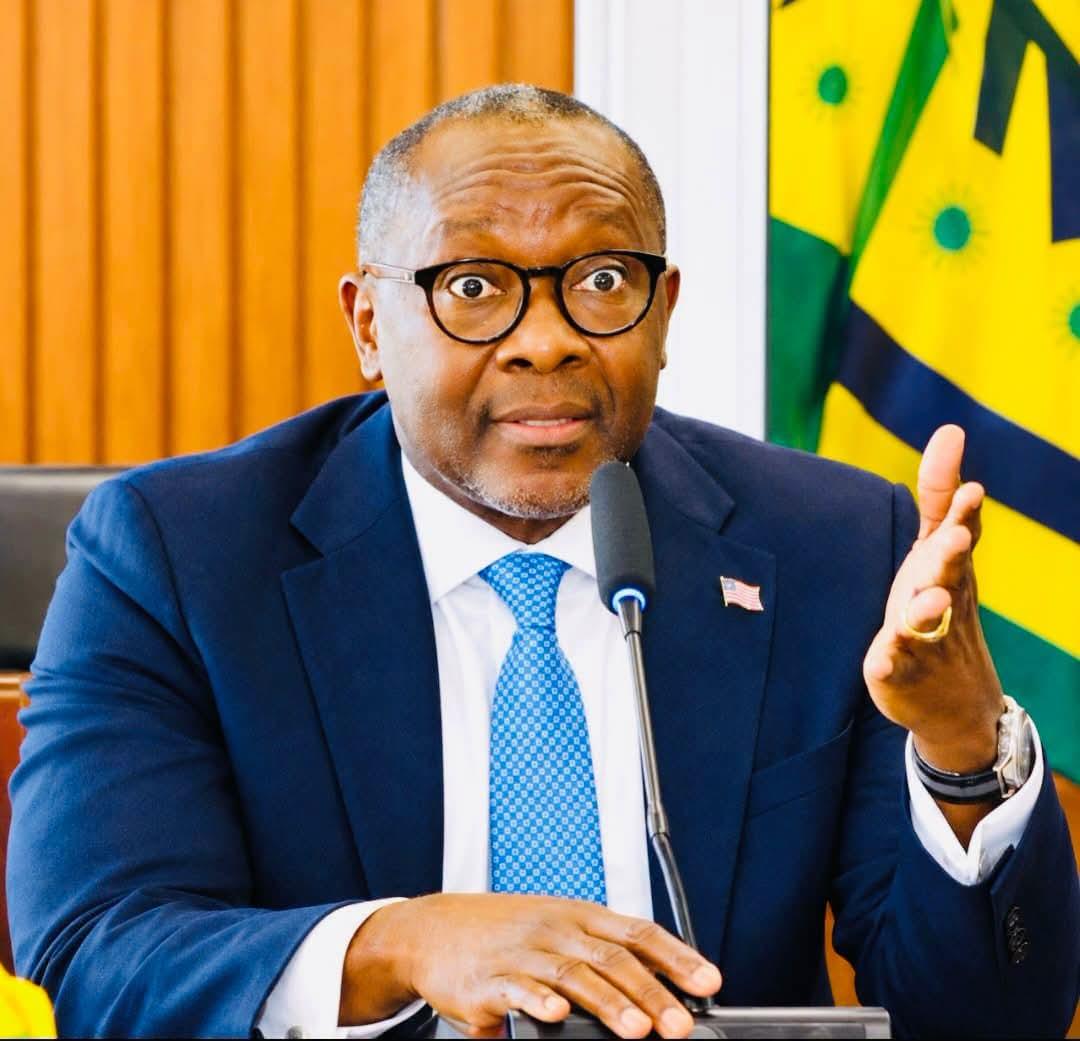
MONROVIA – Gbarpolu gave up farmland and forest on the strength of a promise. The Bao Chico iron ore deal became law nearly five years ago. Senator Amara Konneh says the county still has little to show for it. His seven questions to the Senate Plenary are basic. Is the mine operating, what has been exported, and who has been paid? That such questions remain unanswered is itself the real indictment. A September 2026 transparency review found missing monitoring reports across six concessions. Gbarpolu’s case therefore mirrors a national pattern of weak enforcement. The test now shifts squarely to the Senate and the Executive Branch. As THE ANALYST reports, Konneh frames silence itself as the failure.
Gbarpolu County Senator Amara Konneh has formally petitioned the Liberian Senate Plenary to launch an immediate investigation into the legal and operational standing of Bao Chico Resources Liberia Limited. He is demanding urgent answers for residents of one of Liberia’s most resource-rich yet impoverished counties nearly five years after the company’s iron ore concession was ratified into law.
In a wide-ranging public statement on his official Facebook page announcing his communication to Plenary, Konneh laid out seven pointed oversight questions. The questions are aimed at clarifying whether the company’s operations in Gbarpolu are active, suspended, revoked, or under care and maintenance, as well as how much iron ore has been mined and exported since the Mineral Development Agreement (MDA) took effect.
Konneh also pressed for a full accounting of Liberian and Gbarpolu workers currently employed, laid off, terminated, or sent home without pay during periods when activities have stalled. Beyond employment and production figures, the senator demanded transparency over payments owed to the Social Development Fund, scholarship fund, and County Development Fund.
He also sought a status audit of committed community infrastructure, including schools, clinics, water points, roads, and markets, as well as royalties, taxes, duties, surface rentals, and port, batching, and export arrangements.
“These are not abstract oversight questions,” Konneh declared. “To this day, no one in Gbarpolu has received an answer, yet our concession area, our land, and our communities’ hopes remain tied up.”
Farmland Given Up, Promises Unfulfilled
Focusing on Gomgbeya Chiefdom and surrounding communities in Bopolu District, Konneh painted a stark picture of local sacrifice met with economic stagnation. Families in the core concession belt surrendered farmland and forestland on the strength of promises covering jobs, scholarships, and local development, yet today face mounting hardship as operations remain intermittent or at a standstill.
According to Konneh, young people who walked away from schooling or farming to take up company work now sit idle, while farmers whose land was disturbed have received neither livelihoods nor remedies. Communities promised clinics and schools still travel long distances for basic healthcare and education.
Haulage-damaged roads remain unrepaired, and the absence of steady production has deprived Gbarpolu of both jobs and promised MDA development funds. “We are one of the poorest counties in this country, not because we lack land, iron ore, or hardworking people, but because promises made to us keep disappearing into silence,” Konneh said.
A Pattern of Stalled Concessions
Konneh’s push places Bao Chico’s Gbarpolu concession squarely within a broader, recurring pattern of natural-resource governance friction in Liberia. Mineral Development Agreements and extractive projects have repeatedly drawn legislative scrutiny, community pushback, and transparency audits over unfulfilled social commitments and weak monitoring.
The agreement, formally enacted into law in March 2022 following legislative passage in late 2021 as the Mineral Development Agreement between the Government of Liberia and Bao Chico Resources Liberia Ltd., granted exploration, production, and export rights for iron ore in Gbarpolu County under a 25-year Class “A” mining license. At ratification, the pact was heralded for anticipated investments, employment, royalties, a US$3 million (L$547.08 million) signature fee, scholarships, and a Social Development Fund for affected communities.
Yet extractive accountability reviews have repeatedly underscored systemic enforcement gaps across Liberia’s mining sector. A September 2026 compliance investigation commissioned by the Liberia Extractive Industries Transparency Initiative (LEITI), covering six major mining concessionaires including Bao Chico, pointed to weak inter-agency coordination, missing concession monitoring reports from oversight bodies, and incomplete compliance documentation.
In Gbarpolu specifically, Konneh has also previously pressed for legislative probes into illicit mining activities in the county and demanded accountability over stalled development initiatives and disputed county funds. Lawmakers across other mineral-rich counties have similarly clashed with concessionaires such as Western Cluster over unfulfilled MDA pledges and poor road conditions.
Pressing the Senate and Executive
Framing the issue as a test of legislative resolve, Konneh argued that sluggish or halted operations cannot excuse a lack of transparency. He urged the Senate and the Executive Branch to speak plainly if the company cannot or will not perform, to safeguard affected workers, secure community entitlements, and resolve the concession’s future openly.
Konneh expressed confidence that his colleagues will act amid heightened Senate oversight under the leadership of the President Pro Tempore. He insisted that relevant Executive Branch agencies and the company must account to the public, underscoring a simple demand for Gbarpolu residents: clarity and accountability.
See more Liberia News Network stories in Google Search by adding LNN as one of your Preferred Sources.
★ Add LNN as a Preferred Source