
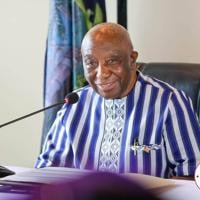
President Joseph Nyuma Boakai, Sr., has warned government officials against attempts to bypass Liberia’s public procurement rules, stressing that strict compliance with established procedures is essential to protecting state resources, ensuring fair competition and preventing favoritism in the award of government contracts.
President Boakai issued the warning Thursday when he opened the 24th Cabinet Meeting, held under the theme, “Value for Money; Maximizing Fiscal Space through System Efficiency and Government Asset Security.” Procurement and concessions were among the major issues scheduled for discussion.
The President acknowledged that procurement procedures can sometimes be lengthy and frustrating, particularly when government agencies need to acquire goods and services quickly. However, he cautioned that such frustrations should never justify circumventing safeguards established under Liberia’s procurement framework.
“Sometimes people get frustrated about all what you have to do to go through to buy this and buy. But just imagine if these things were not in place, and even if they are in place, that people there were not implementing them, the resources you’re talking about, you will not have them,” President Boakai said.
His remarks reinforce his administration’s emphasis on accountability, fiscal discipline and responsible management of public resources, especially as government seeks to maximize limited fiscal space.
Boakai said procurement should not be viewed merely as a bureaucratic requirement, but as a critical safeguard against waste, abuse and unequal treatment in government contracting.
“When we say procurement in the sense of procurement, it helps with accountability. It helps with fair play in the market. It also helps with making sure that every citizen has access to rendering services to this country,” he stated.
The Liberian leader also warned against practices that could create the perception that government contracts are reserved for individuals or companies with personal connections to public officials.
He said transparent procurement processes are necessary to ensure that qualified Liberians and businesses receive equal opportunities to compete for government contracts.
“To do that in a competing society, you need to have a process by which everybody can have access without going around saying, well, they give it to their friend, they have this, they have that,” Boakai said.
The President emphasized that participation in government should not be limited to public employment. He said Liberians can contribute to national development by providing goods and services to government through transparent and competitive processes.
“Participation in the government doesn’t mean that everybody will work with the government, but you can serve, you can provide goods and services,” he said.
Boakai’s comments place procurement compliance at the center of broader efforts to improve government efficiency and ensure that public spending delivers value for money.
The Cabinet meeting’s theme focuses specifically on maximizing Liberia’s fiscal space through system efficiency and strengthening government asset security, making procurement a key component of efforts to improve public financial management.
The President’s warning comes amid continued calls for greater transparency and accountability in the management of public funds. He stressed that procurement safeguards are intended to ensure that public resources remain available for their intended purposes while government receives value for the money it spends.
He noted that when procurement rules are ignored or poorly implemented, the consequences can extend beyond individual transactions, potentially undermining public confidence in government institutions and limiting opportunities for legitimate businesses.
Boakai therefore urged officials responsible for government purchasing and contracting to respect established procedures and ensure that qualified businesses are given fair opportunities to compete.
Beyond procurement, the President commended Cabinet members for their service, noting that public officials often receive attention when they make mistakes while their routine contributions to national development receive little recognition.
“People wait for the mistake you make, but we’re in leadership, we watch and listen. We want to appreciate you very much,” he told Cabinet members.
He subsequently declared the 24th Cabinet Meeting officially open.
The meeting addressed procurement, concessions, government asset security, system efficiency and other issues related to the effective management of public resources and delivery of government services.
See more Liberia News Network stories in Google Search by adding LNN as one of your Preferred Sources.
★ Add LNN as a Preferred Source