The Central Bank of Liberia (CBL) has thrown its support behind the Liberia Revenue Authority’s (LRA) ambitious five-year corporate strategic plan, emphasizing that modern digital payment infrastructure will be critical to increasing domestic revenue, improving taxpayer compliance and strengthening Liberia’s fiscal sustainability.
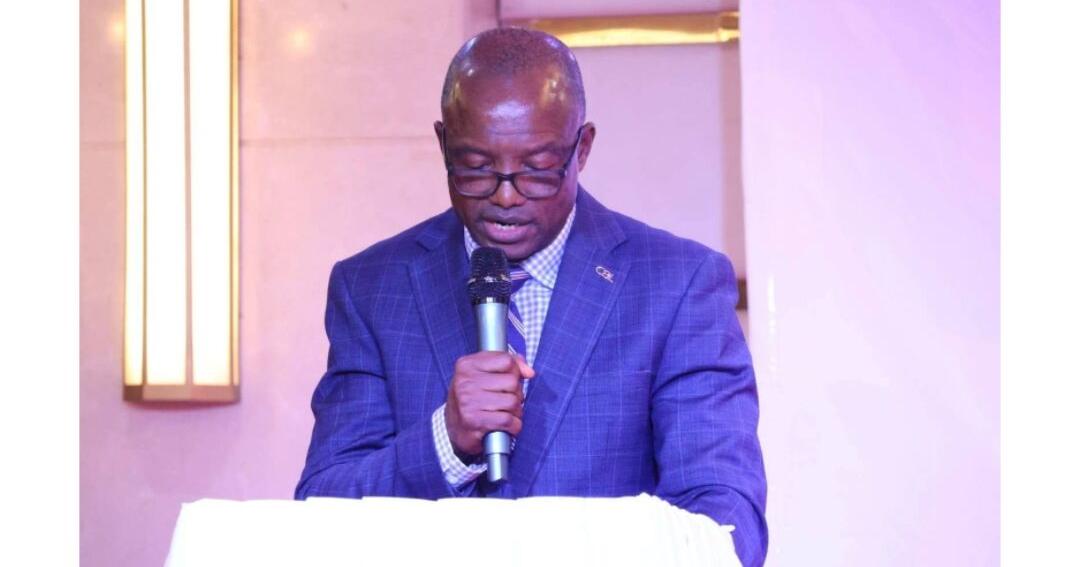
Speaking recently at the launch of the LRA’s Corporate Strategic Plan 2025–2029, CBL Deputy Governor for Operations James B. Wilfred, who represented the Central Bank’s executive leadership, said the LRA’s ambition to move domestic revenue collection to the billion-dollar mark is not only achievable but necessary for Liberia’s economic future.
The strategic plan, launched under the theme “Moving to Billion: Mobilizing Domestic Revenue for Fiscal Sustainability,” seeks to strengthen domestic resource mobilization and expand the government’s fiscal space.
Wilfred said the revenue target reflects Liberia’s determination to reduce dependence on external financing while generating the resources needed to finance infrastructure, social services and long-term economic growth.
“Moving to a billion is not just ambitious, but it is very necessary,” Wilfred said, adding that recent revenue performance suggests the LRA is already well ahead of its targets toward achieving the benchmark.
He stressed, however, that realizing the vision would require strong institutions, effective leadership, technological innovation and sustained efforts to improve taxpayer compliance.
According to the CBL official, effective domestic revenue mobilization cannot be achieved by the Revenue Authority alone but requires close collaboration among government institutions, taxpayers, the private sector, development partners and financial institutions.
He said the Central Bank considers itself a strategic partner in the LRA’s modernization efforts, particularly through the development of a secure, efficient and inclusive national payment ecosystem.
Wilfred highlighted several reforms undertaken by the CBL, including the Real-Time Gross Settlement System (RTGS), Automated Clearing House (ACH) and the recently launched instant and interoperable payment system.
“These initiatives are transforming the way individuals and businesses and government institutions conduct financial transactions by enabling faster, safer and more efficient payment ecosystems across banks and mobile network operators,” he said.
He disclosed that the CBL is also receiving support from the African Development Bank and other development partners to upgrade existing payment infrastructure and improve financial services.
In addition, Wilfred said the Central Bank has secured funding from the Bill & Melinda Gates Foundation to leverage the ModaLoop platform in implementing Liberia’s National Electronic Payment Switch.
The initiative, he said, is expected to deepen interoperability across Liberia’s financial sector and accelerate the country’s digital payments agenda.
The CBL has also commenced work toward establishing the Liberia Interbank Payment and Settlement Systems, which Wilfred said will provide a central platform for routing, clearing, processing and settling electronic payment transactions across the country.
To further support the modernization of Liberia’s financial infrastructure, the Central Bank is developing a new data center to host and manage critical national payment infrastructure.
Wilfred said the CBL-owned facility will improve the security, resilience, reliability and business continuity of Liberia’s payment systems.
For the LRA, he said, the modernization of the national payment infrastructure presents a major opportunity to improve tax collection and make tax payments easier for individuals and businesses.
Modern payment systems, he explained, will allow taxpayers to make payments through banks, mobile money platforms and other digital channels, reducing transaction costs and delays while improving reconciliation.
He said moving away from cash-based transactions would also help strengthen transparency and accountability within the revenue administration system.
“Taxpayers are more likely to comply voluntarily when payment processes are simple, transparent, secure and easily accessible,” Wilfred said.
Beyond convenience, he noted that electronic payments generate reliable transaction records that can strengthen monitoring and accountability while reducing opportunities for leakages, errors and fraud.
Wilfred argued that improved transparency could also increase public confidence in the revenue administration system, which in turn could encourage greater voluntary compliance and boost domestic revenue collection.
He described the partnership between the CBL and LRA as more than a technological collaboration, saying it represents a broader effort to build an integrated financial ecosystem capable of improving compliance, strengthening revenue collection and advancing financial inclusion.
“It is a strategic collaboration aimed at building a modern and integrated financial ecosystem that promotes compliance, strengthens revenue collection, advances financial inclusion and supports national economic development,” he said.
Wilfred also called on taxpayers to recognize their civic responsibility to contribute to national development through the payment of taxes.
He said taxes remain essential to financing public services and infrastructure needed to improve the living conditions of Liberians.
As the LRA began implementing its 2025–2029 strategic plan, Wilfred urged the institution to maintain its focus on integrity, professionalism, innovation and institutional discipline.
He also encouraged stronger stakeholder engagement to ensure the successful implementation of the plan.
“With determination, collaboration and a shared sense of national commitment and purpose, I am confident that the vision of moving to a billion and aiming more is going to become a reality,” Wilfred said.
He said achieving the target could serve as a catalyst for stronger fiscal sustainability, greater economic resilience and improved prosperity for Liberians.
Wilfred concluded by congratulating the LRA Commissioner General, Board of Governors and staff for developing the five-year strategic framework, while reaffirming the Central Bank’s commitment to supporting the Authority’s revenue mobilization and digital transformation agenda.
See more Liberia News Network stories in Google Search by adding LNN as one of your Preferred Sources.
★ Add LNN as a Preferred Source