
By Lewis S. Teh
Monrovia, Liberia, August 6, 2026 – The Center for Transparency and Accountability in Liberia (CENTAL) has welcomed recent government action on major narcotics seizures and progress in extractive sector transparency but says deeper institutional reforms and fuller public disclosure are needed to sustain the gains.
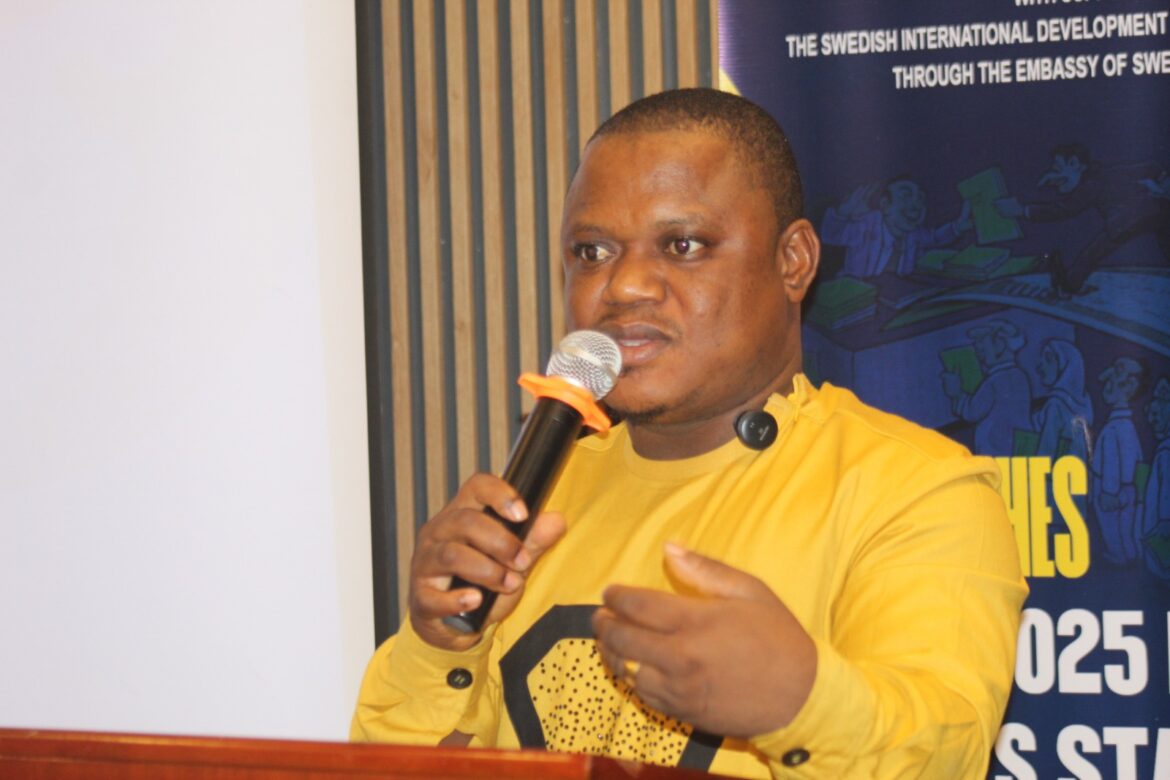
CENTAL Executive Director Anderson D. Miamen made the comments during a press conference in Monrovia, where he addressed recent developments in the fight against illicit drugs and governance reforms in the extractive sector.
The seizures include 238 kilograms of drugs valued at USD $19 million in June 2026 and four metric tons valued at USD $370 million in July 2026. With a combined estimated market value of over $389 million, officials say it is the largest recorded narcotic seizure in Liberia’s history.
Those affected include the Deputy Director for Operations at RIA, the Police Commissioner for Criminal Investigation, Intelligence and Interpol, the Deputy Director for Administration of the NSA, the Airport Director of Security, and the Deputy Commander of the LDEA at the airport. Additional persons from the NSA and the Ministry of Gender, Children and Social Protection were referred to the Ministry of Justice.
CENTAL praised the joint security forces and the President “for acting rather than shelving the findings” and thanked the press, citizens and civil society for sustaining pressure that compelled disclosure. “Media and citizens pressure producing disclosure and disclosure producing actions is civic accountability working as it should,” Miamen said.
However, CENTAL warned that narcotics of such quantity signal deeper systemic problems. “Narcotics of such quantity do not transit a country whose border, seaports and airports are functioning without compromises and collusive networks that make them possible,” Miamen said.
“The dismissal… is not a personal matter. It is evidence that the integrity architecture at our principal posts of entry were compromised at multiple points simultaneously. This is a governance failure before it is a criminal one and it will not be killed by merely removing individuals.”
CENTAL called for timely public disclosure on the investigation, competitive vetting for strategic security appointments, regular rotation of officers in sensitive positions, and an inclusive investigative process involving international partners, civil society, and national actors.
The group also insisted that there should be “no sacred cows,” saying all persons linked to the alleged crimes must be prosecuted and made to fully account for their actions.
Turning to governance in the extractive sector, Miamen congratulated the Liberia Extractive Industries Transparency Initiative, LEITI, on scoring 80% in the 2026 validation report for implementation of the 2023 EITI Standard.
He said the score reflects “strong progress in aligning EITI implementation with national development priorities, strengthened public debates, and improved access to extractive sector data.” This is a measurable improvement in a sector that generates a substantial share of national revenue and that has historically been amongst the least transparent. It demonstrates that sustained institutional effort produces results,” Miamen stated.
CENTAL noted, however, that the validation also flagged unfinished work: inconsistencies in production and revenue data, beneficial ownership disclosure not yet fully institutionalized, and the need for stronger data assurance and machine-readable disclosure.
The group urged LEITI to publish a “costed, time-bound implementation plan” for the recommendations and called on the Legislature and development partners to resource it. It also called for greater transparency in contract negotiation, renegotiation and oversight to ensure Liberians get maximum benefit from extractive resources.
“Our score is not a reform. It is a measurement of progress at a moment in time. The value of that moment depends entirely on whether the corrective actions identified are implemented before the next assessment,” Miamen said. He concluded that the narcotics case, the LEITI validation, and ongoing corruption trials will help define the future of governance in Liberia, depending on whether investigations are completed transparently and reforms are institutionalized.
See more Liberia News Network stories in Google Search by adding LNN as one of your Preferred Sources.
★ Add LNN as a Preferred Source