MONROVIA, Liberia, October 2, 2026 — Seventeen civil society organizations have called for stronger citizen participation in Liberia’s electoral reform process, urging coordinated advocacy to ensure proposed changes reflect public concerns ahead of future elections.
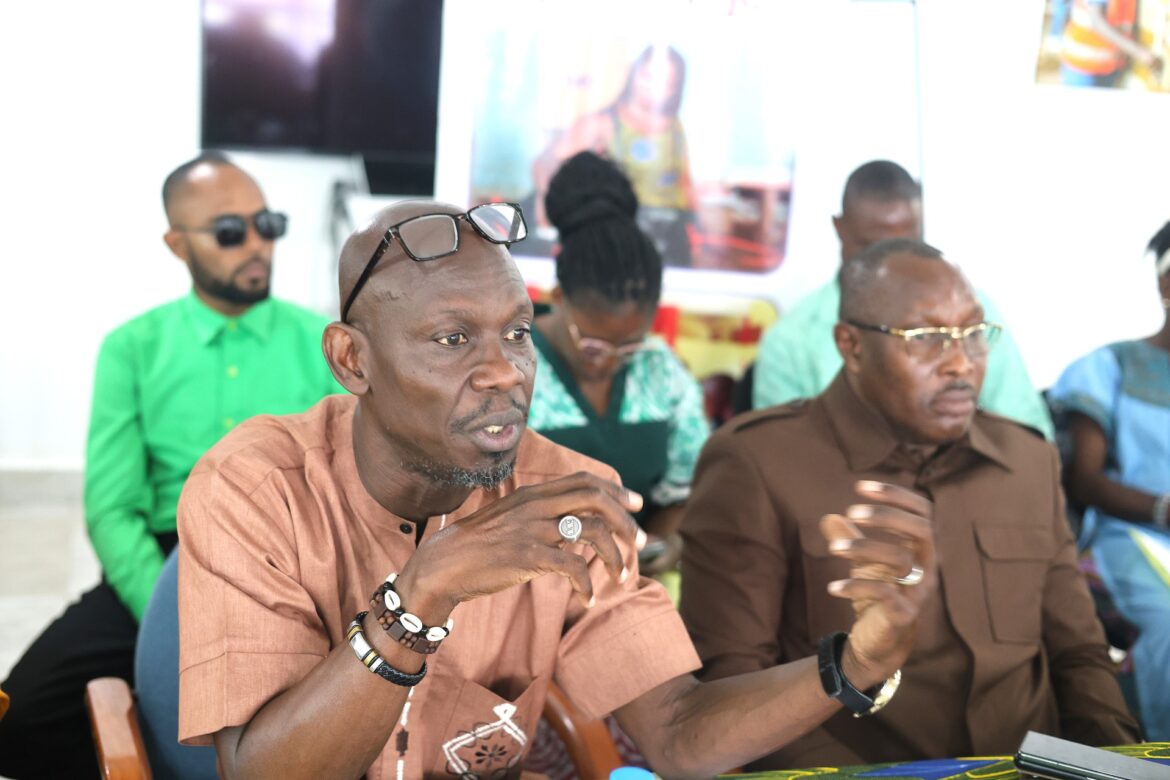
The organizations made the call during a one-day Dialogue for Inclusive Electoral Reform and Civil Society Advocacy held Wednesday, September 30, in Monrovia.
The dialogue, organized under the Liberia Electoral Support Project, brought together civil society actors to examine reform priorities and develop strategies for engaging policymakers and electoral institutions.
The initiative was implemented by the United Nations Development Programme (UNDP) in partnership with UN Women, the Netherlands Institute for Multiparty Democracy (NIMD) and the UN Electoral Assistance Division, with support from the European Union, Irish Aid and Sweden.
NIMD Country Director Oscar Bloh said recommendations emerging from Liberia’s 2023 General Elections risk becoming fragmented without sustained and coordinated civil society engagement.
“Let me urge all participants to organize now and develop common positions so that citizens’ voices will shape the country’s evolving electoral framework,” Bloh said.
European Union Delegation Policy Officer Maria Winnubst encouraged civil society groups to examine recommendations from the EU Election Observation Mission and other observer groups following the 2023 elections.
She stressed that electoral reform should be an ongoing process involving communities, policymakers and national institutions.
UNDP Inclusive Governance Team Lead Stanley Kamara similarly urged participants to treat electoral reform as a continuous democratic process rather than an exercise undertaken shortly before elections.
“Electoral reform is not about preparing for the next election,” Kamara said. “It is about preparing Liberia for the next generation of democracy.”
Participants discussed several reform priorities, including women’s political participation, temporary special measures, the independence of electoral administration, constituency boundary delimitation and seat apportionment.
The dialogue also focused on developing common advocacy priorities and strengthening civil society engagement as Liberia moves forward with electoral reforms.
See more Liberia News Network stories in Google Search by adding LNN as one of your Preferred Sources.
★ Add LNN as a Preferred Source