
By Lincoln G. Peters
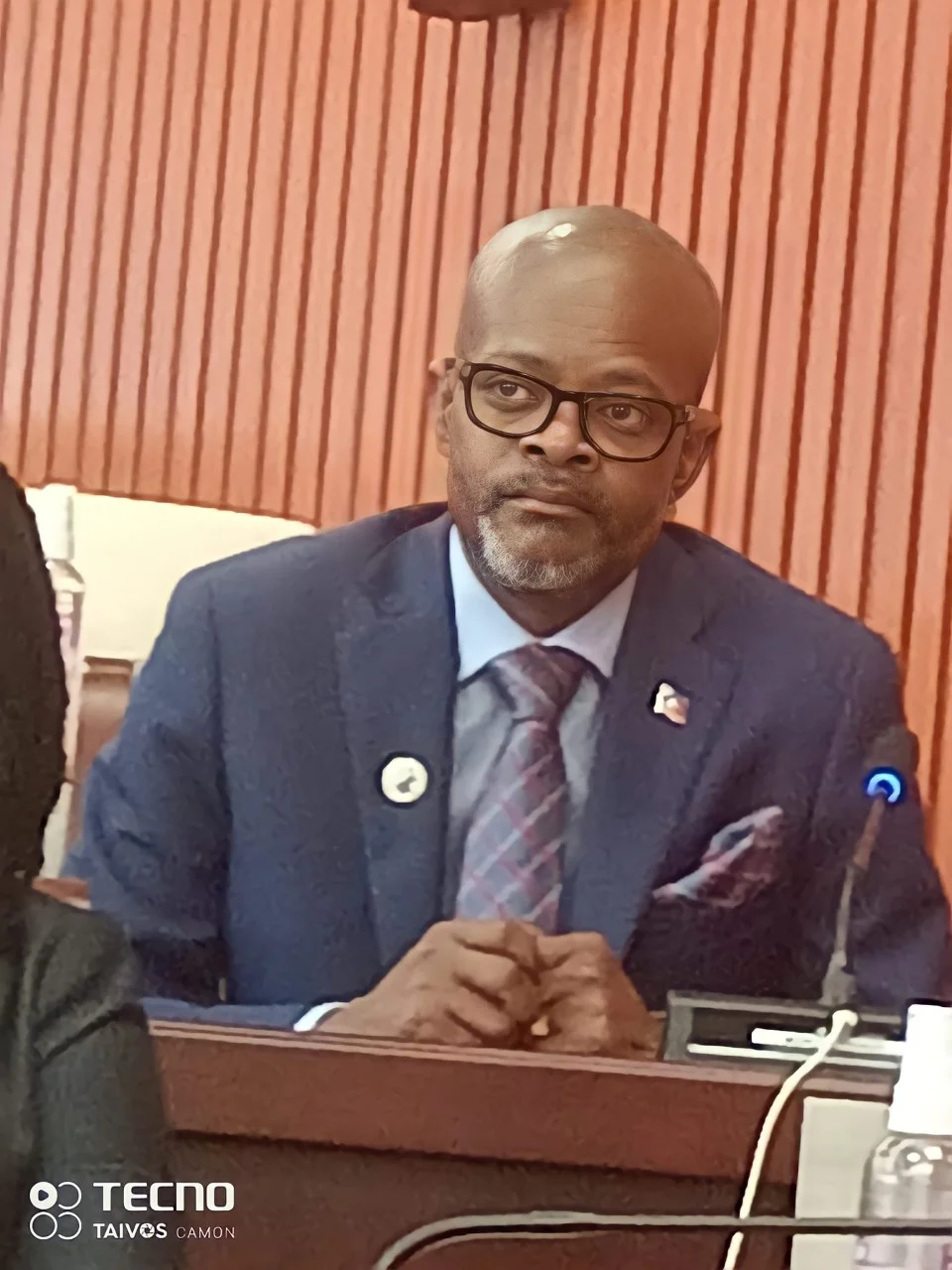
CAPITOL HILL, Monrovia, April 22, 2026 – Montserrado County Senator Abraham Darius Dillon has warned against what he termed an “insufficient timeframe” for the Legislature to grant approval for the Central Bank of Liberia (CBL) to print additional Liberian banknotes, saying the decision is too weighty to be hurried.
The Montserrado lawmaker spoke Tuesday during a public hearing with CBL Executive Governor Henry F. Saamoi, questioning whether lawmakers could make sound decisions with only a couple of days left after an initial 10-working-day period for legislative review.
The Central Bank is seeking legislative authorization to print an additional L$79 billion, a move that would expand the money supply. Dillon cautioned that such a step carries major economic implications and must be subjected to full scrutiny before any approval.
“Do you believe the two days left are sufficient for me to make that decision?” Senator Dillon asked, lamenting that Tuesday’s hearing was the first formal session convened to justify the request.
Governor Saamoi acknowledged the concern but stopped short of addressing it directly in open session, citing “executive implications” and proposing a closed-door discussion—an approach Dillon frowned on, insisting that decisions with broad public impact must be handled with openness and clarity.
During the hearing, CBL disclosed that about L$48.7 billion previously printed has been accounted for through external audits. The Bank, however, reported a 7% mutilation rate for notes in circulation, which it said is reducing the effective currency supply.
He also flagged what he called a lack of clarity on the cost of printing the proposed notes, arguing that lawmakers are being asked to authorize the exercise without detailed estimates or procurement specifics. In response, the CBL said final costs would only be determined after legislative approval allows the institution to begin procurement.
Regarding the design of the proposed banknotes, CBL said the print run would not introduce new security features but would aim to improve durability, extending the notes’ lifespan by one to two years.
Beyond policy, the hearing touched on difficulties ordinary Liberians face when commercial banks reject mutilated banknotes. The CBL clarified that banks are required to accept such notes for deposit, but must not recirculate them, urging citizens to report any institution that violates the rule.
As debate over the request continues, Dillon stressed that any action affecting Liberia’s monetary system must be guided by transparency, adequate time, and strong legislative oversight.
“Sometimes these questions are not just for us, but to educate the public,” he said. “We must ensure the people understand and trust the decisions we make.”
