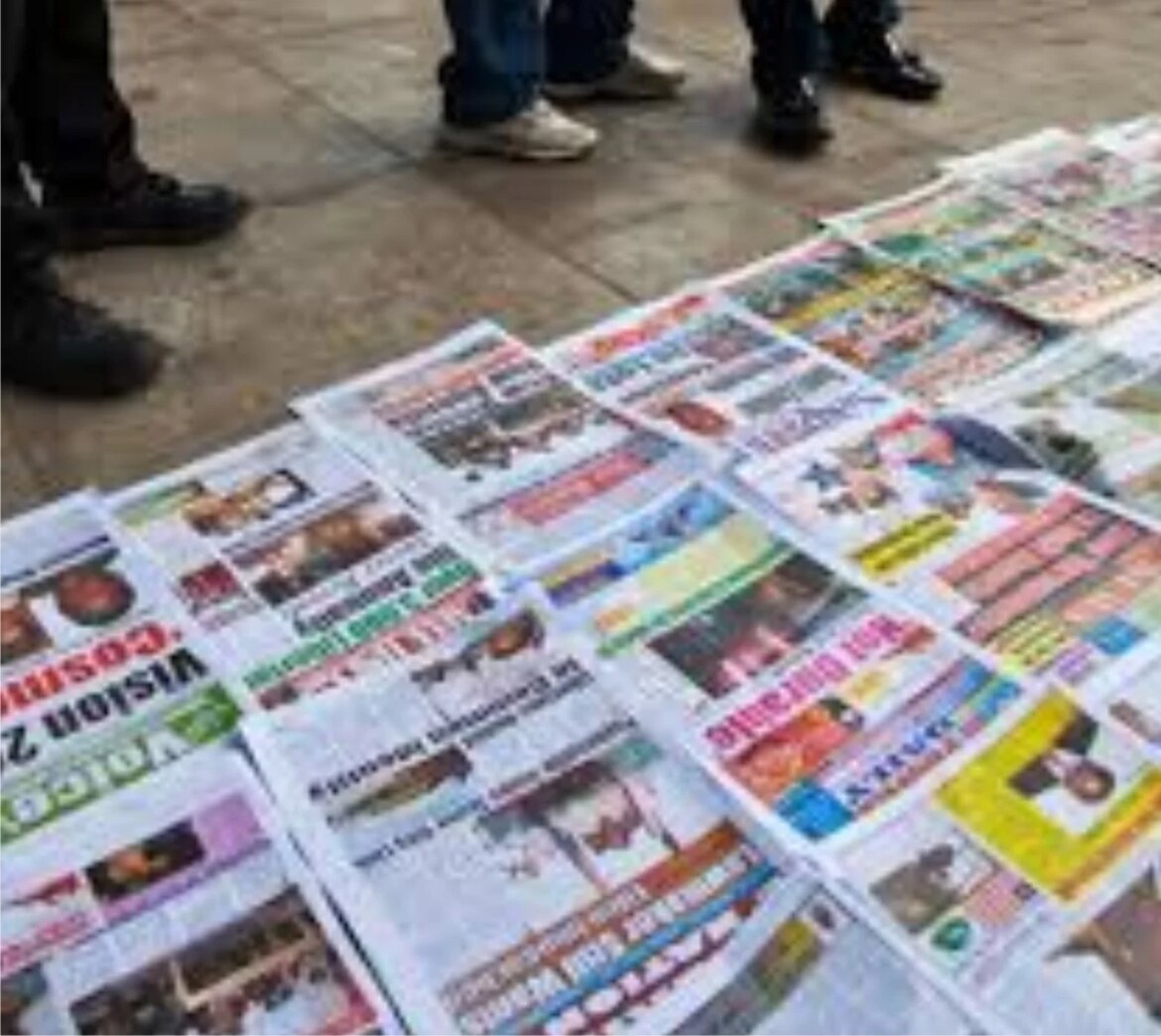
Liberia’s multiparty democracy has endured in no small measure because of press freedom and freedom of expression as enshrined in the Constitution. Yet the very media that help sustain our democracy remain dangerously fragile, while many journalists go for months without salaries.
The debate over public support for the media resurfaced over the weekend when the President of the Publishers Association of Liberia appealed openly to President Joseph Nyuma Boakai for media funding through the national budget.
That appeal was reinforced by the President of the Press Union of Liberia, who also called for the country’s state broadcasting system to be transformed into a genuine public broadcaster, insulated as far as possible from government influence.
These appeals deserve serious national attention. A functioning democracy cannot rely on a weakened press corps to investigate public spending, expose abuse, explain government policy and carry the voices of ordinary citizens into the national conversation. Where the media are financially crippled, public accountability also suffers.
For decades, Liberia’s media institutions have struggled under severe economic pressure. Many remain trapped in huge printing debts and cannot pay their employees regularly. Advertising revenue has declined sharply, while the rise of new media has further eroded the income traditional outlets once depended on.
This revenue collapse, coupled with rising operating costs, has left too many journalists exposed to hardship and dependency. The result is an environment in which corruption, compromise, and undue influence can easily flourish.
The consequences extend beyond unpaid salaries. Newsrooms without adequate resources cannot consistently deploy reporters across the country, invest in training, maintain equipment, or pursue demanding investigations. Rural communities are then heard less often, public institutions receive less scrutiny, and misinformation gains space to spread unchecked.
We at The New Dawn believe that the deepening poverty within the Liberian media poses a direct threat to the country’s democracy. The press, widely regarded as the Fourth Estate, performs an essential public duty. It therefore deserves a carefully designed system of public financing, governed by strict, transparent, and independent rules that protect editorial freedom and serve the public good.
But public financing must not be confused with government patronage. Public money belongs to the Liberian people, not to the government of the day. Any media-support mechanism financed with public resources must therefore be structured so that no President, minister, political party or government agency can determine which media institution receives support based on favorable or unfavorable coverage.
The Government must avoid any arrangement under which officials reward friendly outlets and punish critical voices. Funding decisions should be placed in the hands of an independent body, guided by published eligibility criteria, audited accounts and equal opportunity for qualified print, broadcast and digital media institutions.
Support could be directed toward clearly defined public interest needs, including journalist training, nationwide reporting, community broadcasting, newsroom technology and the timely payment of workers. Any beneficiary should be required to uphold professional ethics, demonstrate responsible financial management and remain fully independent in its editorial judgment.
As we have repeatedly stated, the media can only be truly free when it enjoys financial independence. A press that is perpetually starved of resources becomes vulnerable to manipulation, political influence, and corruption. And a compromised Press cannot effectively defend democracy.
The proposed transformation of the state broadcaster is equally important. A true public broadcaster must belong to the people, not to the administration of the day. Its leadership, financing, and editorial mandate should be protected by law so it can report fairly, provide balanced national programming, and give space to diverse viewpoints across Liberia.
Against this background, we support the call for public funding of Liberia’s media. Such support, however, must never become a tool of political control. It must be administered independently and equitably, with firm accountability standards, so that journalists and media institutions can serve the Liberian people without fear or favor and continue to hold public officials to account.
See more Liberia News Network stories in Google Search by adding LNN as one of your Preferred Sources.
★ Add LNN as a Preferred Source