
The country’s justice system in the southeastern region is under significant strain, with the Fourth Judicial Circuit Court forced to handle cases from four non-functional specialized courts due to a chronic shortage of judges, a top judicial official revealed this week.
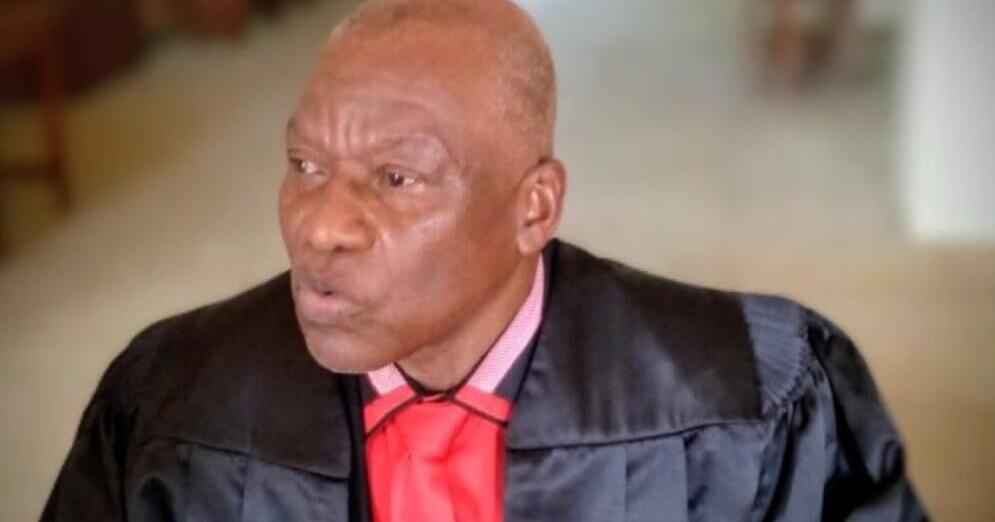
Judge Nelson Tokpa, presiding over the Fourth Judicial Circuit Court, sounded the alarm during a critical engagement with magistrates, bailiffs, public defenders, and other judiciary stakeholders in Maryland County. His remarks coincided with the official visit of Chief Justice Yamie Quiqui Gbeisay Sr., who toured the newly constructed Judicial Complex in Harper City, a facility expected to significantly improve local access to justice once fully operational.
Judge Tokpa identified the Debt Court, Traffic Court, Labor Court, and Tax Court as the hardest hit, all of which remain idle due to the absence of presiding judges.
“The absence of presiding officers has compelled our circuit court to handle matters that properly belong to these specialized jurisdictions,” Tokpa explained.
The circuit court’s overload, he warned, is contributing to a growing backlog of cases, at a time when residents across Maryland County are demanding faster and more efficient resolutions.
Tokpa also highlighted the broader operational challenges facing the judiciary, including insufficient staff to execute writs, safeguard court properties, and manage daily operations. He noted that the shortage is compounded by the reluctance of private attorneys to practice in the county’s remote southeastern location.
“We cannot sustain this burden without compromising the quality and timeliness of justice delivery,” Tokpa emphasized, urging immediate action from the Government of Liberia through the Chief Justice’s office to assign qualified judges and restore these essential courts to full operation.
Despite the strain, the judge commended Chief Justice Gbeisay for his proactive engagement in the region.
“This visit engages us all and spotlights our challenges while showcasing progress like the new judicial complex, which will greatly enhance service in Maryland County,” Tokpa said.
Maryland County Superintendent Henry B. Cole delivered welcome remarks, describing the Chief Justice’s tour as a landmark event.
“This visit is crucial for strengthening the justice system from the ground up,” Cole said, noting its potential to bridge communication gaps between local authorities and the judiciary.
He emphasized that the visit would foster collaborative solutions to service delivery shortfalls, rebuild public trust amid surging caseloads, and align county priorities with national judicial goals.
“We wish Chief Justice Gbeisay a highly productive stay and reaffirm Maryland County’s dedication to partnering on reforms that deliver tangible benefits to our residents,” Cole added.
The developments come amid heightened scrutiny of Liberia’s judiciary, including ongoing anti-corruption probes and nationwide infrastructure upgrades. Observers note that staffing gaps in specialized courts and the resulting backlog in the Fourth Judicial Circuit highlight systemic challenges in underserved regions, where remote locations and limited resources exacerbate operational inefficiencies.
The newly constructed Judicial Complex in Harper City is viewed as a critical step toward addressing these challenges, offering modern courtrooms and administrative facilities designed to improve workflow and public access.
