
In the wake of Liberia’s participation in the latest global climate negotiations, government officials, development partners, and civil society actors have gathered in Monrovia to chart a path for transforming international climate commitments into concrete national action.
The national stakeholders’ workshop, convened by the Environmental Protection Agency of Liberia in collaboration with ActionAid Liberia, comes after Liberia’s participation in the United Nations Climate Change Conference COP30.
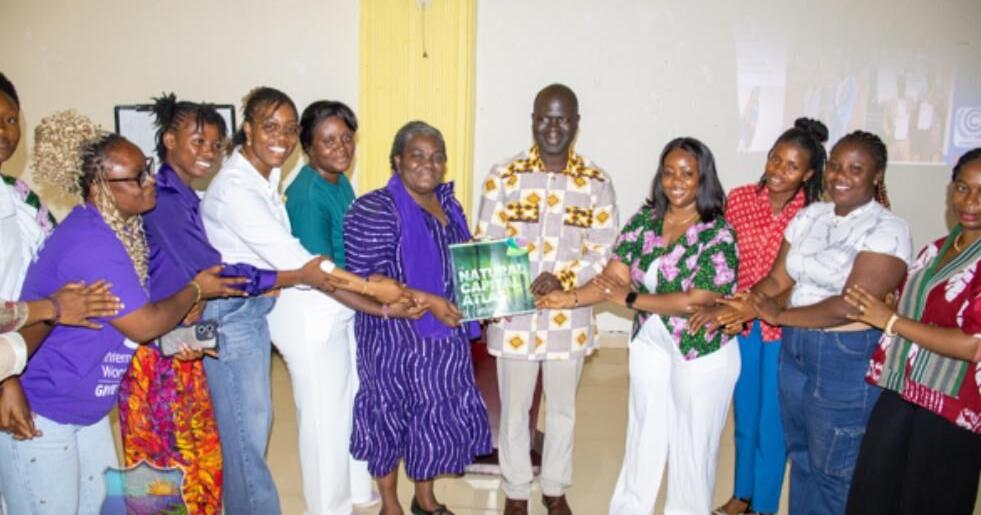
The forum brought together representatives from government institutions, civil society organizations, youth groups, academia, and the private sector to examine how the outcomes of the global summit can be aligned with Liberia’s domestic development priorities.
Organizers said the meeting was designed to bridge a longstanding gap between global climate diplomacy and local implementation.
For many developing countries like Liberia, participation in international climate conferences often produces ambitious commitments that are difficult to implement due to financial and institutional constraints.
The workshop therefore focused on translating the country’s climate commitments into policies and programs that support the government’s ARREST Agenda for Inclusive Development, the flagship economic strategy of the administration of Joseph Nyuma Boakai.
Discussions covered several key areas, including Liberia’s diplomatic engagements during COP30, opportunities for financing climate adaptation and forest conservation, and strategies for strengthening collaboration among government agencies and development partners.
Participants also examined mechanisms for accessing global climate financing, including forest-related funding initiatives such as the Tropical Forest Forecasting Facility.
Experts say these financial instruments could become critical for Liberia, which possesses some of West Africa’s largest remaining tropical forests.
Delivering the keynote remarks, Emmanuel King Urey Yarkpawolo, Executive Director of the Environmental Protection Agency of Liberia, said Liberia’s engagement at COP30 marked an important shift in the country’s role in global climate negotiations.
“Our success at COP30 was not just about showing up; it was about securing Liberia’s future,” Yarkpawolo told participants.
“We have returned with clear mandates on forest financing and adaptation. This workshop is about ensuring that the Ministry of Agriculture, the Forestry Development Authority, and our local communities are all reading from the same playbook to turn these global promises into tangible projects.”
According to him, Liberia is now positioning itself as a stronger voice in international climate diplomacy, particularly in discussions surrounding forest conservation and environmental justice.
Liberia’s forests are globally significant carbon sinks, and climate advocates say protecting them could unlock substantial climate financing while supporting sustainable development.
Yarkpawolo noted that as Liberia prepares its updated climate commitments under the Paris Agreement, specifically its forthcoming Nationally Determined Contributions (NDC 3.0), the workshop represents an opportunity to domesticate international agreements into practical national policies.
For civil society organizations, however, the success of climate policies will ultimately depend on whether they benefit vulnerable communities.
Speaking at the event, Elizabeth Dato Gbah, Country Director of ActionAid Liberia, stressed that climate action must extend beyond policy discussions and reach communities most affected by climate change.
“ActionAid is proud to partner with the EPA in this effort,” she said.
“For us, the outcomes of COP30 must reach the woman farmer in Gbarpolu and the youth in Grand Kru. We are here to ensure that climate finance is not just a high-level conversation, but a resource that builds resilience at the grassroots level.”
Her remarks reflect growing global concern that climate financing often remains concentrated at the national level without adequately reaching communities on the frontlines of climate change.
In Liberia, smallholder farmers, coastal communities, and rural women are particularly vulnerable to climate-related challenges such as flooding, unpredictable rainfall, and declining agricultural productivity.
Representatives of development partners also emphasized the complexity of accessing international climate funding.
Aliou Dia, Resident Representative of the United Nations Development Program, reaffirmed the agency’s commitment to supporting Liberia’s climate agenda.
Dia noted that Liberia will require sustained technical assistance to navigate the administrative and regulatory processes required to secure international climate financing.
These include emerging funding streams such as the Loss and Damage Fund, which was established to support countries most vulnerable to climate impacts.
“UNDP remains a key partner in helping Liberia access global climate financing and strengthen institutional capacity,” Dia said, emphasizing that technical expertise and strong governance frameworks are essential to unlocking climate investment.
For policymakers, climate action is increasingly being framed not only as an environmental issue but also as a development strategy.
Liberia’s vast forests, which cover more than 40 percent of the country’s land area, represent both an environmental asset and a potential economic opportunity through carbon markets, conservation financing, and sustainable forestry initiatives.
Experts say aligning climate policy with national development plans could enable Liberia to attract billions of dollars in climate-related investments while promoting sustainable economic growth.
The workshop also provided stakeholders with an early briefing on Liberia’s preparations for the next round of global negotiations at United Nations Climate Change Conference COP31.
Participants emphasized that maintaining momentum from COP30 will require stronger collaboration between government agencies, development partners, and civil society organizations.
For Liberia, the challenge now lies not only in negotiating climate commitments internationally but also in implementing them effectively at home.
Dr. Yarkpawolo reminded participants that the real measure of success will be whether global climate diplomacy leads to tangible improvements in the lives of Liberians.
“This workshop is about turning promises into projects,” he said. “If we succeed, climate action will not just protect our forests — it will protect our people and our future.”
