By Lewis S. Teh
Monrovia, Liberia, August 6, 2026 – The Governance Commission (GC) and the Monrovia City Corporation (MCC) have agreed to strengthen collaboration in waste management and civic engagement, as authorities seek practical solutions to Monrovia’s worsening sanitation and flooding challenges.
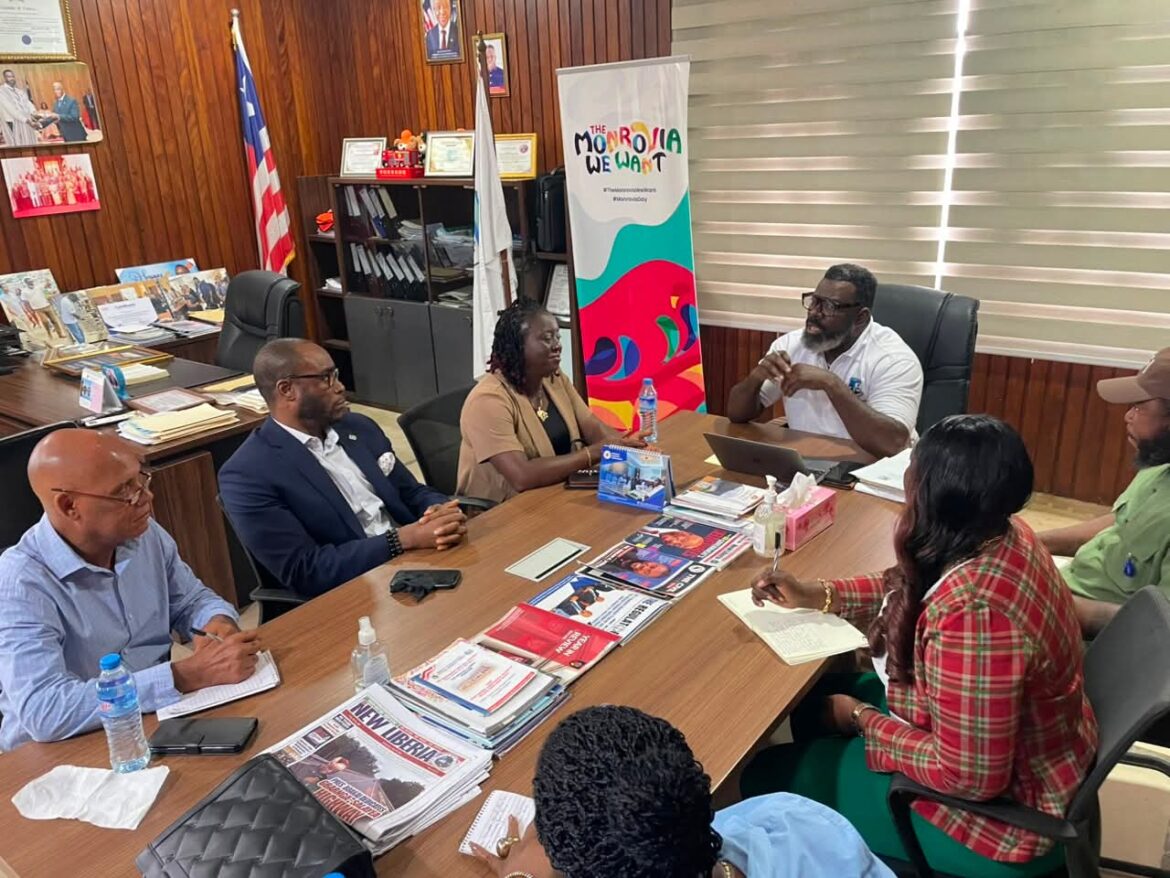
The agreement was reached during a collaborative meeting at the MCC Conference Hall, led by the GC’s Civic Engagement and National Identity/Visioning (CENIV) Mandate Area.
Speaking during the meeting, CENIV Commissioner at the Governance Commission, Cytirus K. Kerbay, said sanitation must be treated not only as an environmental concern, but also as a matter of civic responsibility. She said the Commission will support civic engagement, public awareness, behavior change programs, and policy work aimed at encouraging citizens to keep their communities clean.
GC Executive Director Jallah C. Kesselly also reaffirmed the Commission’s governance and policy advisory role, stressing that stronger institutional collaboration is essential to achieving sustainable sanitation outcomes.
Welcoming the GC delegation, Monrovia City Mayor John C. Siafa outlined ongoing reforms at the Corporation, including implementation of a five-year strategic plan, the establishment of a one-stop service center to improve service delivery, and institutional restructuring.
Mayor Siafa, however, acknowledged major challenges facing waste management in the capital, including limited enforcement capacity, weak Public-Private Partnership (PPP) regulations, and inadequate community participation in proper waste disposal. Officials noted that poor waste management continues to contribute to flooding, environmental degradation, and public health risks across Monrovia.
At the close of the meeting, both institutions agreed to jointly review a Sanitation Policy and Behavior Change Framework, establish a structured collaboration mechanism, convene technical sessions to coordinate implementation, and identify pilot communities where sanitation and behavior change interventions will be tested.
Officials said the pilot communities will demonstrate how improved civic engagement and responsible waste management can lead to cleaner and healthier neighborhoods. They said the partnership underscores a shared commitment to strengthening environmental governance and promoting civic responsibility in the capital.
“By linking policy, public awareness, and local action, we can change how citizens and institutions approach waste management,” Commissioner Kerbay stated. The GC and MCC pledged to dispatch technical teams in the coming weeks to finalize the framework and begin activities in the selected pilot areas.
See more Liberia News Network stories in Google Search by adding LNN as one of your Preferred Sources.
★ Add LNN as a Preferred Source