Liberia is on the brink of crossing the historic US$1 billion revenue threshold, with the Liberia Revenue Authority (LRA) announcing Wednesday, September 2, 2026, that government revenue collections have surged to US$954.7 million for Fiscal Year 2026.
The latest figure leaves the government just US$45.3 million short of the US$1 billion-mark, which authorities are confident could be reached before the end of September.
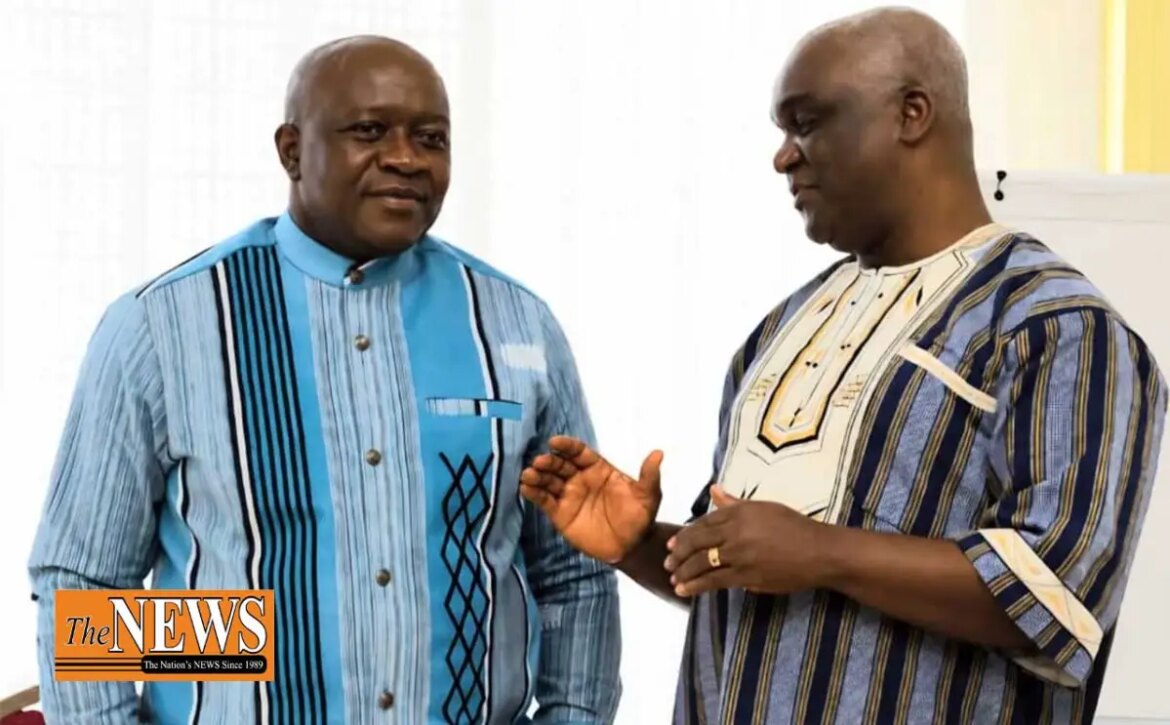
Speaking, LRA Commissioner-General James Dorbor Jallah disclosed the figures during a Revenue Performance and Revenue Measures and Policies Review Meeting in Monrovia, describing the performance as the product of sustained coordination among the LRA, Ministry of Finance and Development Planning (MFDP) and other government institutions.
“As of this morning, we can report that we have raised US$954.7 million in revenue, thanks to the collaboration we continue with the Ministry of Finance and Development Planning and other entities,” Jallah said.
With nearly US$955 million already mobilized, the LRA Commissioner-General expressed confidence that Liberia will cross the US$1 billion threshold this month and continue pushing toward the government’s broader US$1.3 billion revenue target for 2026.
Achieving the US$1 billion mark would represent a major fiscal milestone for the government as it seeks to mobilize more resources domestically to finance development programs while reducing the country’s dependence on external assistance.
The LRA is banking on tighter tax administration and new technology-driven collection mechanisms to sustain the momentum. Among the measures being rolled out are electronic fiscal devices designed to reduce revenue leakages, strengthen compliance, simplify tax processes and improve real-time monitoring of collections.
Finance and Development Planning Minister Augustine Kpehe Ngafuan, speaking earlier at the meeting, said the strong revenue performance demonstrates what can be achieved through closer cooperation between the government’s fiscal and revenue institutions.
But Ngafuan cautioned against complacency, urging the LRA and other revenue-generating entities to intensify efforts to mobilize additional domestic resources as public expectations for roads, healthcare, education, agriculture and other basic services continue to rise.
“We have to keep the focus because the more we do, the more we are challenged to do because the expectations of our people are high,” Ngafuan said.
“The first-year implementation report of the AAID proves we are on track to achieving our AAID targets in many sectors, including roads, health, education, and agriculture. We have done much, but there is much more we must do and will do,” the finance minister added.
Ngafuan encouraged technical teams at the LRA and MFDP to strengthen tax compliance, improve revenue administration and deepen engagement with taxpayers to ensure that government captures revenues legally due the state.
The finance minister said stronger domestic resource mobilization remains central to Liberia’s fiscal sustainability and the implementation of President Joseph Nyuma Boakai’s ARREST Agenda for Inclusive Development (AAID).
Government officials believe crossing the US$1 billion revenue mark would provide additional fiscal space to fund critical national priorities and demonstrate progress in Liberia’s drive toward greater financial self-reliance.
For Jallah and Ngafuan, however, the US$954.7 million collected so far is not the finish line. With US$45.3 million separating Liberia from the billion-dollar mark, and an ambitious US$1.3 billion target still ahead, the pressure is now on the country’s revenue machinery to turn the September projection into reality.
See more Liberia News Network stories in Google Search by adding LNN as one of your Preferred Sources.
★ Add LNN as a Preferred Source