
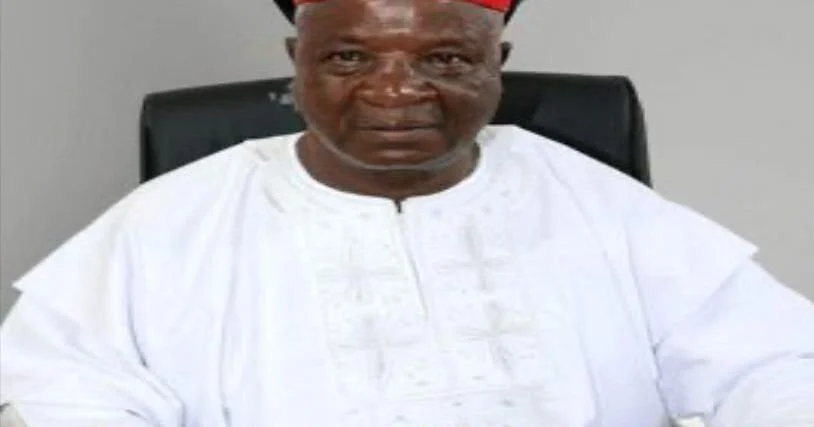
The Liberian House of Representatives has raised fresh concerns over what lawmakers described as coordination and oversight deficiencies in the implementation of the country’s decentralization agenda under the Local Government Act of 2018, with the Minister of Local Government now expected to appear before plenary for questioning.
The decision was taken unanimously by members of the House during Tuesday’s sitting following a formal communication submitted to plenary regarding ongoing implementation activities linked to the Local Government Act across Liberia’s counties and districts.
As part of the decision, the House mandated the Minister of Local Government to appear before the full plenary on Thursday, May 21, 2026, at 11:00 a.m. to provide a comprehensive briefing on the status of the rollout process, coordination efforts, and the Ministry’s engagement with lawmakers representing affected constituencies.
According to the communication, lawmakers acknowledged that the implementation of the Local Government Act remains a critical component of Liberia’s broader governance reform agenda aimed at deepening decentralization, improving citizen participation, and strengthening local administration structures across the country.
However, concerns were raised that several ongoing activities by the Ministry of Local Government in counties and districts are allegedly being carried out without sufficient consultation or prior briefing to Senators and Representatives whose constituencies are directly affected by the implementation process.
The communication noted that “series of engagements by the Local Government in counties and districts” are reportedly proceeding without lawmakers being adequately informed or involved.
Lawmakers warned that the situation raises serious concerns regarding intergovernmental coordination, compliance with legislative oversight responsibilities, and procedural accountability within the country’s decentralization framework.
Members of the House further cautioned that failure to address such coordination gaps could potentially weaken the objectives of the Local Government Act and undermine efforts intended to empower local communities and improve governance at the subnational level.
“The implementation of the Act is central to Liberia’s governance reform and citizen participation agenda,” the communication emphasized, while warning that the absence of proper coordination between the Executive and Legislative branches could create unnecessary tensions and slow progress in the decentralization process.
The House also stressed that decentralization efforts must be implemented in a manner that promotes transparency, inclusiveness, and cooperation among all stakeholders, especially elected officials who directly represent local communities.
The Local Government Act of 2018 is regarded as one of Liberia’s most significant governance reform laws since the end of the country’s civil conflict.
Signed into law to advance decentralization, the Act seeks to transfer certain administrative, fiscal, and political powers from the central government in Monrovia to local authorities across Liberia’s fifteen counties.
The legislation was introduced as part of broader national efforts to strengthen democratic governance, improve accountability, and ensure that citizens at the local level have greater participation in decision-making processes affecting their communities.
Under the Act, County Councils, District Councils, and other local governance structures are expected to play increased roles in local development planning, budgeting, and oversight of public services.
The law also aims to improve service delivery in areas such as education, healthcare, sanitation, infrastructure, and community development by bringing governance closer to the people.
The Act further provides for enhanced participation of women, youth, persons with disabilities, and marginalized groups in local governance processes, while promoting transparency and accountability in the management of county development resources.
Implementation of the law, however, has faced several challenges over the years, including limited funding, capacity constraints, delays in operationalizing key provisions, and concerns over coordination between national institutions and local authorities.
Political observers note that tensions surrounding the implementation process often emerge because decentralization reforms directly affect the distribution of political authority, administrative responsibilities, and development resources between the central government and local actors.
The House’s latest intervention is therefore being viewed as part of broader legislative efforts to ensure that the implementation of the Local Government Act proceeds in accordance with the law and with adequate consultation among all branches of government.
