
By Amos Harris
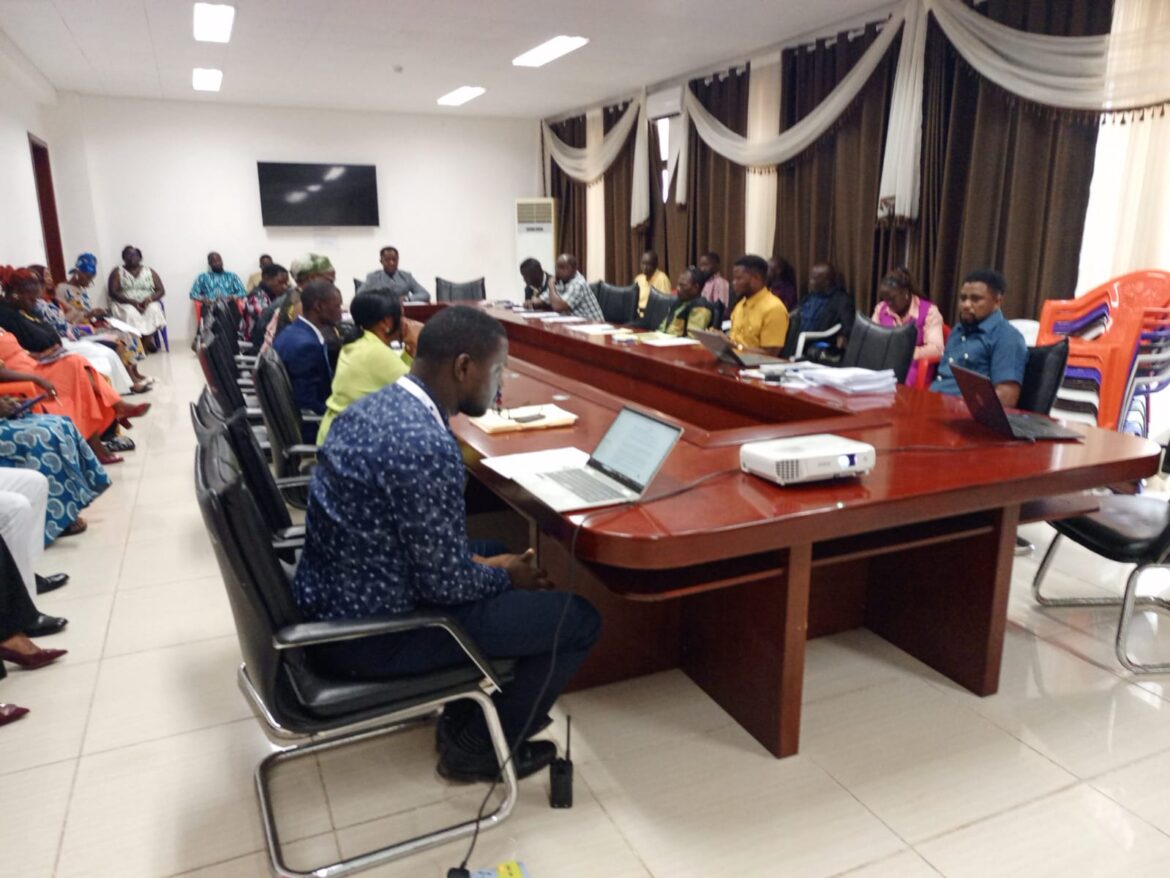
In a sustained effort to strengthen transparency and accountability across public institutions, the Independent Information Commission (IIC) has conducted high-level Freedom of Information (FOI) compliance training at the Ministry of Labor. The session, facilitated by Acting Compliance Director Armah Boimah Johnson, forms part of a nationwide initiative aimed at reinforcing adherence to the Freedom of Information Act across various Ministries, Agencies, and Commissions.
The engagement focused primarily on strengthening institutional systems, enhancing compliance performance, and ensuring that public entities effectively meet their legal obligations under the FOI framework. During the session, Mr. Johnson highlighted Liberia’s pioneering role in promoting access to information within Africa. He noted that the enactment of the FOI Act on September 16, 2010, positioned Liberia as the first country in West Africa to adopt such a comprehensive law and the first on the continent to establish an independent oversight body for its implementation.
Mr. Johnson further explained that Liberia’s FOI regime is grounded in both national and international legal frameworks. These include Article 15(c) of the 1986 Constitution of Liberia, Article 19 of the Universal Declaration of Human Rights, and the African Charter on Human and Peoples’ Rights, all of which affirm the fundamental rights of citizens to access public information.

The training provided detailed guidance on the statutory responsibilities of public institutions, such as the designation of Public Information Officers and the establishment of Internal Information Request Review Bodies. Discussions also covered the development of functional institutional websites and the proactive disclosure of essential public documents. Participants were reminded of their obligation to produce and submit annual compliance reports to the Commission, which serves as a key metric for measuring institutional transparency.
Practical instruction was also offered regarding the handling of information requests. This included the importance of timely acknowledgment, strict adherence to response deadlines, and the proper procedures for transferring requests when necessary. The session clarified the legal grounds for denying requests, stressing that any refusal must be justified under specific exemptions outlined in the FOI Act and must satisfy public interest considerations.
Mr. Johnson emphasized the importance of fostering a culture of openness within public institutions while maintaining appropriate confidentiality in line with legal and ethical standards. He noted that transparency should be viewed not just as a compliance requirement, but as a strategic tool for enhancing public trust, improving governance outcomes, and minimizing corruption risks.
The IIC reaffirmed its commitment to supporting all government institutions, including the Ministry of Labor, in building robust compliance systems. The Commission disclosed that similar capacity-building initiatives are being rolled out across various government entities as part of its broader mandate to promote transparency nationwide. As Liberia continues to consolidate its democratic gains, the Commission is urging all public institutions to take proactive steps toward full compliance, emphasizing that access to information remains a cornerstone of good governance.
The training was attended by several high-ranking officials, including Labor Minister Cllr. Cooper W. Kruah and Deputy Minister for Planning and Manpower Development Steven S. Kolubah. Other participants included Assistant Minister Emmanuel K. Bannce, Director of Planning George H. Mbayo, and Deputy Minister for Administration Othello Mansou. Minister Kruah expressed his appreciation to the IIC for the timely training, noting that it has significantly enhanced the Ministry’s understanding of FOI compliance and will contribute to improved service delivery and institutional transparency.
