By Edwin N. Khakie
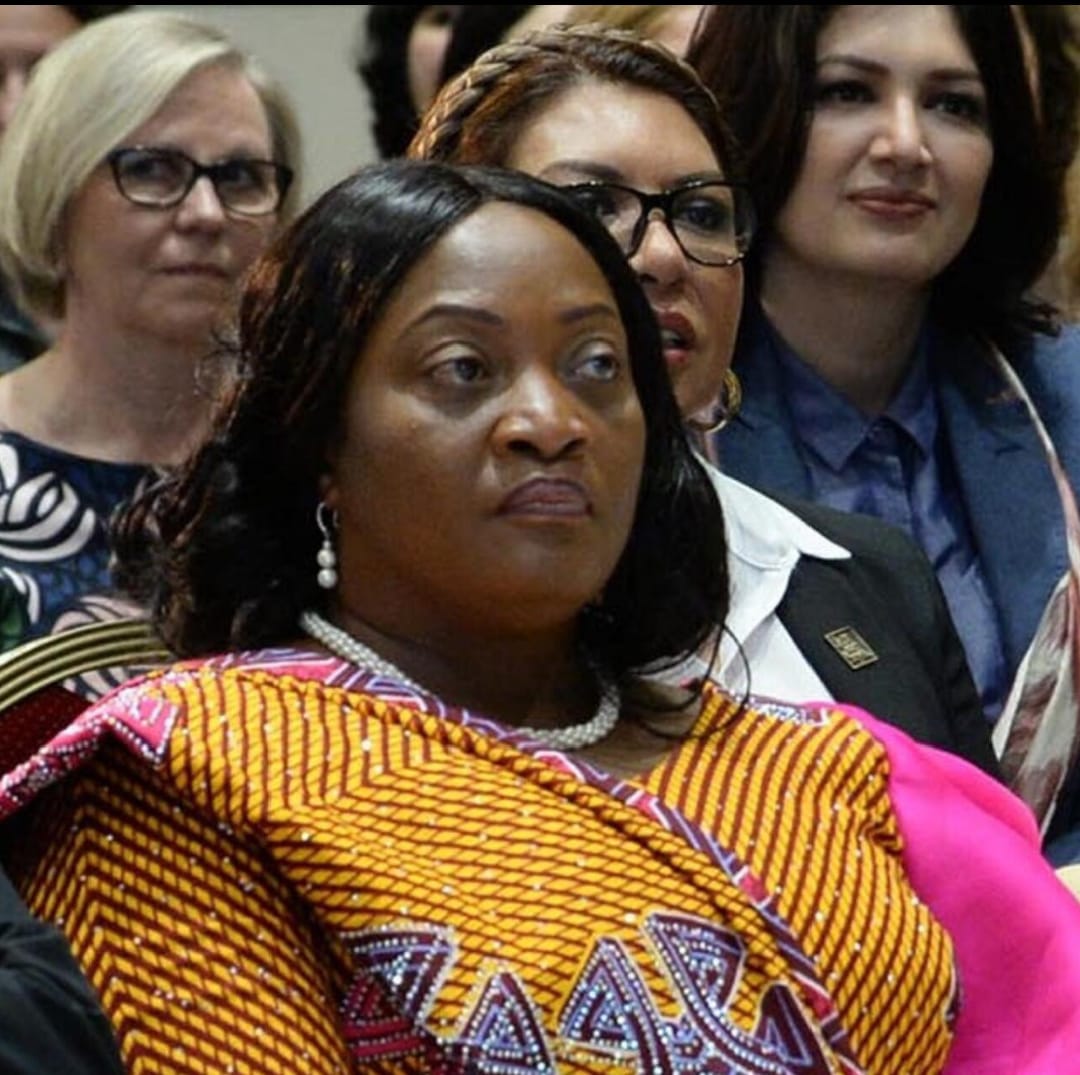
GBARNGA, Bong County, August 11, 2026 – Former Vice President Jewel Howard-Taylor has hit back at Bong County Senator Prince Kermue Moye Sr., rejecting his claim that she was “in bondage” under former President George Manneh Weah and accusing Moye and other Bong leaders of failing to adequately protect the county’s interests.
Howard-Taylor argued that while she faced challenges during her tenure as vice president, those difficulties did not prevent Bong County from benefiting from government projects and interventions under the Weah administration.
“There’s a saying in Bong County that says, once you’re naked and others are naked too, don’t move your hand from in front of you to cover the other people who are naked as well,” Howard-Taylor said.
“Prince Moye and others moved their hands from in front of themselves and gave it to Lofa and Nimba to cover themselves. During our time, there were a lot of things that were done in Bong County,” she added.
Her comments were in response to Moye’s characterization of her tenure as vice president, during which he reportedly claimed she was “in bondage” and unable to effectively advance Bong County’s interests under the Weah administration.
Howard-Taylor rejected that characterization, insisting that her position in the government helped secure benefits for the county despite political and administrative challenges.
“That is not true. I was not in bondage,” she said. “If I was in bondage, the projects and the interventions that the Weah-led government did in Bong County would have never come to pass.”
The former vice president argued that public leadership should be measured by benefits delivered to citizens rather than the personal experiences of individual officeholders.
“When you’re in a leadership position, it’s not about you. And that’s the point I want to make,” she said.
Howard-Taylor acknowledged encountering difficulties while serving as vice president but maintained that such challenges were part of political leadership and should not be interpreted as evidence that Bong County was marginalized.
“I might have had some challenges, but everybody has challenges regardless of where you work,” she said.
“But in the end, was Bong County marginalized? I said no. Bong County was not marginalized.”
She maintained that disagreements and challenges within the Weah administration did not prevent Bong County from receiving what she described as its lawful share of government resources and development interventions.
“Challenges ensued, but the fact of the matter is, did the challenges that ensued stop Bong County from getting its lawful benefits? No, it did not,” Howard-Taylor said.
The former vice president’s comments deepen an emerging political dispute over the performance of Bong County’s past and current leaders and their roles in securing development opportunities for the county.
The exchange also adds to political maneuvering in Bong as politicians increasingly debate their records, alliances and influence ahead of the 2029 presidential and legislative elections.
See more Liberia News Network stories in Google Search by adding LNN as one of your Preferred Sources.
★ Add LNN as a Preferred Source