
By: Kruah Thompson
Monrovia, May 7, 2026 — As part of ongoing efforts to empower local businesses and boost citizen participation in the national economy, President Joseph Boakai has directed that certain business activities, including the sale of used clothing, be reserved exclusively for Liberian citizens.
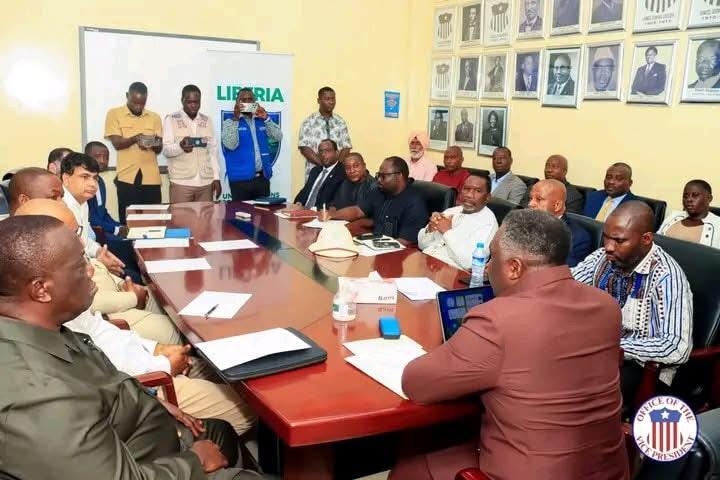
The announcement follows high-level consultations led by Vice President Jeremiah Kpan Koung with local business stakeholders on Wednesday, May 6, 2026, at the Ministerial Complex in Congo Town. The meeting brought together business leaders, manufacturers, Liberian distributors, and members of the judiciary to discuss strategies to strengthen the industrial sector, improve supply chains, and expand opportunities for domestic production and trade.
Speaking at the meeting, Vice President Koung announced that full enforcement of these measures will begin within 30 days. He noted that business leaders, including Cite Brother and City Builders, have agreed to collaborate with the Liberia Business Association and the Chamber of Commerce to focus on manufacturing and engage Liberian distributors in the sale of their products.
Koung emphasized that certain businesses, such as the sale of used clothing, are already legally reserved for Liberians, but many of these enterprises are currently dominated by foreign nationals. He cautioned against the practice of Liberians serving as fronts for foreign investors, warning that this undermines the intent of the new policy.
“Liberians who have been looking for opportunities to invest should get ready, because these businesses will be returned to Liberian hands,” he stated.
The Vice President also announced stricter requirements for foreign investors: new entrants must meet higher financial thresholds, and violators risk having their permits revoked. He confirmed that the directive has full backing from President Boakai and will be enforced without exception.
During the session, several Liberian-owned companies—including Jungle Water, Bill Delamou Trading, and Exodus Entertainment Center—expressed readiness to expand their distribution of locally manufactured products. They cited their operational capacity and pledged to maintain steady supplies nationwide, while strengthening partnerships with Liberian-owned retail businesses.
However, participants also voiced concerns about potential attempts to circumvent the regulations through proxy arrangements and called for strict monitoring and enforcement.
As a next step, the group agreed to broaden consultations to include producers, manufacturers, and distributors, aiming to build a coordinated distribution system, ensure market stability, and support long-term growth in Liberia’s commercial sector.
