
BREWERVILLE, MONTSERRADO COUNTY – As political discussions surrounding Liberia’s 2029 presidential and general elections continue to gain momentum, calls are emerging for a third political lane that could offer an alternative to the country’s established political parties.
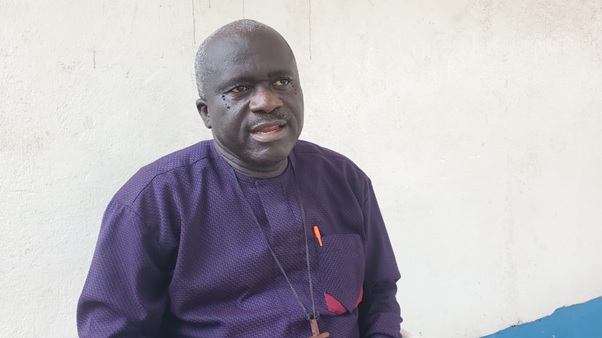
Bishop Kortu Brown has welcomed the idea of exploring a third political lane but cautioned that such an initiative must represent genuine political change rather than a rebranding of familiar political interests.
According to Bishop Brown, the call for a third political option deserves serious consideration amid growing demands for transformational development, accountability, national healing, and improved governance.
He believes there is a need for an open and genuine national conversation on the proposal, with the aim of strengthening governance, upholding the rule of law, and promoting comprehensive national development.
However, Bishop Brown stressed that any third political lane must be fundamentally different from the existing political arrangements.
“Liberia needs a real Third Lane. It can’t be the same old man beggar in new clothes,” he said, warning against political movements that promise change but ultimately reproduce the same practices and interests that have disappointed the Liberian people.
Reflecting on Liberia’s political history, Bishop Brown recalled the political experiences of the 1980s, when slogans and promises generated public enthusiasm but failed to deliver the expected transformation.
He referred to the experience as the “same 6 and 7 Books of Moses,” recalling a period when people sang and danced in anticipation of change but were eventually left disappointed.
According to him, the consequences of Liberia’s political failures were devastating, as the country experienced deep divisions, killings, invasions, and civil war.
Bishop Brown argued that political change without a genuine commitment to addressing the country’s fundamental problems serves little purpose and wastes the time and expectations of ordinary Liberians.
He noted that many Liberians embraced political change without fully understanding the devastating consequences that would follow, a historical lesson he believes should guide the country’s current political discussions.
He further maintained that the pursuit of political power without sincere national objectives has contributed to the continuing dissatisfaction among ordinary citizens, many of whom remain eager for a credible alternative capable of addressing their concerns.
Bishop Brown urged Liberians to be honest with themselves about what they want from a new political movement, emphasizing that calls for change must be backed by a genuine willingness to transform the country.
“Liberians will not buy an empty third lane,” he cautioned, suggesting that any movement lacking substance, credibility, and a clear commitment to national development would struggle to attract lasting public support.
He also questioned the motivations of those promoting the idea, stressing that the credibility of a third political lane would depend significantly on the character, intentions, and qualifications of the people leading it.
According to Bishop Brown, the initiative must not become a platform for political rivals seeking to settle personal scores, retaliate against former associates, or deceive the electorate for individual advantage.
Instead, he said, a genuine third political lane should bring together a new generation of sincere, competent, and professional Liberians who are committed to advancing the political, economic, social, and religious interests of ordinary citizens.
While acknowledging that the ruling Unity Party and the opposition Coalition for Democratic Change have established themselves as recognizable political brands with substantial followings, Bishop Brown observed that their continued presence has not eliminated the public desire for a different political direction.
He suggested that the demand for an alternative reflects a continuing search among Liberians for leadership that can respond meaningfully to their aspirations and deliver tangible improvements in their lives.
For Bishop Brown, the emergence of a third political lane should therefore be about more than creating another party, assembling a coalition, or introducing new political personalities. It must represent a sincere commitment to responsible leadership, national reconciliation, economic opportunity, social progress, and accountable governance.
As Liberia approaches another electoral cycle, his message is that any movement seeking to present itself as an alternative must demonstrate from the beginning that it is prepared to break with the political practices that have repeatedly frustrated the public’s expectations.
A credible third political lane, he maintains, must offer Liberians more than a new name or a fresh campaign slogan. It must present a genuine vision for national transformation and demonstrate that its leaders are prepared to serve the people rather than pursue personal interests.
See more Liberia News Network stories in Google Search by adding LNN as one of your Preferred Sources.
★ Add LNN as a Preferred Source