By Contributing Staff Writer
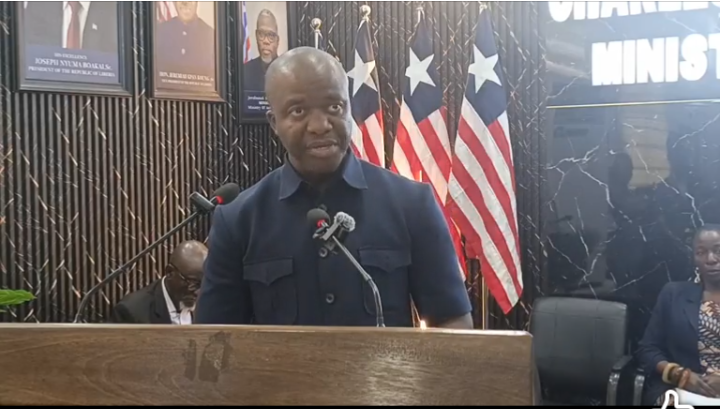
MONROVIA, Liberia, August 30, 2026 — Liberia Telecommunications Authority (LTA) Board Chairman Clarence K. Massaquoi is facing mounting pressure to disclose revenues generated from the country’s International Gateway Monitoring System since the regulator assumed temporary control of the operation.
The calls for disclosure come from journalists, civil society organizations and accountability advocates seeking clarity on how much revenue has been collected and managed by the LTA since the government suspended its arrangement with Telecom International Alliance (TIA).
Massaquoi has declined to provide the figures publicly, reportedly maintaining that he is accountable to President Joseph Nyuma Boakai rather than to groups demanding disclosure.
He has also declined to state how much revenue the system generated over the past year, a position that has intensified scrutiny of the LTA’s management of proceeds from the telecommunications traffic monitoring system.
The controversy comes months after President Boakai suspended the LTA’s agreement with TIA and placed temporary management of the International Gateway Monitoring System under the Authority.
On November 3, 2025, President Boakai issued Executive Order No. 154 suspending the arrangement following concerns raised by Liberia’s procurement and accountability institutions over alleged irregularities surrounding the agreement.
The Public Procurement and Concessions Commission (PPCC) had also raised concerns about aspects of the procurement process and circumstances surrounding TIA’s establishment.
Following the government’s intervention, the LTA assumed temporary management of the gateway monitoring system.
The Authority has rejected allegations of corruption in its handling of the system and indicated its willingness to cooperate with an independent financial audit to establish revenues generated during its management.
However, calls for immediate disclosure have persisted, with critics demanding to know how much has been collected, where the money was deposited and how the funds have been managed.
Massaquoi’s reported assertion that he is answerable to President Boakai has also fueled debate over the accountability obligations of officials managing public institutions and state-generated revenues.
Liberia’s General Auditing Commission, Liberia Anti-Corruption Commission and Public Procurement and Concessions Commission have statutory responsibilities relating to various aspects of public financial management, corruption and procurement.
Civil society organizations and journalists have also continued to press public institutions for information concerning the management of state resources.
The controversy comes as the LTA has publicly committed itself to transparency and accountability.
In July 2026, the LTA Board signed a performance contract outlining targets focused on accountability, transparency and service delivery.
The Authority said at the time that the agreement established benchmarks against which its performance would be evaluated.
Meanwhile, Massaquoi has disclosed that TIA could pursue legal action over the suspension of its arrangement, saying he had received correspondence from the company’s lawyers.
Sources at the LTA, however, say TIA had not formally communicated with the Authority at the time Massaquoi made the disclosure. The contents of the reported correspondence have not been made public.
The potential legal dispute has added another dimension to the controversy surrounding the gateway system, which has remained under scrutiny since the government intervened in the TIA agreement.
Accountability advocates maintain that an independent audit could establish how much revenue has been generated, the accounts into which collections were deposited and how the funds have been transferred or utilized.
The Center for Transparency and Accountability in Liberia (CENTAL) and other civil society organizations have repeatedly advocated greater transparency in the management of public resources and government contracts.
The dispute could also present an accountability test for the Boakai administration, which has repeatedly pledged greater transparency and responsible management of public resources.
President Boakai’s decision to suspend the TIA arrangement was itself prompted by concerns surrounding the contract and recommendations from public accountability institutions.
With the LTA now managing the system, attention has shifted to how much revenue has been collected under the Authority’s control and how those proceeds have been accounted for.
An independent audit could provide an authoritative record of the total revenue generated, the period covered by the collections, where the money was deposited and how it was subsequently managed.
Until those figures are publicly established or independently verified, scrutiny of the LTA’s management of the International Gateway Monitoring System is likely to continue.
See more Liberia News Network stories in Google Search by adding LNN as one of your Preferred Sources.
★ Add LNN as a Preferred Source