By Stephen G. Fellajuah
PAYNESVILLE, Liberia, August 13, 2026 — The National Elections Commission (NEC) is proposing a significant increase in candidate registration fees ahead of the 2029 General Elections as part of broader electoral reforms aimed at strengthening Liberia’s electoral system.
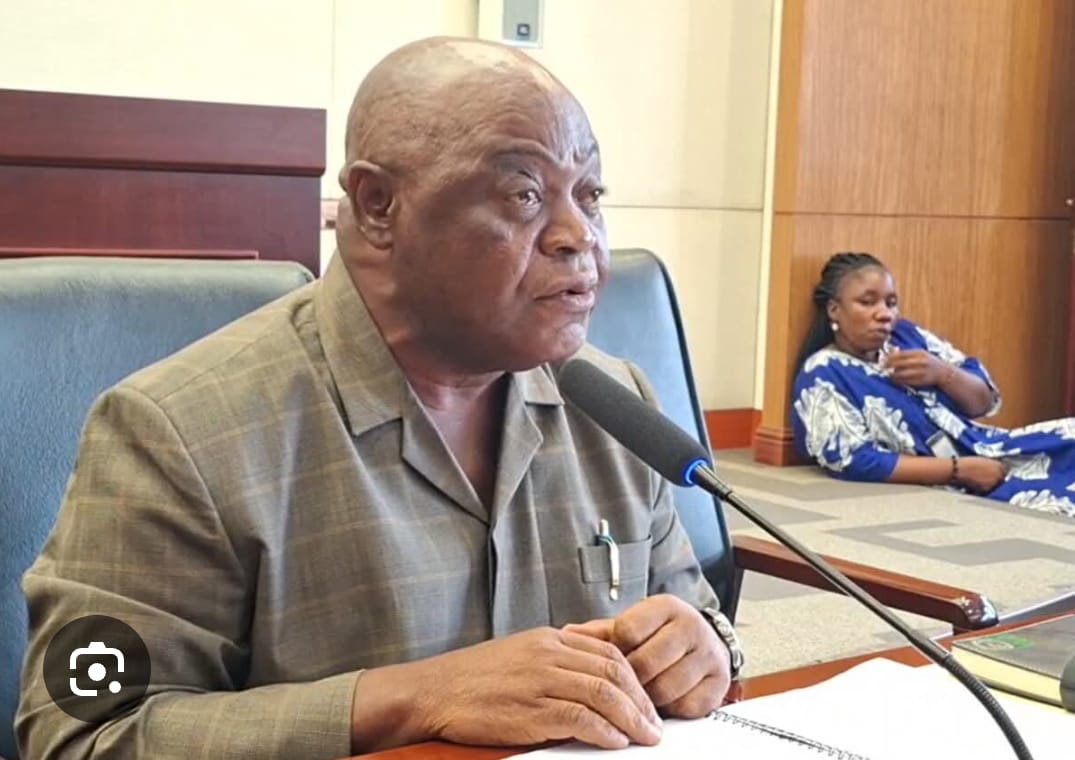
NEC Chairperson Jonathan K. Weedor disclosed the proposal Wednesday, August 12, during an interview on ELBC, saying Liberia’s candidate registration fees are among the lowest in the region and should be reviewed to reflect current electoral realities.
The proposed changes would require legislative approval before taking effect.
Under the current electoral framework, candidates pay US$2,500 for president, US$1,500 for vice president, US$750 for senator and US$500 for representative.
Weedor said the Commission is considering raising the presidential candidate fee to US$10,000 and the vice presidential fee to US$7,500. He did not specify proposed fees for senatorial and representative candidates.
According to him, increasing the fees could also generate additional revenue to support the conduct of national elections.
“Once it is passed into law, you either pay it or do not participate in the process,” Weedor said, stressing that the NEC would enforce whatever requirements are approved by the Legislature.
He argued that higher registration fees could help ensure that individuals seeking elected office demonstrate seriousness and commitment to the responsibilities associated with serving in the presidency or Legislature.
Weedor said the Commission is also considering safeguards intended to protect the national interest, pointing to electoral systems in Ghana and Sierra Leone as examples Liberia could examine as part of the reform process.
The proposed increase follows an earlier call by the National Patriotic Party (NPP) for substantially higher candidate registration fees.
During a Senate Judiciary Committee public hearing on electoral reform on June 22, 2026, NPP political leader and former Vice President Jewel Howard-Taylor proposed fees of US$15,000 for presidential candidates, US$10,000 for vice presidential candidates, US$5,000 for senatorial candidates and US$3,000 for representative candidates.
Under the NPP proposal, the presidential registration fee would increase sixfold, while fees for senatorial and representative candidates would rise by about 6.7 times and six times, respectively.
Howard-Taylor argued that tougher electoral requirements would bring greater discipline to Liberia’s political system and help address the proliferation of what she described as “briefcase political parties.”
However, substantially increasing candidate registration fees could fuel debate over access to political participation, particularly whether higher costs could disadvantage qualified Liberians with limited financial resources.
The proposal comes as the NEC pursues broader electoral reforms ahead of the 2029 elections, including measures aimed at strengthening oversight of political parties and candidates.
The Commission currently recognizes 49 registered political parties, fueling debate over whether all registered parties have adequate organizational structures, national reach and electoral viability.
The number of political parties has become part of the wider electoral reform debate, with increasing attention on how to strengthen political institutions while preserving citizens’ constitutional right to participate in the democratic process.
See more Liberia News Network stories in Google Search by adding LNN as one of your Preferred Sources.
★ Add LNN as a Preferred Source