
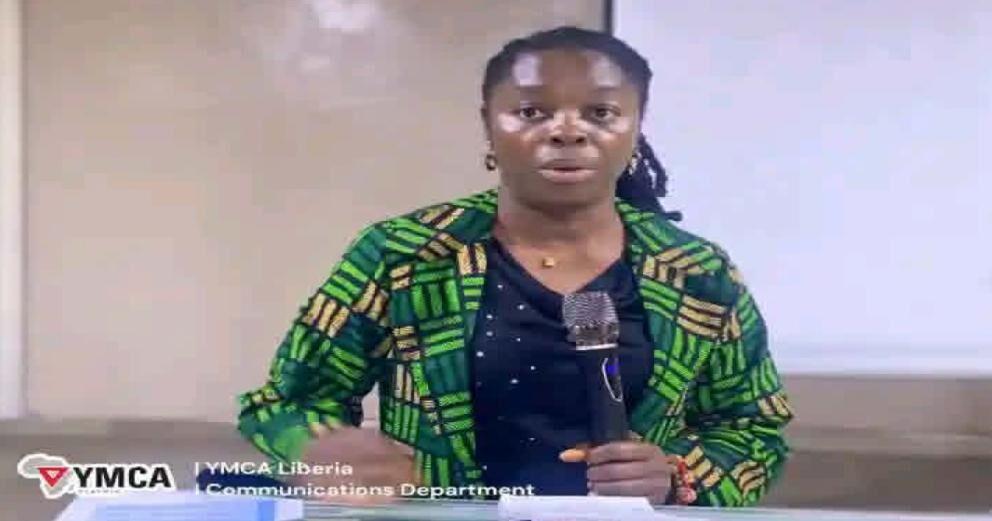
The Chief Executive Officer of the YMCA in Liberia, Vonyee N. Kolison, has warned that many non-profit organizations in the country could shut down if they fail to urgently reform how they raise and manage funds, amid shrinking donor support and shifting global funding priorities.
Speaking Tuesday at the opening of a two-day training on fundraising and resource mobilization for members of the Civil Peace Service Network (CPSN), Kolison said sustainability is no longer optional for organizations serving communities across Liberia.
“Sustainability is no longer optional, but a necessity for organizations seeking to continue serving their communities effectively,” she said.
She cautioned that many NGOs in Liberia rely heavily on one or two external donors, making them vulnerable when funding priorities change or projects end.
She explained that this dependency often leads to staff layoffs, project shutdowns, and disruption of essential community services.
“This cycle has hurt peacebuilding and development work for years,” she noted, stressing that the Civil Peace Service Network — which operates across all 15 counties — has been particularly affected as donors reduce funding for peace programs in favor of health and climate initiatives.
Kolison said the training is designed to equip organizations with practical tools to survive funding cuts, diversify income sources, and strengthen partnerships with government, private sector actors, and communities.
She also emphasized the importance of results-based reporting, noting that donors increasingly demand clear evidence of impact.
“We have to plan for money the same way we plan for programs,” she said, criticizing the tendency of some NGOs to only seek funding when donors issue calls for proposals.
“The old model of waiting for a foreign grant to come will not work anymore,” she warned.
Kolison urged organizations to begin exploring alternative funding streams such as service fees, community fundraising, and small-scale savings initiatives to build financial buffers.
She further stated that NGOs must begin operating with stronger financial systems, including proper budgeting, audits, and long-term planning, while maintaining their core mission of public service.
“The non-profit sector must prepare for disruption,” she said. “Disruption can come from donor changes, government policy, or local crisis. Groups with no savings and no other income will not survive, but those with a plan will keep their doors open.”
At the same time, she stressed that financial sustainability would not reduce the humanitarian focus of NGOs but rather strengthen their independence and responsiveness.
“When you are stable, you can speak freely. You can respond to needs without asking permission from a donor,” she said, noting that over-reliance on donors often forces organizations to adjust programs in ways that weaken community trust.
Kolison also encouraged NGOs to explore local fundraising opportunities, arguing that Liberians are willing to support meaningful causes if organizations improve transparency and demonstrate impact.
She cited the YMCA’s own transformation as an example, explaining that the institution has diversified its income sources over the years.
“The YMCA itself has gone through this change,” she said. “Ten years ago, it relied on two main donors. Today, it has income from training programs, facility rentals, membership fees, and local partnerships.”
She noted that this shift helped the organization remain operational after losing a major donor in 2023.
Participants at the workshop were instructed to develop funding action plans identifying at least three new revenue sources within the next year, with assigned responsibilities for implementation. The YMCA’s Institutional Development Unit will provide follow-up coaching over the next three months.
The training continues Wednesday with sessions focused on grant writing, social enterprise development, and digital fundraising. More than 30 organizations are participating.
“Start now. Start small. But start,” Kolison urged. “The biggest risk is doing nothing, because waiting could mean losing staff, offices, and community trust.”
