By Lincoln G. Peters
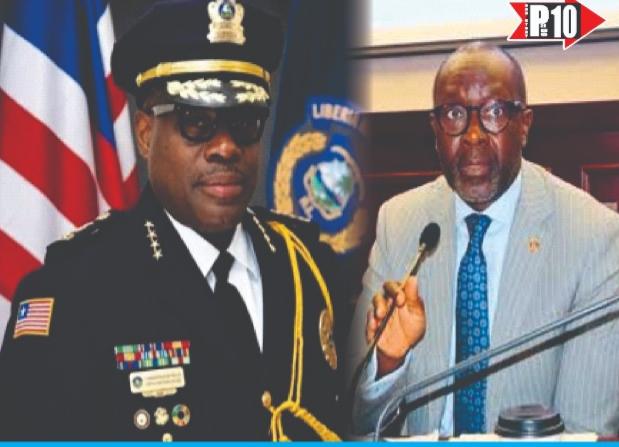
CENTRAL MONROVIA, August 18, 2026: The Liberia National Police (LNP), through Inspector General Gregory Coleman, has requested Gbarpolu County Senator Amara M. Konneh to provide evidence supporting his recent public statements alleging links between senior security officials and illicit drug trafficking.
Konneh confirmed Tuesday that he had received a communication from the Police Inspector General requesting evidence concerning statements he made about the ongoing cocaine investigation.
“I can confirm that I received a letter from the IG of LNP requesting evidence of my public statements about the cocaine case. The Senate Committee on Security has reviewed it & I’ve asked my lawyers to acknowledge receipt to the IG,” Konneh wrote on his official Facebook page.
Konneh, who is a member of the Senate Committee on National Security, made the statements Monday, August 17, while calling for what he described as equal accountability across Liberia’s security sector in the government’s fight against illicit drugs.
His comments followed recent major cocaine seizures and government actions against several security personnel.
The Gbarpolu County senator alleged that the government’s handling of the cases showed what he termed “a disturbing pattern in the administration of justice,” arguing that junior officers have faced suspension or dismissal while senior officials responsible for supervising them remain in their positions.
Konneh questioned what he described as a “double standard” in the government’s response, saying the dismissal of junior security officers without allowing them to defend themselves, while senior commanders remain untouched, could create the perception of selective accountability.
“When senior officials remain untouched and junior officers are scapegoated, it is clear that the fight against narcotics is driven by political convenience rather than national security,” Konneh said.
“No nation can win a drug war when its own institutions are compromised.”
Konneh further argued that removing security personnel from their positions without pursuing judicial proceedings against those suspected of wrongdoing could undermine the rule of law.
According to him, allegations involving international narcotics trafficking should not be handled merely as administrative matters.
“Suspensions and quiet transfers do not constitute justice,” he said. “If security officials who have been removed are not held to the same legal standards as ordinary officers, then ‘Kush Must Go’ was never a genuine policy. It was nothing more than a slogan.”
The senator also described illicit drug trafficking as a national security threat, arguing that the trade endangers young people, finances criminal networks and could contribute to instability.
He cited recent security concerns along Liberia’s northern border with Guinea as another reason the government should treat narcotics trafficking as a serious national security matter.
The police request now puts pressure on Konneh to substantiate his public claims as authorities continue investigations into recent major cocaine seizures and possible links to security personnel.
See more Liberia News Network stories in Google Search by adding LNN as one of your Preferred Sources.
★ Add LNN as a Preferred Source