By Edwin N. Khakie
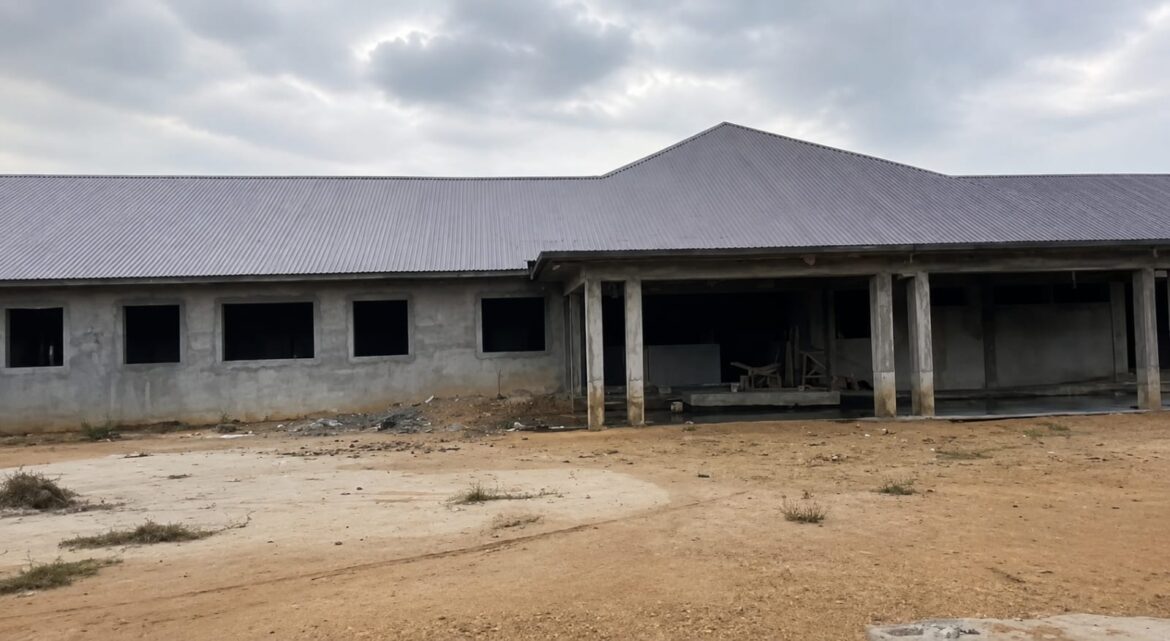
GBARLATUAH, Bong County, August 28, 2026 — Construction is progressing on the President Joseph Nyuma Boakai Regional Diagnostic Center in Gbarlatuah, Zota District, Bong County, as the government moves to expand access to specialized medical testing and diagnostic services outside Monrovia.
Located along the Gbarnga-Lofa Highway, the facility is being developed as a regional diagnostic center expected to serve residents of Bong and surrounding counties.
The project forms part of the government’s efforts to decentralize specialized healthcare services, many of which remain concentrated in Monrovia, forcing patients from rural communities to travel long distances for medical examinations and treatment.
When completed and fully equipped, the center is expected to provide advanced laboratory testing and other specialized diagnostic services.
It is also expected to serve as a referral facility for patients from Bong, Lofa and Nimba counties, potentially reducing the number of people who must travel to Monrovia for specialized diagnostic services.
The project follows President Boakai’s commitment to improving healthcare infrastructure and expanding access to essential services across the country under the government’s ARREST Agenda for Inclusive Development.
For residents of central and northern Liberia, access to specialized medical services has remained a challenge, particularly for patients who cannot afford the cost of traveling to Monrovia.
Such trips often involve transportation, accommodation and other expenses in addition to the cost of medical care.
The establishment of the Gbarlatuah diagnostic center is intended to address some of those challenges by bringing specialized services closer to communities outside the capital.
Once operational, the facility could also help ease pressure on major health institutions in Monrovia by providing patients in the region with an alternative for diagnostic testing and referrals.
However, completing the physical structure represents only one stage of making the center operational.
The facility will require medical equipment, trained healthcare professionals, reliable utilities, maintenance systems and sustained financing to provide the services for which it is being constructed.
The government has yet to provide details on the range of diagnostic equipment to be installed, the number of healthcare professionals expected to staff the center or the projected date for the facility to become fully operational.
The long-term effectiveness of the project will therefore depend on the government’s ability to match construction progress with adequate equipment, staffing, maintenance, and operational funding.
For Bong and neighboring counties, the facility is expected to provide a closer option for specialized diagnostic services and strengthen the region’s healthcare referral system once completed and fully operational.
See more Liberia News Network stories in Google Search by adding LNN as one of your Preferred Sources.
★ Add LNN as a Preferred Source