
By Christian Appleton
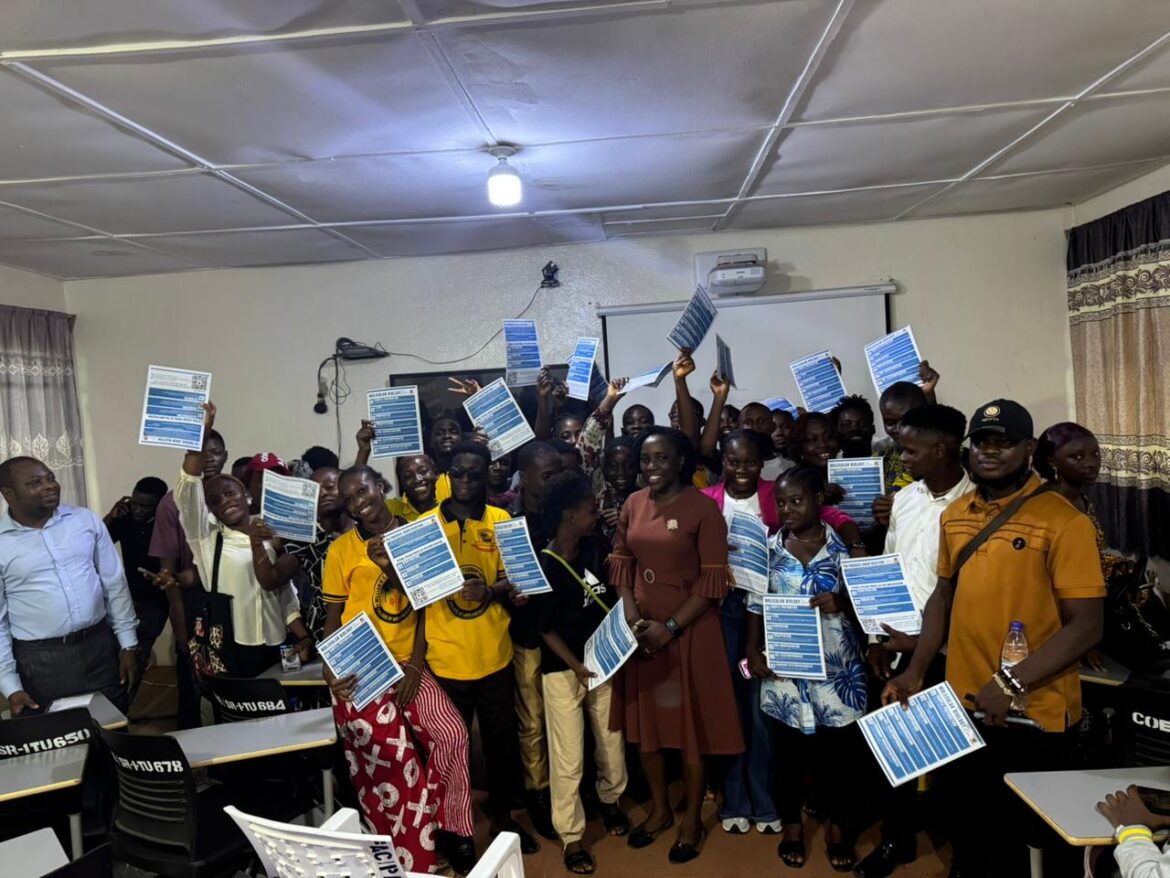
HARPER, LIBERIA – William V. S. Tubman University, through its College of Arts and Sciences, recently hosted a successful one-day educational seminar that brought together deans, chairpersons, faculty members, and biology students. The event, conducted both physically and virtually, was designed to strengthen academic knowledge through interactive sessions with professional lecturers from various international universities and scientific disciplines.
The first presentation was delivered by Professor Segun Isaac Oyedeji of the Federal University Oye-Ekiti in Nigeria, who lectured on the “Genomics of Infectious and Non-Communicable Diseases in Africa.” Professor Oyedeji highlighted Africa’s rich genetic diversity and discussed the impact of major infectious diseases caused by viruses, bacteria, fungi, helminths, and protozoans. He provided deep insights into the science of genomics, sequencing procedures, and the rapid advancements in technology that are making genomic studies increasingly vital across the continent. While acknowledging the significant progress made in genomic research over the past decade, he emphasized that further investment and study remain essential to improving healthcare systems and disease prevention in Africa.
The seminar continued with Akinjide Samuel Anifowose of Newcastle University in the United Kingdom, who spoke on “Careers in Genomics and Translational Science.” Mr. Anifowose encouraged students to cultivate a robust foundation in biology, data analysis, statistics, programming, and critical thinking. He underscored the urgent need for Africa to take a leadership role in developing its own vaccines, antibiotics, and medical solutions to combat prevalent infectious diseases such as malaria. Throughout the event, students actively engaged with the material, participating in lively discussions and raising technical questions that were addressed by the guest speakers.
Closing the program, Temitope Esther Olajide thanked the students and staff for their participation and encouraged them to apply the seminar’s lessons to their professional journeys. She explained that the seminar’s theme, “Beyond the White Coat,” was inspired by the need to expose students to vital career opportunities outside of traditional medicine. Mrs. Olajide noted that admission rates to the A.M. Dogliotti College of Medicine are extremely competitive due to limited slots, and this initiative was intended to broaden students’ understanding of alternative paths that contribute significantly to healthcare and scientific advancement.
Regarding the local relevance of these fields, Mrs. Olajide revealed that Liberia has made significant strides in genomic capacity. While the country previously depended on international laboratories in places like Ghana to identify viral strains, the National Public Health Institute of Liberia and the National Reference Laboratory have now established in-country genomic sequencing. This development allows Liberia to rapidly identify variants of diseases such as Mpox, Lassa fever, and Ebola without the delays of shipping samples abroad. She concluded by stating that Liberia is transitioning from traditional to molecular diagnosis, with genomics now serving as a practical tool to detect outbreaks faster and treat diseases with unprecedented accuracy.
