MONROVIA, Liberia, September 9, 2026 — The United States Government has called on Liberia to modernize its credit information system and link borrowers’ credit records to the national identification system as part of broader reforms aimed at strengthening the financial sector and expanding access to finance.
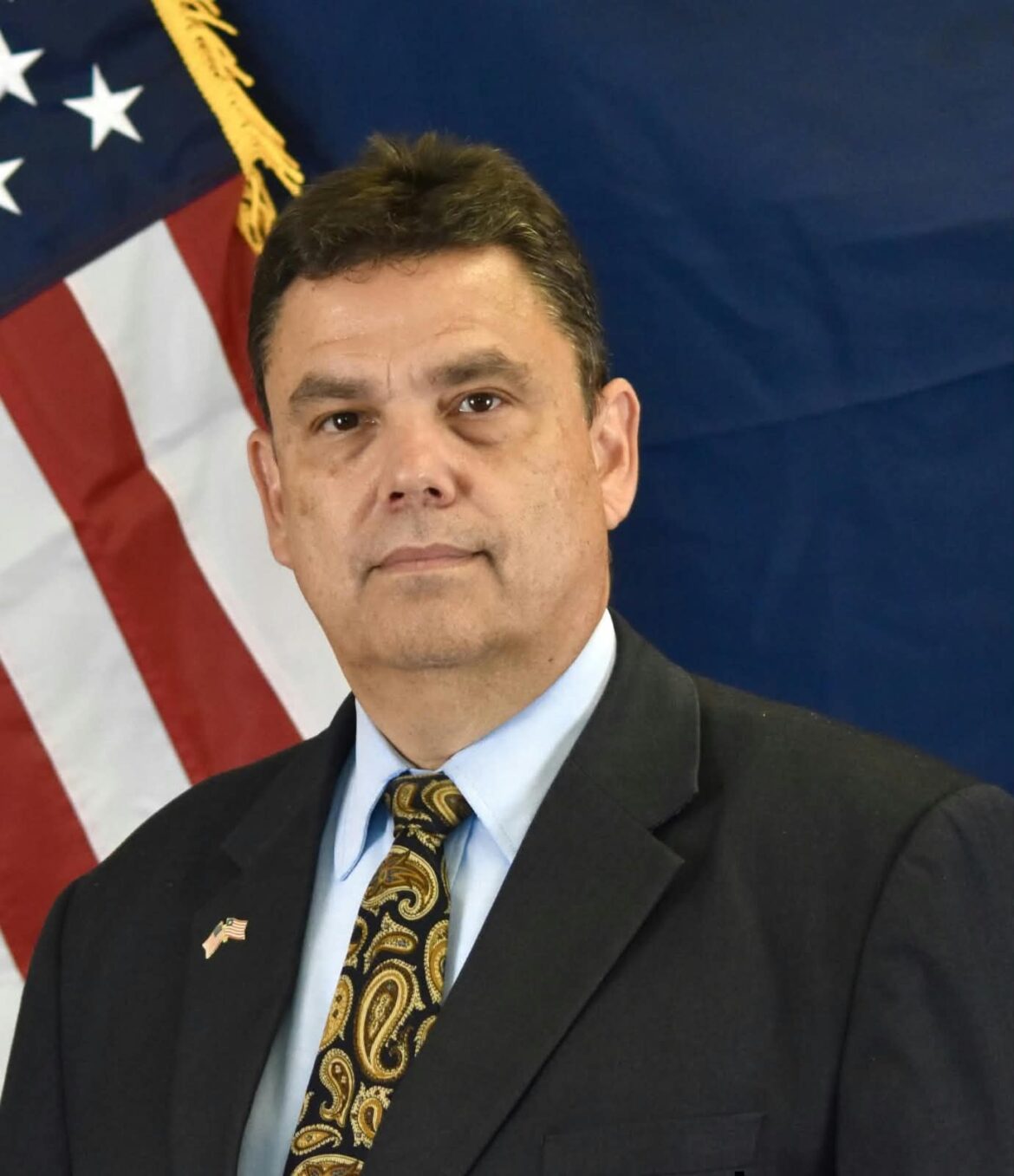
U.S. Embassy Chargé d’Affaires Joseph “Joe” Zadrozny said an integrated system would enable financial institutions to better verify borrowers, track credit histories and distinguish between good and bad credit risks when making lending decisions.
He said linking credit information to a reliable national identification system could also make it more difficult for individuals to obtain loans using false or multiple identities while strengthening regulatory oversight of the financial sector.
Zadrozny spoke Wednesday at the opening of the National Non-Performing Loans Resolution Conference organized by the Central Bank of Liberia in Monrovia.
Citing the United States’ experience in dealing with distressed loans and assets, Zadrozny said Liberia must move beyond identifying the problem of non-performing loans and establish credible mechanisms to resolve them.
“The data on non-performing loans makes clear the scale of the challenge Liberia faces,” he said.
Zadrozny recalled the U.S. savings and loan crisis of the 1980s and early 1990s, saying one of the key lessons was that troubled assets do not simply disappear over time but require recognition, transparency and decisive action.
He acknowledged that the U.S. and Liberian economies and financial systems are significantly different and cautioned against simply copying American solutions.
However, he said the basic principles of a functioning credit system remain the same.
“Lenders need reliable information about borrowers. Contracts need to mean something. Creditors need predictable ways to recover legitimate debts. Distressed assets need a path towards resolution, and borrowers need confidence that the rules are fair and consistently applied,” Zadrozny said.
According to him, improving Liberia’s credit information system should be accompanied by stronger enforcement of commercial contracts and more predictable mechanisms for resolving commercial disputes and insolvency cases.
He said distressed assets must have clear pathways for restructuring, recovery or sale, while banks should strengthen their underwriting and risk-management systems to prevent another accumulation of bad loans.
The comments come as Liberia grapples with non-performing loans and their impact on banks’ ability and willingness to extend new financing to businesses and individuals.
Zadrozny warned that unresolved bad loans are not merely accounting problems because they can restrict new lending, undermine investor confidence and limit entrepreneurs’ access to capital.
“When a bad loan sits unresolved on a bank’s balance sheet, it affects the next loan that the bank is willing to make,” he said.
The U.S. diplomat said resolving non-performing loans and expanding access to finance are therefore closely connected.
He also disclosed that the U.S. Department of the Treasury is nearing completion of a three-year technical assistance engagement with the Central Bank of Liberia focused on financial-sector reforms.
According to him, the assistance has included work on failed-bank resolution and the development of a deposit insurance framework.
Zadrozny said American companies considering investments in Liberia also pay attention to whether contracts can be enforced, financing is available and potential local business partners have access to capital.
He urged Liberian authorities to use the conference to establish concrete responsibilities, deadlines and measurable outcomes rather than conclude the discussions with another diagnosis of the financial sector’s problems.
Among the priorities, he said, should be determining responsibility for modernizing the credit information system, identifying reforms needed to accelerate commercial dispute resolution and establishing mechanisms for dealing with distressed assets.
Zadrozny said the ultimate test of the reforms would be whether they improve access to finance for ordinary Liberian businesses and entrepreneurs.
“Ultimately, success will be measured by when a Liberian entrepreneur with a viable business can walk into a bank and get the capital needed to grow,” he said.
The United States reaffirmed its support for Liberia’s financial-sector reforms while urging the government to move from identifying longstanding problems to implementing concrete solutions.
See more Liberia News Network stories in Google Search by adding LNN as one of your Preferred Sources.
★ Add LNN as a Preferred Source