
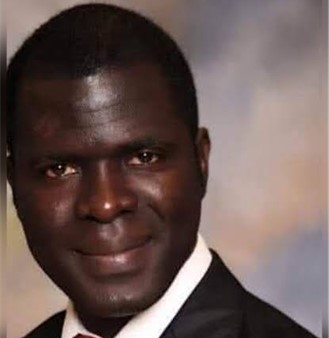
MONROVIA – Many Liberians dismiss politics as a dirty game best left to the dishonest. Far too many decent people have simply walked away. Dr. Emmanuel K. Urey Yarkpawolo wants to break that reflex. Drawing on Aristotle, he argues that public power exists for the common good, not private advantage. His test is simple: who benefits from the decisions being made? He concedes the fears that keep people of good character away, from insults to pressure on their families. Yet he insists withdrawal carries a cost, because contracts, taxes and laws proceed regardless. His intervention arrives as Liberia observes October as the Month of Good Governance, giving his argument a timely edge. THE ANALYST reports.
\n
Liberian scholar Dr. Emmanuel K. Urey Yarkpawolo has called on honest Liberians to get involved in politics, arguing that their withdrawal leaves public decisions in the hands of those who use power mainly for their own advantage.
\n
In an essay titled “Politics and the Common Good: Why Honest People Should Get Involved,” he stated that politics is how people make decisions about their shared lives, choose leaders, and decide how public money and power should be used.
\n
Dr. Urey Yarkpawolo noted that the word comes from the ancient Greek polis, meaning city-state, and that its central question is simple: how can a community be organized so that people can live well together?
\n
He drew on Aristotle, the Greek philosopher who wrote about politics more than 2,000 years ago and placed the common good, meaning the peace, safety, fairness and opportunities that help a whole community thrive, at the center of public life.
\n
For Aristotle, he explained, the political community existed to help people achieve a good life together. A government serves its proper purpose when it works for the benefit of the community and goes wrong when those in power use it mainly for their own advantage, a distinction Dr. Urey Yarkpawolo said offers a simple way to judge leadership: who benefits from the decisions being made?
\n
The Test of Leadership
\n
Applied to Liberia, he argued, this means politics should help children attend school, families receive healthcare, farmers reach markets, and communities enjoy clean water and a safe environment. Winning an election or receiving an appointment creates an opportunity to serve, he stated, and the real measure of leadership is what people gain from that service.
\n
Dr. Urey Yarkpawolo traced politics’ association with dishonesty to broken promises, bribery, favoritism, threats and the misuse of public money, which over time have damaged its reputation.
\n
When people say, “That is politics,” he observed, they often mean someone is hiding the truth or pursuing a selfish interest, experiences that help explain why people distrust political leaders.
\n
Africa’s Mixed Corruption Record
\n
He described corruption as a serious concern across Africa, citing Transparency International’s 2025 Corruption Perceptions Index, which he said gave sub-Saharan Africa an average score of 32 out of 100. Higher scores mean a country’s public sector is seen as less corrupt, and the findings, he noted, show a broad problem affecting many countries.
\n
There are also encouraging examples, according to Dr. Urey Yarkpawolo, who pointed out that Seychelles, Cabo Verde, Botswana and Rwanda all scored above 50 in the same index. Africa’s experience therefore varies, he argued, and these examples give citizens reason to demand better leadership and stronger public institutions, consistent with Aristotle’s view that the task is to keep public power focused on the welfare of the community.
\n
The Cost of Staying Away
\n
The scholar acknowledged that people of good character sometimes hesitate to enter politics because of its damaged reputation. They fear insults, false accusations, pressure on their families or demands to compromise their values, he said, and some worry that success requires lying, buying support or defending wrongdoing by their own party.
\n
These concerns are understandable, he conceded, because a person who has worked hard to earn a good name naturally wants to protect it. Staying away, however, carries a cost: public decisions will still be made, taxes collected, contracts awarded and laws passed, and honest people who withdraw, he warned, give up opportunities to improve those decisions.
\n
This, according to Dr. Urey Yarkpawolo, is why Aristotle’s view matters. If politics should serve the common good, he reasoned, people who care about honesty, fairness and service have strong reasons to participate, because their presence can help protect public money, defend people who are overlooked and show that leadership can be honorable.
\n
Good Intentions Not Enough
\n
He cautioned, however, that good intentions alone are not enough. Honest leaders, he stated, must understand their responsibilities, listen, learn and make sound decisions; they should explain their choices, admit mistakes and accept questions about their conduct, and must be willing to hold friends and supporters to the same standards they expect from opponents.
\n
Strong rules matter too, the scholar argued. Public spending should be open to examination, contracts should be awarded fairly, people should be able to report wrongdoing, and leaders should face consequences when they break the law, because trust grows when citizens see fairness in practice.
\n
Getting involved, Dr. Urey Yarkpawolo clarified, does not mean everyone must run for office. Citizens can vote carefully, attend community meetings, question public spending, support credible candidates and refuse to excuse corruption because someone belongs to their party, county or ethnic group.
\n
Politics affects everyone, he concluded, whether they participate or remain silent. Aristotle’s lasting lesson, he said, is that leadership should advance the common good, and honest people should get involved because their courage, knowledge and example can help turn that purpose into better lives for ordinary people.
See more Liberia News Network stories in Google Search by adding LNN as one of your Preferred Sources.
★ Add LNN as a Preferred Source