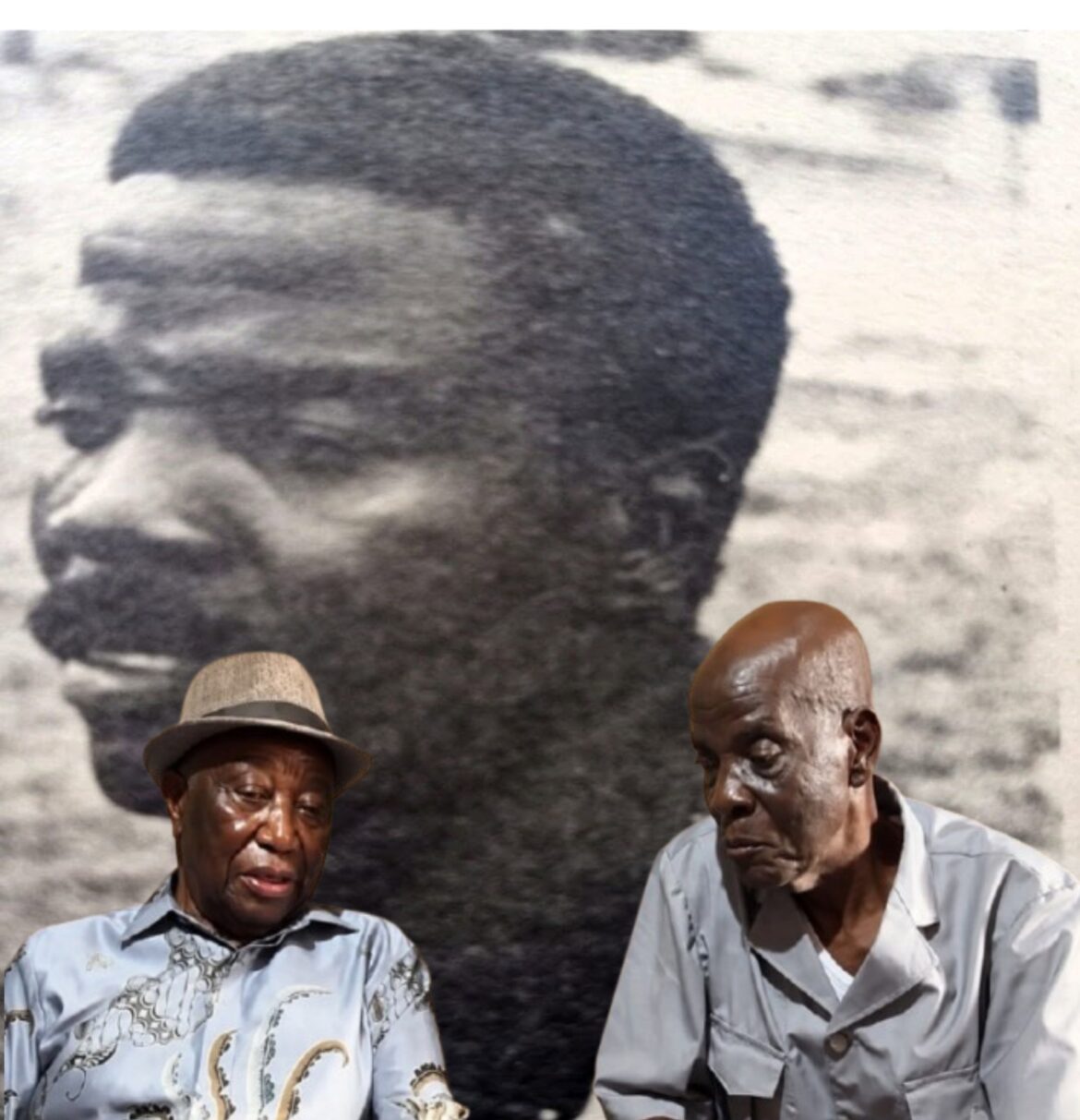
At the home of veteran footballer and former Lone Star coach Josiah Nagbe Johnson (JNJ), President Joseph Nyuma Boakai (JNB) found not just an old friend, but a living piece of Liberia’s football history.
Sometimes, the most impactful presidential visits occur not under grand chandeliers, behind heavy government doors, or in front of cameras. Instead, they can take place in the home of a longtime friend.
On September 5, President Joseph Nyuma Boakai Sr. made one such visit to see veteran Liberian footballer and former national team coach Josiah N. Johnson, affectionately known as “JNJ” by generations of Liberians.
At first glance, it seemed like a simple visit. However, beneath that simplicity lay a deeper significance: a President honoring a man who dedicated a significant part of his life to the sport of football in Liberia.
In doing so, JNB reminded the nation that a country’s history is not solely recorded in presidential offices, legislative chambers, or courtrooms. It is also written on football fields, on dusty community pitches, under the blazing Liberian sun, in the voices of coaches, in the aspirations of young boys and girls chasing a ball, and in the memories of those who helped shape the game long before it became the national passion it is today.
President Boakai referred to JNJ as his long-time friend, adding a personal touch that official ceremonies often miss. This was not merely a President visiting a retired football figure; it was Joseph Boakai taking the time to connect with someone whose life and contributions to Liberia’s sporting culture are already woven into the fabric of national memory.
By that visit, Boakai did something that many leaders often overlook: he remembered. He remembered the person behind the football. He remembered the years of dedication. He remembered the contributions made. And he publicly acknowledged JNJ’s significant role in the growth of football in Liberia.
This recognition is important. Nations often celebrate their heroes only after they have passed away. Too frequently, those who dedicate decades to building institutions, mentoring youth, and nurturing national talent receive their accolades when they can no longer appreciate them.
However, President Boakai’s visit provided JNJ with something different: his flowers while he is still alive to enjoy them.
For generations of Liberian football fans, Josiah N. Johnson is not just remembered as a player or coach. He is recognized as a football visionary. Perhaps no phrase encapsulates JNJ’s football philosophy better than his well-known saying: “The game of football is like a biscuit; it can break anywhere.”
It may sound humorous and a bit mischievous, but there is a profound football philosophy behind those words. The message is clear: never assume the outcome before the match is played. When all factors are equal, any team can shine. Any team can rise to the occasion. Any favorite can falter. Any underdog can surprise everyone.
Football, as JNJ understood, does not always honor reputations. It values what unfolds on the field. That’s likely why the biscuit analogy has transcended mere football talk and become a cherished part of Liberia’s sporting history.
There’s something deeply rooted in Liberia about that philosophy.
A nation that has faced seemingly insurmountable challenges has gained insights into the nature of unpredictability. Liberia has experienced defeat. Liberia has faced disappointment. Yet, Liberia has also given rise to unexpected moments that took everyone by surprise.
That’s the essence of football. And that’s the essence of life. A small team can triumph over a giant. An overlooked player can rise to become a national hero. A young boy from a disadvantaged background can achieve international stardom.
A country with limited resources can still produce remarkable football talent. And a football coach can leave behind a legacy that endures long after his playing days are finished. This is the legacy embodied in JNJ’s biscuit. The game can flourish anywhere.
President Boakai’s choice to visit JNJ personally holds significance that extends beyond the confines of the veteran’s home. It acknowledges a generation of Liberian football pioneers whose contributions often fade into the background compared to today’s stars.
Long before the stadium lights illuminated the fields. Long before modern football academies emerged. Long before social media transformed players into global icons. There were individuals like JNJ. Individuals who played. Individuals who coached. Individuals who mentored. Individuals who passed the love of football from one generation to the next. They laid the groundwork for the culture from which future Liberian football legends would arise.
When a President acknowledges someone’s contribution, it sends a message that resonates beyond just that individual. It reassures former players that their sacrifices were significant. It reminds coaches that their efforts have not gone unnoticed. It inspires young athletes by showing that sporting excellence contributes to national growth. And it conveys to the nation that football is more than just entertainment; it is woven into the fabric of Liberia’s cultural identity.
Few things bring Liberia together like football. Political parties may clash, counties may vie for dominance, and generations may have their disagreements. But when the Lone Star takes to the field, Liberians often find a shared language.
The flag is hoisted, the national colors are displayed, and voices rise in unison. For ninety minutes, millions of Liberians can set aside their differences and unite as one team. That is the essence of football.
Figures like JNJ have played a crucial role in fostering that culture. They transformed football from a mere game into something profound—a source of identity, aspiration, pride, and national unity.
So, when President Boakai met with JNJ on September 5, he was not just visiting a former coach; he was, in a way, connecting with a vital part of Liberia’s sporting spirit.
There is another important message in the President’s visit. Leadership involves not only looking ahead but also recognizing those who have paved the way for the nation’s journey.
A country that neglects its builders risks losing sight of how it was constructed. This is why the gesture towards JNJ holds significance. The President’s acknowledgment serves as a reminder that national development has many architects.
Some people focus on building roads, others on schools, institutions, or businesses. But there are those who dedicate themselves to building people.
Coaches are among those who build individuals. They instill discipline, foster teamwork, and cultivate resilience. They guide young athletes in learning how to accept defeat without giving up and how to celebrate victory without becoming arrogant. The impact of this work isn’t always quantifiable in monetary terms; sometimes, it’s reflected in the lives of young individuals who find their path.
Perhaps JNJ’s well-known saying holds a lesson that transcends the realm of football: “The game of football is like a biscuit, it can break anywhere.” This speaks to uncertainty. Yet, it also embodies hope. It suggests that our circumstances do not solely dictate our fate. The underdog must continue to believe, while the favorite must remain diligent. Yesterday’s triumph does not ensure tomorrow’s success. And it reminds us that Liberia should never give up before the final whistle.
In a nation still on its journey toward development, this philosophy carries significant weight. Liberia has frequently been told what it cannot achieve. JNJ’s approach to football opens up a different perspective: wait until the game unfolds, because the biscuit can break anywhere.
President Boakai’s visit to JNJ on September 5 may not have created the fanfare of a grand state event, but perhaps that’s what makes it significant. There were no elaborate political rallies, no catchy campaign slogans, and no lengthy processions—just a President reconnecting with an old friend, reminding the nation of one of its football legends.
History doesn’t always make a grand entrance; sometimes it arrives quietly, almost unnoticed. On September 5, JNB visited JNJ, not with fanfare, but to honor a friend and recognize a football pioneer who significantly contributed to Liberia’s sports development. In doing so, he may have offered a subtle lesson in leadership: always remember those who helped shape what you now have.
For JNJ, a man who has shown generations that football can thrive anywhere, this visit was a well-deserved acknowledgment.
For Liberia, it served as a reminder that some of its most valuable treasures aren’t just found in government offices; many are quietly residing in homes, filled with years of memories, stories, and dedication, waiting for someone to reach out.
This time, the President did just that, and perhaps that’s the most beautiful aspect of this story. In both football and life, the biscuit can break anywhere.
See more Liberia News Network stories in Google Search by adding LNN as one of your Preferred Sources.
★ Add LNN as a Preferred Source