
By Lincoln G. Peters
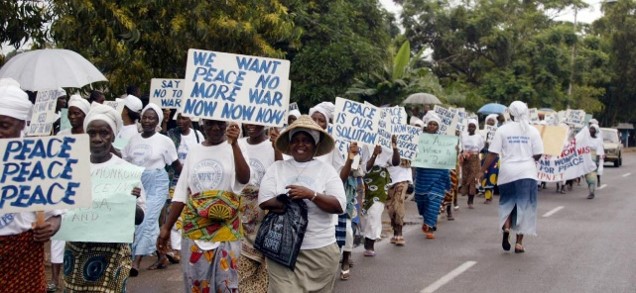
MONROVIA, Liberia, July 29, 2026 — A coalition of local and international women’s rights organizations has called on the Liberian Senate to strengthen gender provisions in the proposed War and Economic Crimes Court (WECC) legislation to ensure the tribunal adequately addresses sexual and gender-based crimes committed during the country’s civil wars.
In a joint communication addressed to Senator Cllr. Augustine S. Chea, Chairperson of the Senate Committee on Judiciary, Human Rights, Claims and Petitions, the organizations submitted recommendations aimed at making the proposed court more responsive to the experiences and rights of women and other victims of wartime atrocities.
The submission was endorsed by Global Justice, the Association of Female Lawyers of Liberia (AFELL), and the Women’s NGO Secretariat of Liberia.
The organizations said Liberia’s civil wars were marked by widespread sexual violence and other gender-based crimes committed by all armed factions, with women and girls disproportionately subjected to rape, sexual slavery, forced pregnancy, forced marriage, and other abuses.
They argued that lawmakers have an opportunity to establish a credible and gender-sensitive justice mechanism as the Senate considers several draft versions of the WECC legislation.
Among the coalition’s recommendations is the inclusion of forced marriage and reproductive violence as specific crimes within the court’s jurisdiction, noting that both offenses are recognized under international criminal law but are not explicitly included in the current draft bill.
The groups also urged lawmakers to recognize the full range of sexual and reproductive violence as war crimes and crimes against humanity, arguing that limiting prosecutions to offenses such as rape and enforced prostitution would fail to reflect the scope of atrocities committed during Liberia’s conflicts.
They further recommended expanding provisions on crimes against humanity by strengthening the category of “other inhumane acts” to enable prosecutors to pursue offenses not specifically listed in the legislation.
The coalition also called for revisions to provisions relating to enforced sterilization and gender-based persecution, arguing that consent should not be accepted as a legal defense where force, coercion, intimidation, or deception has been used.
In addition, the organizations proposed a broader definition of “victim” to include survivors of conflict-related crimes, children born as a result of sexual violence, and dependents of deceased victims.
Beyond criminal accountability, the coalition emphasized the need to guarantee victims the right to participate in court proceedings and receive prompt, effective, and meaningful reparations.
The recommendations also seek stronger institutional safeguards, including ensuring that international judges constitute a majority on judicial panels, requiring gender expertise among judges and court staff, promoting gender-balanced representation, and strengthening the Victims and Witnesses Unit with specialists trained to handle sexual and gender-based crimes.
The organizations further proposed amendments to the court’s Rules of Procedure and Evidence to enhance protections for complainants, victims, witnesses, and persons with disabilities, while aligning proceedings with international standards for prosecuting sexual violence.
They also urged lawmakers to include provisions ensuring humane detention conditions for convicted persons, particularly pregnant and breastfeeding women, in accordance with international human rights standards.
Describing their submission as a contribution to Liberia’s transitional justice process, the coalition requested an opportunity to present its recommendations directly to the Senate Judiciary Committee and other relevant legislative bodies before the draft legislation is finalized.
The recommendations come as Liberia continues efforts to establish a War and Economic Crimes Court to prosecute those responsible for atrocities committed during the country’s civil wars, fulfilling a long-standing recommendation of the Truth and Reconciliation Commission.
