
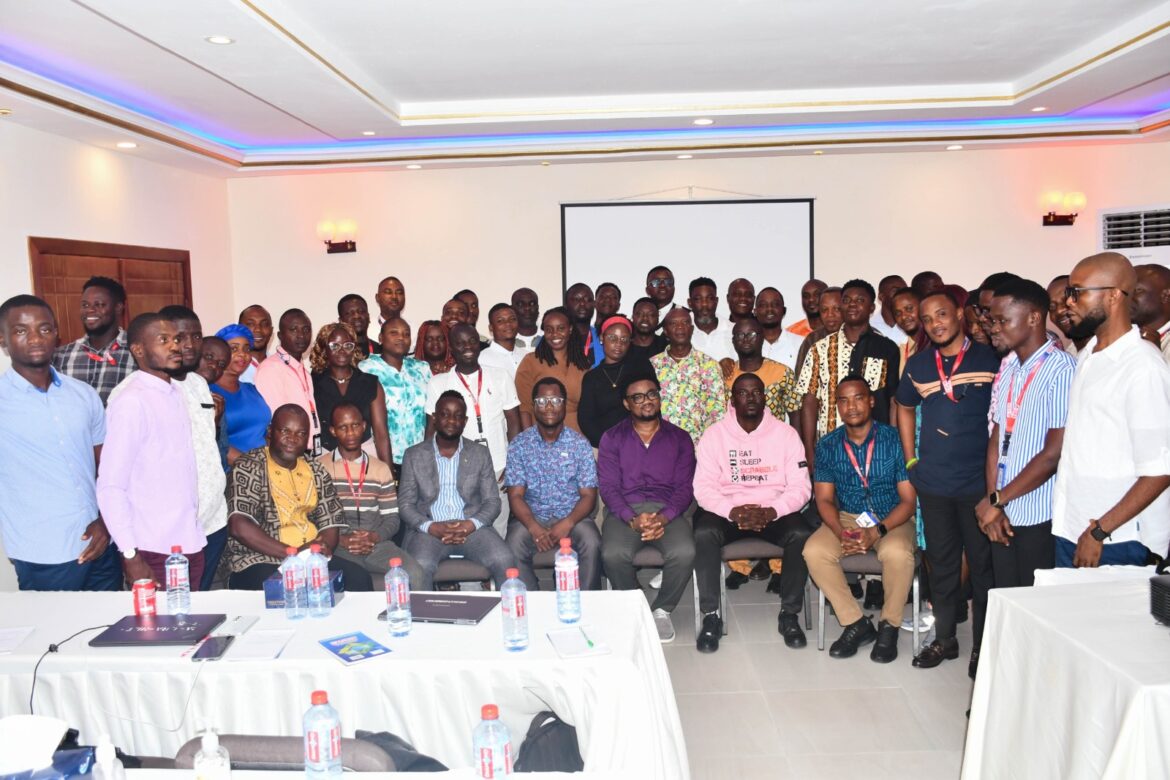
MONROVIA, LIBERIA – As preparations intensify for the nationwide rollout of Value Added Tax (VAT) on January 1, 2027, the Liberia Revenue Authority (LRA), through its VAT Project Team, has commenced a five-day internal training programme aimed at equipping staff with the technical knowledge and practical skills needed to support one of Liberia’s most significant tax reforms.
The training, which started on Tuesday at a local hotel in Paynesville, has brought together staff from across the Authority to strengthen their understanding of the VAT system and prepare them to support Liberia’s transition from the Goods and Services Tax (GST) to a modern Value Added Tax regime.
Participants are receiving practical training in key areas of VAT administration, including taxpayer registration, invoicing procedures, return filing, compliance obligations, taxpayer education, and the day-to-day application of VAT within Liberia’s tax administration framework.
Speaking at the start of the training, Assistant Commissioner for the Medium Tax Division, Sebastian A. Weah, described the programme as a critical milestone in the Authority’s VAT implementation strategy and emphasized that building staff capacity is fundamental to the success of the reform.
He noted that the training is intended to equip employees with the knowledge and practical skills required to educate taxpayers, provide accurate technical guidance, and support the effective implementation of VAT across the country.
“The successful implementation of VAT begins with a knowledgeable and well-prepared workforce. The knowledge and skills you acquire during this training will enable you to confidently educate taxpayers, respond to their concerns, and contribute to the smooth implementation of this important national reform,” Assistant Commissioner Weah said.
For his part, VAT Project Manager S. Tunny Cooper described the workshop as a key pillar of the Authority’s preparations for the nationwide transition to VAT.
He noted that while substantial progress has already been made in strengthening the legal, policy, and technological frameworks required for implementation, the ultimate success of the reform will depend on the readiness, competence, and commitment of LRA employees.
“The success of VAT depends not only on our systems but also on our people. Every member of the Liberia Revenue Authority has a responsibility to understand the new tax system and be prepared to educate taxpayers with confidence, consistency, and technical accuracy,” Mr. Cooper said.
He encouraged participants to actively engage throughout the workshop by asking questions, sharing experiences, and developing the practical skills needed to effectively support taxpayers during the transition. He added that the training forms part of the LRA’s comprehensive VAT implementation strategy, which also includes digital system upgrades, taxpayer registration, stakeholder engagement, nationwide public awareness campaigns, and institutional capacity building.
The introduction of VAT marks a major milestone in Liberia’s tax reform agenda. By replacing the Goods and Services Tax, the new system is expected to improve tax efficiency, strengthen voluntary compliance, enhance domestic revenue mobilization, and align Liberia’s tax administration with internationally recognized best practices.
Through sustained investments in staff development, digital transformation, taxpayer education, and institutional capacity building, the Liberia Revenue Authority is laying the foundation for a seamless transition to VAT. These efforts reflect the Authority’s commitment to building a modern, efficient, transparent, and service-oriented tax administration that supports sustainable economic growth and national development.
