
By Lewis S. Teh
Monrovia, Liberia, July 9, 2026: Liberia Revenue Authority Commissioner General Dorbor Jallah says the Tax Expenditure Management Act of 2025 is critical to addressing the country’s growing revenue waiver gap.
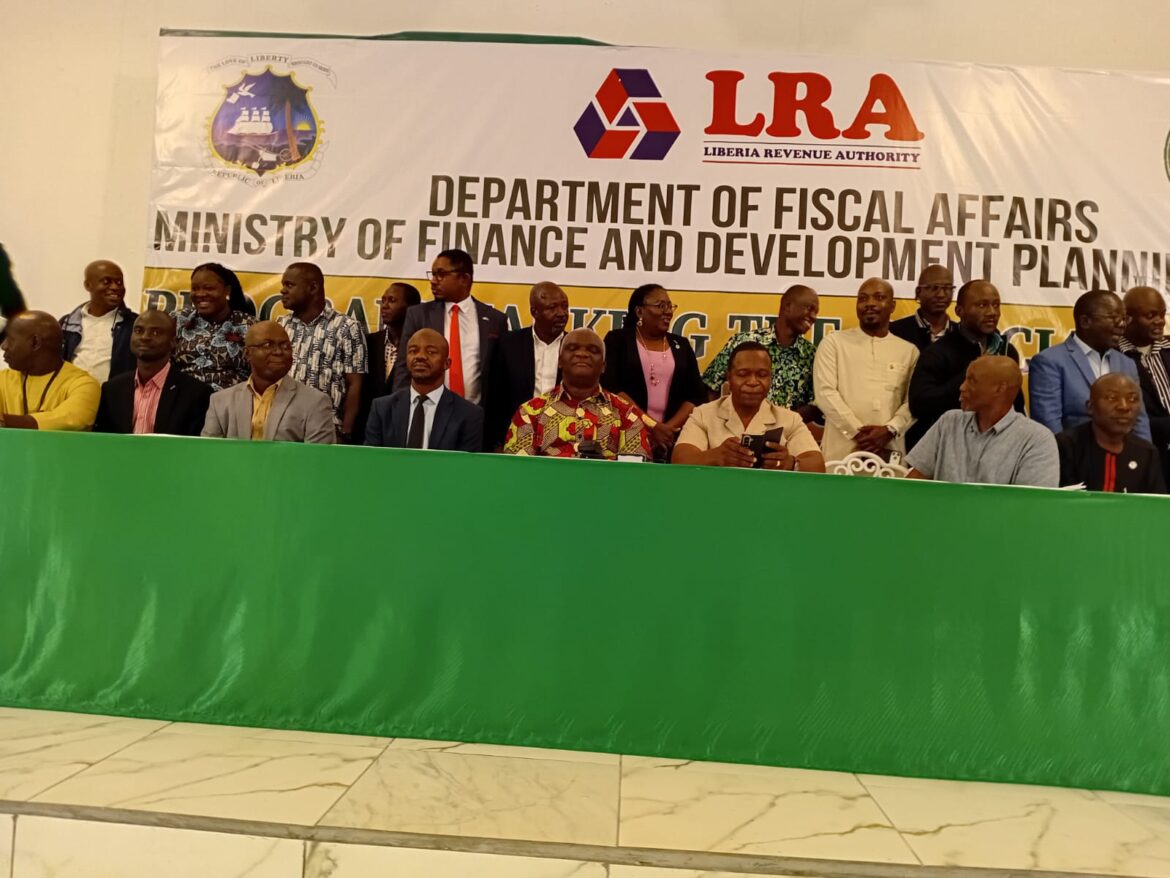
Speaking Wednesday at Paynesville City Hall during the official launch of the Act, Jallah said the new law marks a major step toward strengthening fiscal governance, transparency and domestic resource mobilization.
Jallah said tax incentives remain important policy tools when they are properly designed and managed.
“Tax incentives are a very important policy instrument,” he said. “When well designed, they stimulate investment, create jobs, promote industrial development and support national economic growth.”
But he said such incentives must be administered under a transparent and accountable legal framework to ensure they support Liberia’s development priorities and deliver value for money.
Jallah said customs-related tax expenditures reached US$353.3 million in 2025, compared to US$226.6 million collected from customs revenue during the same period.
“We’re waiving far more than we are collecting,” he said.
He added that between 2024 and 2025, customs revenue grew by only 17 percent, while tax expenditure increased by 55 percent.
Jallah said the trend shows the need for stronger controls over tax waivers and better assessment of their impact on national development.
He said the new law does not abolish legitimate incentives, but requires that they be granted based on sound economic justification, properly monitored and periodically reviewed.
A key provision of the Act is the establishment of a centralized register to track beneficiaries of tax incentives, the types of incentives granted and the benefits expected from the waived revenue.
The Act also requires annual tax expenditure reports to help policymakers, lawmakers, development partners and the public understand the fiscal cost of incentives granted through concession agreements, mineral development agreements, National Investment Commission incentives, presidential declarations and statutory waivers.
Jallah said the LRA remains committed to working with the Ministry of Finance and Development Planning, line ministries, the Legislature, the private sector and development partners to implement the law.
He said effective management of tax expenditures would improve revenue performance, strengthen public confidence in the tax system and create additional fiscal space for investments in education, healthcare, infrastructure, agriculture and social protection.
He commended the Government of Liberia, the Legislature, development partners and technical teams for supporting the passage and launch of the legislation.
“Let’s all work together to ensure that tax incentives remain a strategic tool for promoting sustainable investment while safeguarding the revenues needed to build a prosperous and resilient Liberia,” Jallah said.
