
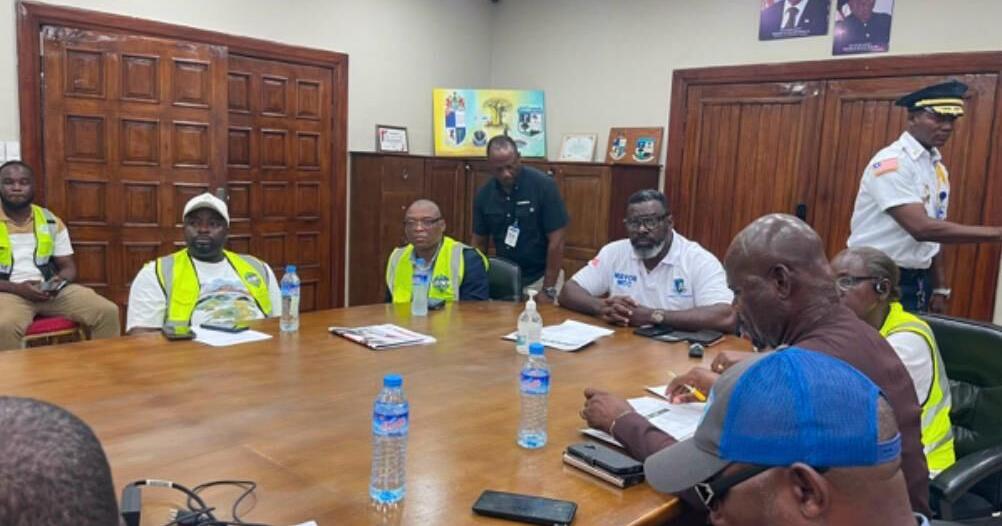
The Monrovia City Corporation (MCC) has launched the operational phase of its Public-Private Partnership (PPP) Solid Waste Management Framework, unveiling 30 Liberian-owned Community-Based Enterprises (CBEs) and Small and Medium Enterprises (SMEs) selected to lead a new sanitation model aimed at transforming waste management across Liberia’s capital.
The initiative, announced Monday, marks what city officials describe as a major shift from emergency waste cleanups to a structured, community-driven, and financially sustainable waste management system.
Speaking during the official announcement of the Phase One selections, Monrovia Mayor John-Charuk Siafa described the initiative as a historic milestone, saying it represents the first-time municipalities, private waste operators, and community-based enterprises are working together under a nationally driven sanitation reform framework without direct donor funding.
“We are beginning to operationalize a partnership that will fundamentally change how waste is managed in Monrovia,” Mayor Siafa said. “We are not claiming to have all the answers, but we have chosen progress over perfection. This is a bold step toward building a sustainable waste management system.”
The Mayor said the PPP framework follows an agreement signed between the MCC, the Liberia Solid Waste Management Association (LISWA), and the National Association of Community-Based Enterprises (NACOBE), with support from the National WASH Commission and the Ministry of Internal Affairs.
He explained that the reform is backed by new municipal regulations approved by the Monrovia City Council to encourage greater private sector participation in sanitation services.
According to Mayor Siafa, the initiative seeks to replace the city’s previous waste management approach, which relied heavily on temporary interventions, with a system built around accountability, private investment, community participation, and long-term financial sustainability.
“This is the beginning of the end of Monrovia’s waste management challenges,” he declared, urging residents, businesses, community leaders, and institutions to support the new system.
Announcing the Phase One beneficiaries, Monrovia City Manager James Williams said selected SMEs and CBEs will be deployed across operational zones covering Districts 7, 8, 9, and 16.
The selected SMEs include Echo Green Environmental Solution, Ocean Waste Solution, Mastercraft Waste Collection, TK Group of Companies, Dunpie Euro, Hazard, Tower Sanitation & Alternative Energy, Phoenix Waste Management, T-Waste Recycling and Fumigation, and Sheriff Development Corporation.
The Community-Based Enterprises selected include United Group of CBEs, Eco Vision, Greenland, Ocean, Tewa, Green Wall, Truly Blessed, People Waste Pest Control, TK, What Men Do Women Can Do, Environment and Alternative Sanitation Incorporated, Environment and Alternative Sanitation Enterprise, Vision Care, Clean Air Sanitation Incorporated, SJ Sanitary Services, Matadi Sanitation, Suare Domba, Toll Sanitation Incorporated, and Ementus Waste Management and Housekeeping.
Williams said the companies will begin operations after completing contractual procedures and receiving official deployment authorization from the MCC.
The first phase covers 12 operational zones, requiring households, businesses, schools, markets, restaurants, clinics, offices, and other commercial establishments within the pilot communities to subscribe to their assigned waste collection operators.
The MCC explained that subscription payments will finance critical operational needs, including waste collection equipment, fuel, workers’ salaries, and routine service delivery, ensuring the system can operate without depending on emergency funding.
City officials emphasized that the initiative is not another short-term cleanup exercise but a comprehensive sanitation reform covering waste collection, transportation, recycling, processing, and final disposal.
As part of the broader vision, the MCC announced plans to establish Liberia’s first modern circular economy model, where waste will be transformed into economic opportunities through recycling, composting, plastics recovery, and other waste-processing investments.
Officials said the city is currently monitoring a pilot waste-processing facility while exploring additional technologies to support sustainable waste recovery and environmental protection.
The reform is expected to create thousands of green jobs, attract private investment, reduce pollution, and improve public health conditions in Monrovia.
The MCC also highlighted ongoing sanitation achievements, including the removal of long-standing waste deposits along Center Street and continuing cleanup activities on Gurley Street.
More than 75 young Liberians have also been deployed to rehabilitate the historic Palm Grove Cemetery through waste removal, vegetation clearing, restoration of walkways, and preparations for redevelopment.
The Corporation said plans are underway to fence the cemetery as part of the Palm Grove Cemetery Transformation Project.
Meanwhile, the MCC reported that approximately 75 percent of accumulated waste has been removed from the Fiamah Waste Transfer Station, with similar cleanup operations expected to continue at the Stockton Creek Transfer Station.
The city also disclosed ongoing discussions with the Liberia Marketing Association (LMA) to establish a sustainable waste management arrangement at the Waterside commercial district through mandatory sanitation contributions from marketers.
Speaking on behalf of LISWA, Interim President Samuel T. Duoe described the launch as a major achievement following the signing of the PPP framework.
Duoe said the selected companies will proceed to contract negotiations before conducting community enumeration and deployment, which is expected to begin on August 1, 2026.
He explained that the pilot phase will run for three months to collect baseline information that will guide future expansion and improvements to the sanitation framework.
“We are trying something innovative to address Liberia’s waste management challenges,” Duoe said. “This is about transforming waste from an environmental burden into an economic resource.”
He disclosed that the selection process identified 19 community-based enterprises and 12 SMEs, encouraging all participating companies to remain committed to professionalizing Liberia’s sanitation sector.
Duoe said the initiative will expand opportunities for Liberian-owned businesses while creating the foundation for a circular economy that generates employment and wealth.
“If this model succeeds in Monrovia, it can be replicated across Liberia and become a national model for sustainable urban sanitation,” he said.
Closing the ceremony, Mayor Siafa urged residents to embrace responsible waste disposal practices, subscribe to approved waste collection services, and participate actively in the city’s mandatory first Saturday cleanup exercise.
“Government cannot do this alone,” Mayor Siafa said. “Every citizen must become a watchdog. Together, we are moving from emergency cleanups to permanent solutions and laying the foundation for a cleaner, greener, and more prosperous Monrovia.”
