
One hundred and seventy-nine years after declaring independence, Liberia stands at another defining moment in its national journey.
This anniversary must be more than a ceremonial occasion marked by speeches, parades and patriotic songs. It should serve as a national call to action, a reminder that Liberia’s future will not be determined by its history alone, but by the choices its people make today.
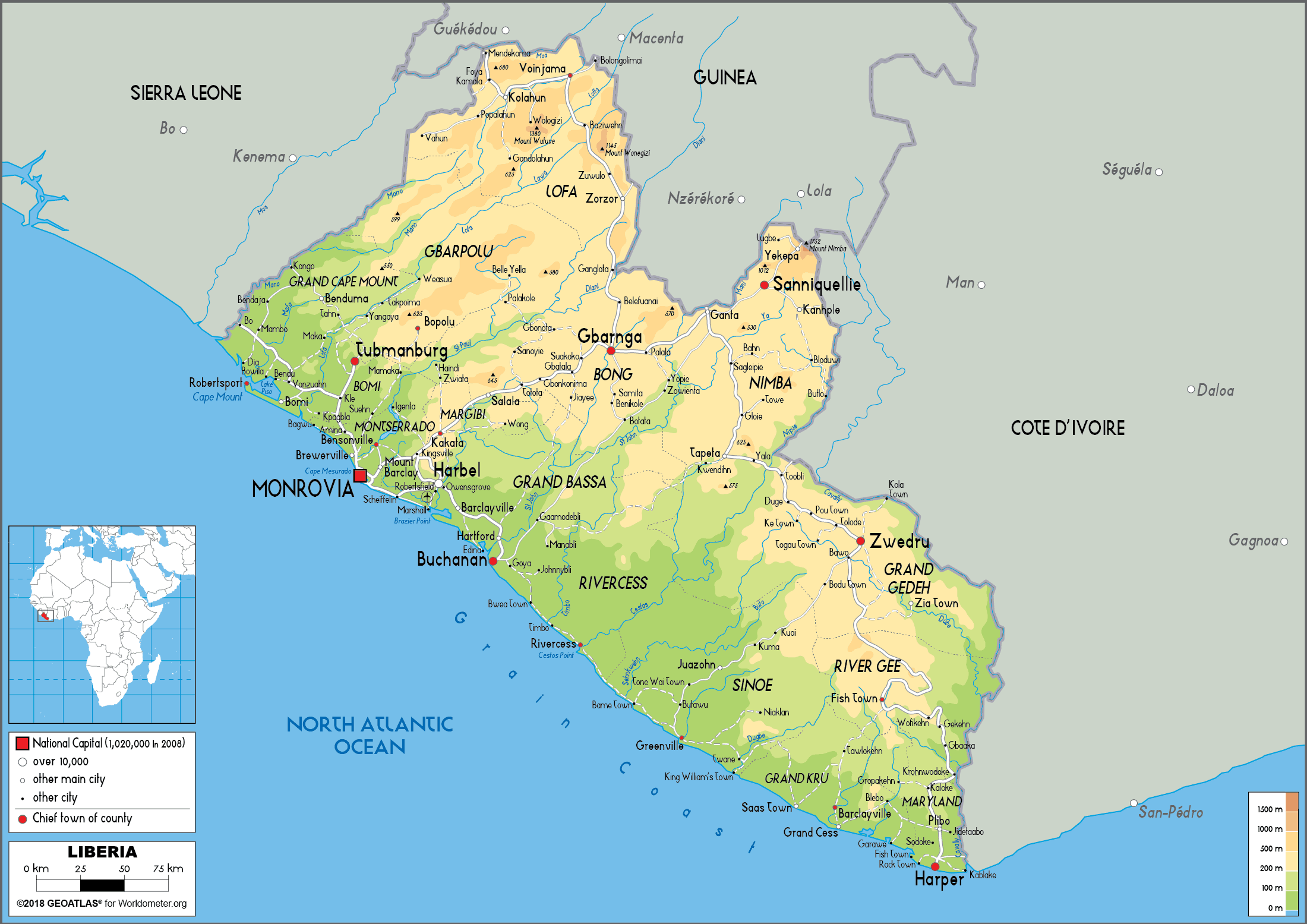
Delivering his 179th Independence Day message in Buchanan, Grand Bassa County, President Joseph N. Boakai said: “The greatest gift we can leave future generations is not only infrastructure or stronger institutions. It is a confident nation that understands itself.”
Those words speak directly to the unfinished task of nation-building confronting Liberia as it approaches two centuries of statehood.
For nearly 200 years, Liberia has endured political turmoil, civil conflict, economic hardship and social division. Through these challenges, Liberians have repeatedly chosen peace over violence, democracy over instability and reconciliation over revenge.
That resilience remains one of the country’s greatest strengths. But resilience alone cannot build roads, educate children, provide healthcare, create jobs or restore public confidence in national institutions.
Liberia’s future requires more than survival. It demands purposeful leadership, collective responsibility and an unwavering commitment to national development.
As President Boakai correctly observed, “Nation-building is therefore not simply the work of government. It is the responsibility of every citizen.”
That responsibility extends beyond political leaders. It belongs to civil servants who must reject corruption, lawmakers who must place the national interest above personal and partisan considerations, young people who must become agents of positive change, and citizens who must actively participate in shaping their country’s future.
At 179, Liberia must confront difficult but necessary questions: Are we building a country future generations will be proud to inherit? Are our natural resources improving the lives of ordinary Liberians? Are we investing adequately in education, healthcare, agriculture and youth empowerment? Have we done enough to preserve our history while preparing for tomorrow’s challenges?
These questions cannot remain unanswered.
Liberia’s Independence Day celebration comes as the country battles drug trafficking, unemployment, inadequate infrastructure, limited rural healthcare and growing demands for transparency and accountability. These challenges must be central to any meaningful conversation about the nation’s future.
Liberia’s greatest resource is not its minerals, forests, rivers or coastline. It is its people. Investing in Liberians must therefore become the foundation of every national development program.
Liberia cannot continue to be a country rich in resources and potential but poor in opportunities for its people. Development must become visible not only in government plans and policy documents, but in the daily lives of citizens across all 15 counties.
The future Liberia deserves will not build itself. The work must begin now.
