By Socrates Smythe Saywon | Smart News Liberia
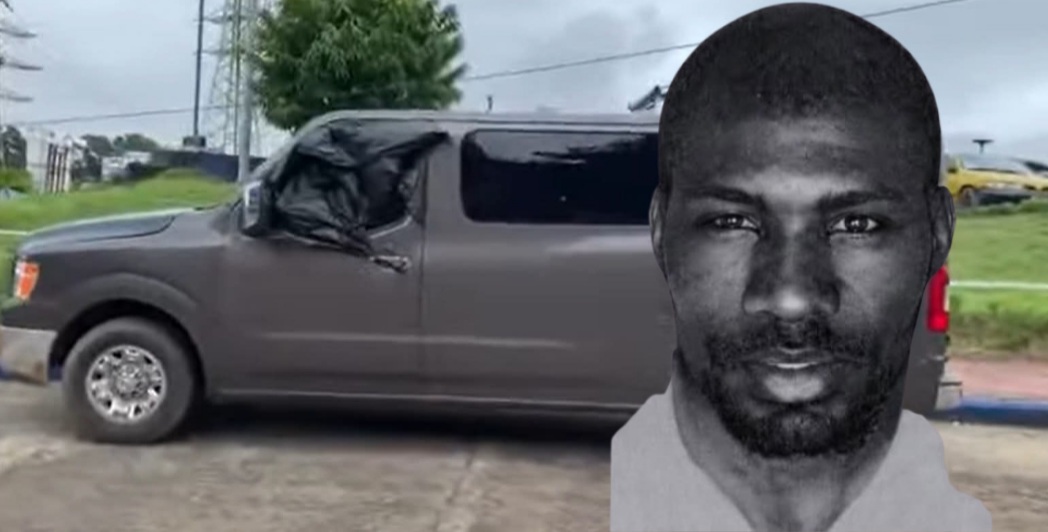
MONROVIA – The mystery surrounding the ownership of a grey Nissan NV350 reportedly used to transport part of the nearly four-tonne cocaine shipment seized in Liberia has taken a new turn, with documents reviewed by activist and investigative writer Martin K. N. Kollie allegedly identifying Enzo Taylor as the registered owner of the vehicle.
The development could add another potentially significant lead to an investigation into Liberia’s largest recorded cocaine seizure, after security forces intercepted 3,971 kilograms of cocaine estimated at approximately US$317 million in Duazon, Margibi County, on July 21, 2026.
The seizure, described by police as one of Liberia’s largest drug busts, resulted in the detention of foreign nationals and intensified questions about the local logistics, financing and networks that enabled such a massive consignment to enter and move through the country.
According to Kollie, the grey Nissan NV350 mini bus remains at the headquarters of the Liberia National Police in Monrovia. He claims investigators had yet to publicly establish the vehicle’s registered ownership.
Kollie, however, says his independent review of the vehicle’s license plate and registration records has produced a possible answer.
The vehicle reportedly carries license plate B1B0054, and the registration document cited by Kollie identifies Enzo Taylor, an individual reportedly residing along the Roberts International Airport Highway in District #6, Montserrado County, as the registered owner.
The document allegedly lists the vehicle as a private Category B vehicle with a capacity designation of B1 mini bus. It identifies the manufacturer as Nissan, the model as NV350 and the color as grey.
The registration record, according to Kollie, shows that the vehicle was registered on May 28, 2026, less than two months before the July 21 cocaine seizure.
That timing is likely to attract investigators’ attention if the document and the vehicle’s connection to the drug shipment are independently authenticated.
Registration Trail Raises Questions
The reported registration details create a potentially important investigative trail.
The vehicle’s registration date, ownership information, chassis number and license plate could allow investigators to determine when the van was purchased, who paid for it, who operated it and whether it was ever transferred, leased or placed under another person’s control.
Liberia’s Ministry of Transport has increasingly moved vehicle registration into a centralized digital system intended to improve transparency, accountability and revenue assurance. The ministry says its Automated Driver License and Vehicle Registration System is designed to centrally manage vehicle and driver-related information.
That system could become particularly important in tracing vehicles allegedly connected to organized criminal activity.
The Ministry of Transport has also previously warned that vehicle registration and ownership records are critical to enforcement and security, noting that authorities can require motorists to produce valid registration documents and other records during compliance operations.
If the documents cited by Kollie are genuine and correspond to the van seized by law enforcement, investigators could potentially use the registration trail as one component of a broader effort to establish who controlled the vehicle and how it came to be associated with the cocaine shipment.
Serious Allegations Require Independent Verification
Kollie goes further, alleging that Taylor may be connected to a wider drug-trafficking network and calling for his arrest.
Those allegations, however, have not been independently established in the information reviewed for this report.
Being listed as the registered owner of a vehicle allegedly used in transporting narcotics does not, by itself, establish that the registered owner knowingly participated in drug trafficking. Investigators would need to establish possession, control, knowledge and intent before criminal responsibility could properly be attributed.
The claim that the individual named in the registration document is part of a larger cartel therefore remains an allegation requiring evidence and official investigation.
Kollie also suggests that the name appearing on the registration document could potentially be a cover identity and raises questions about another individual allegedly associated with contact information contained in the document. Those claims likewise require verification by competent authorities.
Pressure Mounts On Security Agencies
The controversy comes amid mounting scrutiny of Liberia’s security institutions following a series of major cocaine seizures.
The July 21 operation uncovered 3,971 kilograms of cocaine with an estimated value of about US$317 million, according to Liberia’s police leadership. Two foreign nationals were also reported arrested in connection with the operation.
The scale of the seizure has raised broader questions about how such a massive shipment could reach Liberia, where it was stored, who financed the operation, how it was transported and whether local actors facilitated its movement.
Those questions go beyond identifying the owner of a single vehicle.
Investigators must establish the entire logistics chain, from the source of the cocaine and its entry point into Liberia to the warehouses, vehicles, handlers, financiers and intended destination.
The grey Nissan NV350 could therefore become more than a vehicle in an evidence yard if investigators establish that it played a role in the transportation of the drugs.
What Investigators Must Establish
The central question now is not simply who is listed on the registration document.
Investigators must determine whether the registered owner actually possessed or controlled the van at the time it was allegedly used in connection with the cocaine shipment.
They must also establish who was driving the vehicle, where it traveled, who loaded or unloaded it, whether surveillance footage captured its movements and whether telecommunications, financial or other forensic evidence connects its occupants to the wider operation.
Most importantly, authorities must determine whether the vehicle was knowingly used as part of a criminal enterprise.
The registration document could provide investigators with a starting point, but it cannot substitute for a criminal investigation.
The Liberia National Police, Liberia Drug Enforcement Agency and other members of the Joint Security are therefore under increasing pressure to explain what they know about the vehicle and whether the person identified in the registration record has been questioned.
A Larger Test For Liberia
The cocaine seizure has become a major test of Liberia’s ability to dismantle sophisticated transnational drug networks.
The country has already recorded another major cocaine seizure at Roberts International Airport in June, when authorities intercepted approximately 237.6 kilograms of cocaine. The July seizure was dramatically larger, underscoring the scale of the trafficking threat confronting Liberia.
If the grey van can be conclusively linked to the movement of the US$317 million shipment, its registration trail could become an important piece of the larger investigation.
But the public deserves more than allegations.
It deserves evidence, arrests where evidence supports them, transparent investigations and prosecutions that withstand judicial scrutiny.
For now, the alleged identification of Enzo Taylor as the registered owner of the grey Nissan NV350 represents a potentially significant investigative lead, not proof that he participated in drug trafficking.
The next step rests with investigators.
They must establish whether the registration document accurately identifies the vehicle’s owner, whether the vehicle was used in the transportation of the cocaine and, ultimately, who organized and financed one of the largest narcotics operations ever uncovered in Liberia.
See more Liberia News Network stories in Google Search by adding LNN as one of your Preferred Sources.
★ Add LNN as a Preferred Source