SAMA Mineral Holdings Incorporated (SMHI) has welcomed the Government of Liberia’s latest reforms in the mineral sector, saying stronger gold traceability, transparent licensing and predictable regulation could attract responsible investment, formalize artisanal mining and increase the economic benefits generated from Liberia’s mineral wealth.
The company’s endorsement follows the Ministry of Mines and Energy’s launch of a Gold Traceability and Capacity-Building Training Program targeting licensed gold dealers, regional mining officers, artisanal and small-scale miners, cooperatives and other stakeholders in the mineral value chain.
The initiative is part of the government’s broader effort to improve transparency and accountability in Liberia’s gold trade. The Ministry has introduced mandatory Gold Traceability Vouchers for licensed Class B and C miners, dealers and brokers, with the new system scheduled to take effect October 1, 2026.
SAMA said the reforms could strengthen documentation, digital traceability and oversight of gold from production sites through aggregation, domestic trading and export.
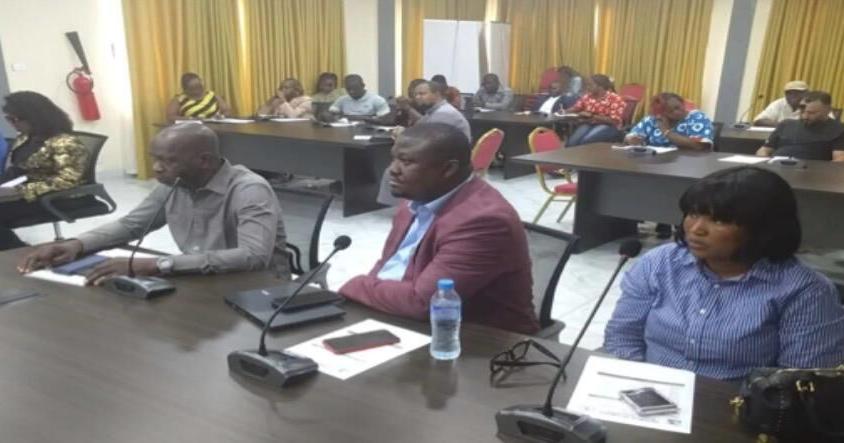
Speaking during a gathering of mineral-sector stakeholders hosted by the Ministry, SAMA Chief Executive Officer Minepakai Dumoe said Liberia needs a regulatory system that not only enforces compliance but also creates a predictable environment for legitimate businesses to invest and expand.
Dumoe called for stronger coordination among licensed dealers, mining cooperatives and other stakeholders, arguing that improved cooperation could address longstanding challenges while encouraging more operators to participate in the formal mineral economy.
He particularly advocated a devolved and responsive licensing regime, saying decentralizing appropriate regulatory services could reduce administrative bottlenecks and make government services more accessible to operators outside Monrovia.
According to Dumoe, regulatory reform should create incentives for compliance rather than focus solely on punishment.
He described the Ministry’s ongoing initiatives as “farsighted reforms,” particularly efforts to simplify the acquisition and renewal of mining licenses while strengthening government-industry engagement.
The SAMA CEO also stressed the importance of traceability in combating illicit mineral flows, under-declaration and revenue leakages.
Liberia’s new traceability framework requires gold transactions to be documented through official vouchers, which must be retained by miners, dealers and brokers. Dealers seeking to export gold will also be required to submit the vouchers as part of their export documentation, while completed vouchers will be required during certain license-renewal processes.
For SAMA, the system could help establish a credible chain of custody, allowing authorities and legitimate market participants to determine where gold originates, who produces it and how it moves through the supply chain.
The company said this is increasingly important as international markets demand greater assurance that minerals are legally produced and responsibly sourced.
However, SAMA cautioned that formalization must go beyond enforcement. Artisanal and small-scale miners, it said, need easier access to licenses, technical assistance, financing, market information and fair-trading opportunities.
Assistant Minister for Mines Sumo Momolu described the government’s mineral-sector reform agenda as a “work in progress,” saying the measures are intended to improve Liberia’s business climate and strengthen legal mineral trading.
Momolu said the traceability initiative would help reduce illegal trading and improve government and industry capacity to monitor mineral movements.
He also emphasized the need to protect licensed operators from being undermined by illegal miners and traders.
Momolu welcomed Dumoe’s proposal for stronger coordination among mining cooperatives, noting that better organization could increase their collective bargaining power in the mineral marketplace.
The reforms come against Liberia’s long history as a mineral-producing country, where iron ore, gold and diamonds have played a major role in the economy. The country joined the Extractive Industries Transparency Initiative in 2008 as part of efforts to strengthen transparency and accountability in natural-resource governance.
SAMA said the central issue now is not simply how much gold Liberia produces, but where it comes from, who produces it, how it is traded, whether transactions are documented, whether government receives the revenues due to it, and whether communities benefit from the resources extracted from their areas.
The company said sustained collaboration among government, licensed dealers, cooperatives, civil society and development partners will be critical to ensuring that the reforms produce measurable results.
SAMA believes that combining effective traceability with predictable licensing and credible enforcement could help transform Liberia’s mineral sector into a more transparent, responsible and investment-ready engine of economic growth.
See more Liberia News Network stories in Google Search by adding LNN as one of your Preferred Sources.
★ Add LNN as a Preferred Source